
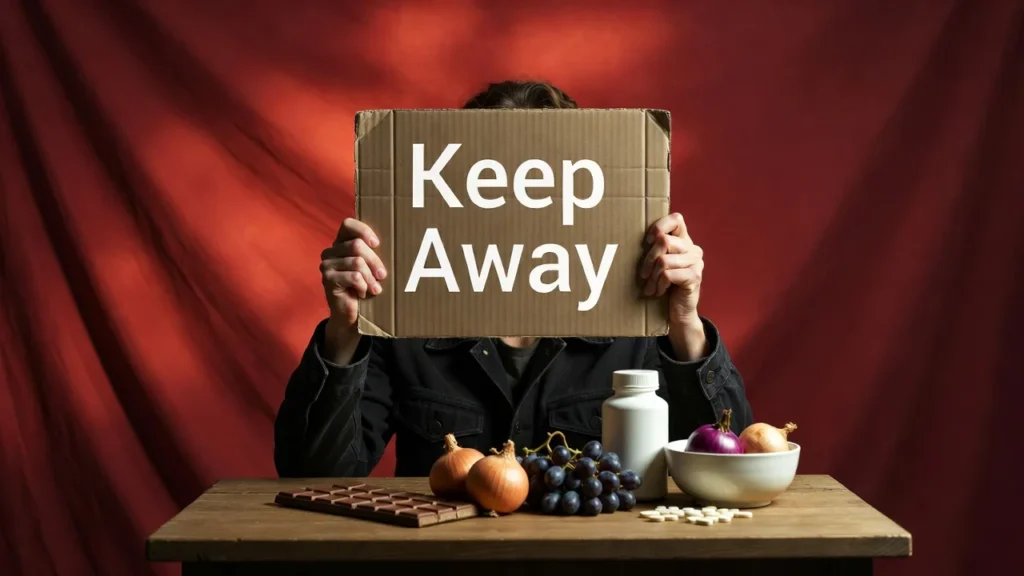
Every dog owner has experienced that moment. You are eating something in the kitchen, your dog appears at your feet with those impossibly hopeful eyes, and the temptation to share just a small piece of whatever you are enjoying feels completely harmless. Sometimes sharing a bite truly is harmless. But sometimes, even a single small amount of the wrong food can send your dog to the emergency veterinarian, cause permanent organ damage, or in the most serious cases, be fatal.
Knowing exactly which foods dogs cannot eat is not optional knowledge for a responsible dog owner. It is one of the most fundamentally important things you need to have memorized and kept front of mind every single day, especially when cooking, eating, entertaining guests, or leaving food within reach of a curious and opportunistic nose.
This complete guide covers every major food that dogs cannot eat, explains precisely why each one is dangerous, describes the symptoms to watch for if your dog has eaten something toxic, tells you exactly what to do in an emergency, and finishes with a practical list of safe food alternatives you can confidently share with your dog. Save this guide, share it with your family, and refer back to it any time you are unsure about whether something in your kitchen is safe for your dog.
Why Some Human Foods Are Toxic to Dogs
Before diving into the specific list, it helps enormously to understand why foods that are completely safe for humans can be seriously dangerous or even fatal to dogs. The answer lies in the fundamental biological differences between the human and canine digestive systems, metabolic processes, and enzymatic makeup.
Dogs metabolize certain compounds at dramatically different rates than humans. A substance that a human body processes and eliminates efficiently before it reaches a toxic concentration can accumulate in a dog’s system to dangerous or fatal levels. Dogs also lack certain enzymes that humans produce naturally, which means some compounds that humans break down without harm remain in a dog’s body as active toxins that damage organs, disrupt blood cell function, or interfere with critical metabolic processes.
Body size compounds this further. A small dog weighing five to ten pounds may be fatally affected by an amount of a toxic food that would cause only mild discomfort in a larger dog. This is why foods like sugar-free gum containing xylitol, which might cause relatively minor symptoms in a large breed, can be life-threatening for a Chihuahua or Yorkshire Terrier after just one or two pieces.
Understanding these mechanisms helps explain why the foods in this guide are not just mildly unadvisable but genuinely dangerous and why the no exceptions rule must apply to all of them regardless of how harmless a small amount might seem.
Category One: Immediately Life-Threatening Foods Dogs Cannot Eat
These are the foods that pose the highest and most immediate danger to dogs. Even small amounts of these items require urgent veterinary attention. There is no safe threshold for any of them.
Chocolate
Chocolate is one of the most widely known toxic foods for dogs, and for good reason. All forms of chocolate contain theobromine, a stimulant compound that dogs metabolize significantly more slowly than humans. As theobromine builds up in a dog’s system it reaches toxic concentrations that affect the heart, the nervous system, and the kidneys simultaneously.
The danger level varies with the type of chocolate. Dark chocolate and baking chocolate contain the highest concentrations of theobromine and are therefore the most dangerous. Milk chocolate contains lower concentrations but is still genuinely toxic in amounts that a dog of any size could realistically consume. White chocolate contains very little theobromine but is still extremely high in fat and sugar, which causes its own serious problems.
Symptoms of chocolate toxicity in dogs appear within 6 to 12 hours of ingestion and include vomiting, diarrhea, restlessness, excessive thirst and urination, muscle tremors, seizures, and cardiac arrhythmia. In severe cases, without emergency veterinary treatment, chocolate toxicity can be fatal. Never give your dog any amount of chocolate under any circumstances, and store all chocolate products in sealed containers well out of reach.
Xylitol
Xylitol is an artificial sweetener found in an alarming range of everyday products including sugar-free chewing gum, sugar-free candy, certain brands of peanut butter, baked goods labeled as sugar-free or diet-friendly, flavored vitamins, toothpaste, mouthwash, and even some brands of yogurt. It is one of the most insidiously dangerous foods dogs cannot eat precisely because it hides in so many products that dog owners use daily without thinking of them as food hazards.
When a dog consumes xylitol, it triggers a massive and rapid release of insulin from the pancreas. This causes a sudden and severe drop in blood sugar levels, known as hypoglycemia, that can develop within 15 to 30 minutes of consumption. Without immediate treatment, xylitol-induced hypoglycemia causes weakness, loss of coordination, collapse, seizures, and potentially fatal liver failure.
Even a single piece of sugar-free gum containing xylitol can be fatal to a small dog. The rule with xylitol is absolute: read the ingredient label on every product you bring into your home and never leave xylitol-containing products in any location your dog can access. When buying peanut butter to use in homemade dog treats, always read the label and confirm xylitol is not present before purchasing.
Symptoms of xylitol poisoning include sudden vomiting, extreme lethargy, loss of balance, trembling, seizures, and yellowing of the skin or whites of the eyes indicating liver damage. If you suspect your dog has consumed any amount of xylitol, this is an immediate emergency requiring urgent veterinary care without delay.
Grapes and Raisins
Grapes and raisins are among the most deceptively dangerous foods dogs cannot eat because they look so innocuous and are so commonly present in kitchens, fruit bowls, lunchboxes, baked goods, cereals, and trail mixes. The toxic compound in grapes and raisins that causes harm in dogs is believed to be tartaric acid, though research into the exact mechanism is ongoing.
What is definitively established is that grapes and raisins cause acute kidney failure in dogs, and the particularly alarming aspect of this toxicity is that there is no established safe dose. Some dogs have experienced severe kidney failure after eating just a few grapes. Others have eaten larger amounts with less immediate reaction. This unpredictability makes it impossible to establish any threshold below which grapes or raisins are safe, which means the only safe approach is zero tolerance.
All grape products are included in this prohibition. Grape juice, wine, raisins in baked goods, grape-flavored products, and dried fruit mixes containing raisins all present the same risk. Symptoms of grape and raisin toxicity include vomiting and diarrhea within the first few hours, followed by lethargy, loss of appetite, abdominal pain, decreased urination, and signs of kidney failure developing over 24 to 72 hours. Early veterinary intervention gives the best chance of preventing permanent kidney damage.
Onions, Garlic, and the Allium Family
The entire Allium family of vegetables is toxic to dogs and includes onions, garlic, leeks, chives, shallots, and scallions in every form: raw, cooked, dried, powdered, and dehydrated. The compounds in Allium vegetables, primarily thiosulfates and N-propyl disulfides, damage red blood cells in dogs by oxidizing and breaking down their structure, leading to a condition called hemolytic anemia where the body destroys its own red blood cells faster than it can produce new ones.
Garlic deserves special emphasis because it is approximately five times more toxic per gram than onion and is present in an enormous number of cooked and processed foods that dog owners might not immediately recognize as containing it. Garlic bread, pasta sauces, gravies, broths, baby food, pizza, seasoning blends, and many commercial food products contain garlic or onion in concentrated powder form.
An additional complication with Allium toxicity is that symptoms are often delayed by one to five days after ingestion, meaning your dog may appear completely normal immediately after eating something containing onion or garlic and then develop serious symptoms days later. Symptoms include pale or white gums, extreme weakness and lethargy, rapid heart rate, reduced appetite, reddish or dark-colored urine indicating red blood cell breakdown, and collapse in severe cases.
Never cook your dog’s food with any member of the Allium family and always check the ingredient lists of any commercial broth, stock, or seasoning you might consider adding to homemade dog food. The bone broth recipe shared in earlier articles on this site is completely Allium-free for exactly this reason.
Macadamia Nuts
Macadamia nuts are uniquely toxic to dogs in a way that scientists do not yet fully understand at a mechanistic level. What is clearly documented is that even relatively small amounts cause a distinctive and distressing set of neurological and muscular symptoms in dogs that can develop within 12 hours of eating them.
Symptoms of macadamia nut toxicity include sudden weakness particularly in the hind legs, inability to stand or walk normally, tremors, elevated body temperature, vomiting, and lethargy. While macadamia toxicity is rarely fatal on its own, the combination of macadamia nuts and chocolate, which commonly appears together in cookies and baked goods, creates a significantly more serious and potentially life-threatening toxicity than either substance alone.
Never give your dog any food containing macadamia nuts and be particularly vigilant with baked goods like cookies, trail mix, and granola bars that frequently combine macadamia nuts with other ingredients.
Raw Yeast Dough
Raw bread dough made with active yeast presents a double danger that makes it one of the most acutely dangerous foods dogs cannot eat. First, raw dough continues to rise and expand inside the warm, moist environment of a dog’s stomach after being swallowed. This expansion causes painful bloating and can lead to gastric dilatation, the dangerous stomach expansion that in severe cases progresses to gastric dilatation-volvulus, a life-threatening condition where the stomach twists on itself and requires emergency surgery.
Second, as yeast ferments the sugars in the dough inside the dog’s stomach, it produces ethanol as a byproduct. This means a dog that eats raw bread dough is simultaneously at risk of stomach rupture and alcohol poisoning. Symptoms develop rapidly and include a visibly distended and painful abdomen, disorientation, vomiting, weakness, and respiratory distress. This is a veterinary emergency requiring immediate attention.
Never leave rising dough unattended on a counter accessible to your dog, and be particularly careful with pizza dough, sourdough starter, and cinnamon roll dough during the proofing process.
Category Two: Seriously Harmful Foods Dogs Cannot Eat
These foods are not immediately fatal in tiny amounts but cause serious harm with moderate consumption and should be kept away from dogs completely.
Alcohol
Dogs process alcohol dramatically more slowly and less efficiently than humans, making even small amounts genuinely dangerous. Their bodies reach toxic alcohol concentrations far more quickly than a human body would from the same amount, and the consequences include central nervous system depression, loss of coordination, vomiting, breathing difficulties, dangerously low blood sugar, low body temperature, coma, and death.
Beyond the obvious sources like beer, wine, and spirits, alcohol is present in more unexpected places including rum cake, tiramisu and other alcohol-infused desserts, and raw bread dough as described above. Never allow your dog access to any alcohol-containing food or beverage.
Caffeine
Caffeine is toxic to dogs for the same reasons as theobromine in chocolate: dogs cannot metabolize methylxanthine compounds efficiently and they accumulate to toxic levels quickly. Coffee, tea, energy drinks, caffeine-containing supplements, and some medications all pose a risk. Even used coffee grounds left in a bin accessible to a dog can cause toxicity. Symptoms include restlessness, rapid breathing, heart palpitations, muscle tremors, and seizures.
Avocado
The skin, pit, and leaves of avocados contain a compound called persin that can cause vomiting and diarrhea in dogs. While the flesh of ripe avocado contains lower concentrations of persin than other parts of the fruit, the high fat content of avocado flesh is a significant concern on its own, as it can trigger pancreatitis in dogs, particularly those with a history of fat intolerance. The avocado pit poses an additional risk of intestinal blockage if swallowed. The safest approach is to keep avocado entirely away from dogs.
Raw Salmon and Uncooked Fish
Raw salmon and some other Pacific Northwest fish species can carry a parasite called Neorickettsia helminthoeca, which causes a potentially fatal condition in dogs known as salmon poisoning disease. This is distinct from the general concern about raw meat and bacteria. Symptoms appear five to seven days after consumption and include severe vomiting, diarrhea, high fever, lethargy, and swollen lymph nodes. Without veterinary treatment, salmon poisoning disease is fatal in the majority of cases. Always cook fish thoroughly before giving it to your dog.
Raw Meat and Eggs
Raw meat and raw eggs can carry Salmonella, E. coli, Listeria, and other harmful bacteria that cause serious gastrointestinal illness in dogs and can also be transmitted to humans handling contaminated food or cleaning up after a sick dog. Raw eggs additionally contain an enzyme called avidin that interferes with the absorption of biotin, a B vitamin essential for healthy skin, coat, and metabolism. Cooking meat and eggs thoroughly eliminates these risks entirely.
Cooked Bones
While raw bones used for bone broth or appropriate recreational chewing serve legitimate purposes when used correctly, cooked bones of any kind are a serious hazard for dogs. The cooking process makes bones brittle and prone to splintering when chewed. These sharp splinters can lacerate the mouth, throat, esophagus, stomach, and intestinal wall, cause life-threatening internal punctures, or create blockages requiring emergency surgery. Dispose of all cooked bones immediately after meals and never give your dog a cooked bone regardless of its size.
Corn on the Cob
Plain corn kernels removed from the cob are not harmful to dogs in small amounts, but the corn cob itself is one of the most common causes of intestinal obstruction in dogs requiring emergency surgery. Corn cobs are not digestible at all and a dog that swallows a piece of corn cob, even a small one, can develop a complete intestinal blockage within hours. Symptoms include repeated vomiting, loss of appetite, abdominal pain, and inability to defecate. If you suspect your dog has eaten corn cob, treat it as an emergency.
Excessive Salt
While small amounts of sodium are a normal part of a balanced diet for dogs, excessive salt intake is genuinely dangerous. High sodium consumption in dogs disrupts the balance of fluids in cells and tissues, causing a condition called hypernatremia or salt poisoning. Symptoms include excessive thirst and urination, vomiting, diarrhea, tremors, elevated body temperature, and in severe cases, seizures and death. Salty snacks like potato chips, pretzels, popcorn with salt, and cured meats should never be given to dogs.
Nutmeg
Nutmeg contains a compound called myristicin that is toxic to dogs in amounts larger than a tiny pinch. Baked goods containing significant amounts of nutmeg, including certain pumpkin pies, eggnog, and spiced cookies, can cause hallucinations, disorientation, increased heart rate, high blood pressure, abdominal pain, and seizures in dogs. This is another reason why sharing holiday baked goods with dogs is almost never as harmless as it might seem.
Fruit Pits and Apple Seeds
The pits of cherries, peaches, plums, and apricots and the seeds of apples contain amygdalin, a compound that converts to hydrogen cyanide when metabolized. While the risk from a single apple seed is low, a dog that regularly consumes apple cores or chews on stone fruit pits is accumulating cyanide compounds over time. Always remove seeds before giving apple slices to your dog, and keep stone fruits securely stored away from access.
Hidden Sources of Toxic Foods to Watch For
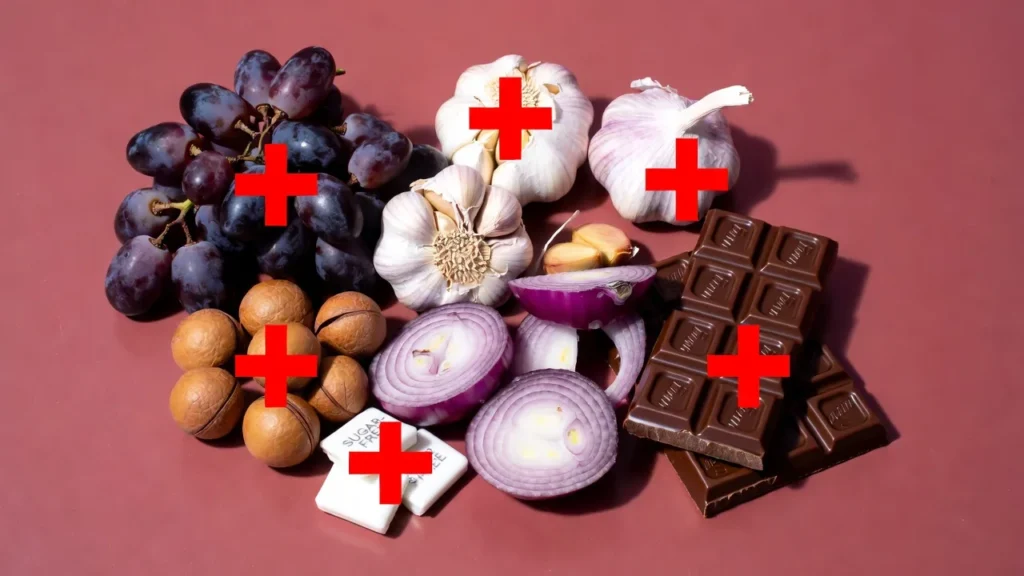
Many of the foods dogs cannot eat hide in processed and packaged products that dog owners would not immediately identify as dangerous. These hidden sources are responsible for a significant number of accidental poisonings every year.
Onion and garlic powder appear in countless seasoning blends, marinades, sauces, gravies, baby food, commercial broths, bouillon cubes, and even some flavored rice and pasta products. Always read ingredient lists before using any seasoning or prepared sauce near your dog’s food.
Xylitol appears in sugar-free gums and candies, certain brands of peanut butter, protein bars, flavored water enhancers, chewable vitamins, children’s medications, mouthwash, and toothpaste. The xylitol check before buying any peanut butter is an absolute non-negotiable rule for dog owners who use peanut butter in homemade treats.
Raisins appear in granola, trail mix, cereals, oatmeal cookies, fruitcake, mince pies, and many commercially prepared baked goods where they are not always prominently featured in the product name.
Alcohol appears in rum cake, tiramisu, wine-poached fruits, beer bread, and some savory sauces and reductions used in cooking.
Chocolate appears in protein bars, coffee drinks, some breakfast cereals, flavored granola, and a wide variety of baked goods where it might not be the main-featured ingredient.
What to Do If Your Dog Eats a Toxic Food
Speed is the most important factor in managing food toxicity in dogs. The faster you act, the better the outcome in almost every case. Here is exactly what to do if you know or suspect your dog has eaten something from the toxic foods list.
Do not wait for symptoms to appear before seeking help. Some toxins, particularly xylitol and grapes, cause symptoms relatively quickly, but others like Allium vegetables cause delayed reactions of one to five days. Waiting to see if your dog shows symptoms before calling a vet means losing the window of time when intervention is most effective.
Note what your dog ate, how much they ate, and when they ate it. This information is critical for the veterinarian assessing the level of risk and determining the appropriate treatment. If possible, keep the packaging of the product your dog consumed to show your vet.
Call your veterinarian immediately. If your regular veterinarian is unavailable, call an emergency veterinary clinic. You can also call the ASPCA Animal Poison Control Center at 888-426-4435, which operates 24 hours a day and has veterinary toxicologists available at all times. Note that a consultation fee may apply for this service.
Never induce vomiting at home without explicit instruction from a veterinarian. Some toxins cause more damage on the way back up than they did going down, and inducing vomiting incorrectly can create additional risks. Let the veterinary professional guide you on whether inducing vomiting is appropriate for the specific substance your dog consumed.
Safe Alternatives: What You Can Share With Your Dog
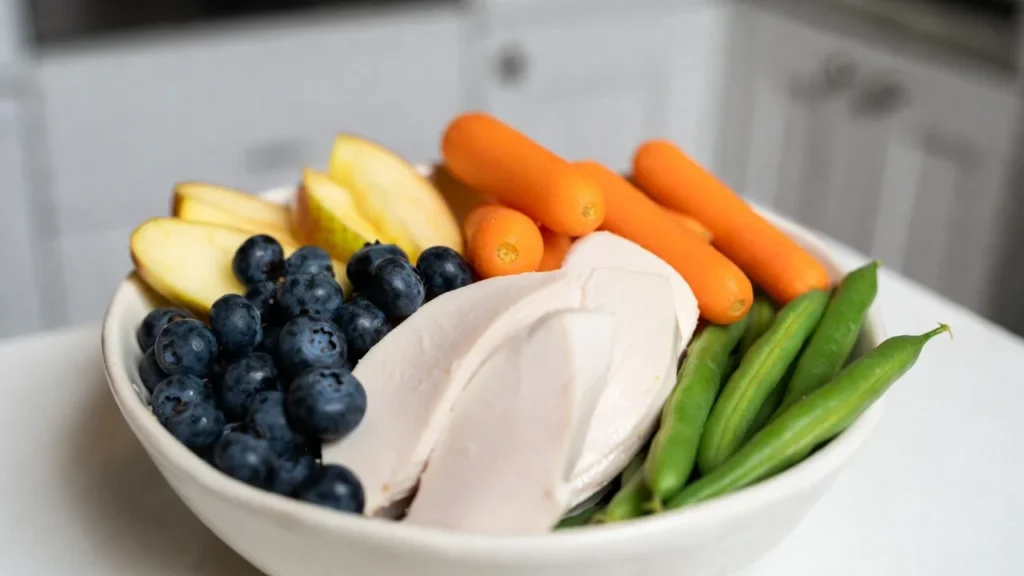
Knowing which foods dogs cannot eat is only half of the picture. The other half is knowing what you can confidently and safely share with your dog when they look up at you with those irresistible eyes during snack time.
Plain cooked chicken breast, turkey breast, salmon, or white fish with no seasoning, no garlic, and no onion are excellent protein-based treats that dogs love and that provide genuine nutritional value.
Fresh fruits including sliced apple without the seeds or core, blueberries, watermelon without the rind or seeds, banana in small amounts, and mango without the pit are all safe and nutritious treats most dogs enjoy enthusiastically.
Vegetables including plain baby carrots, steamed broccoli in small portions, cucumber slices, steamed green beans, plain cooked sweet potato, and peas are all safe, low-calorie, and nutritionally valuable treats.
Plain cooked eggs, plain unsweetened yogurt with live cultures and no xylitol, and natural peanut butter confirmed xylitol-free are all safe in appropriate portions.
Plain cooked white or brown rice, plain oats, and plain air-popped popcorn with no salt, butter, or flavoring are safe carbohydrate-based treats in small amounts.
Final Thoughts – Foods Dogs Cannot Eat
The list of foods dogs cannot eat is longer and more surprising than most dog owners initially expect, and the consequences of feeding the wrong thing can be severe enough to permanently affect your dog’s health or cut their life short. Building the habit of checking before sharing, reading labels before cooking, and storing toxic foods securely out of reach are simple practices that protect your dog every single day.
Print this guide and stick it somewhere visible in your kitchen. Share it with everyone in your household including children and frequent visitors who might offer your dog food without realizing the risk. And when you are in doubt about whether something is safe, the answer is always to check first and share later.
Your dog trusts you completely with every aspect of their wellbeing. The knowledge in this guide is one of the most direct and powerful ways to honor that trust every day.