

Watch a dog with arthritis struggle to rise from their bed in the morning and you understand immediately why joint health is one of the most emotionally significant health issues in the dog-owning world. The stiffness, the hesitation before stairs, the reluctance to jump into the car that used to be effortless, and the visible discomfort that replaces the easy, fluid movement of a younger dog are among the most heartbreaking things a devoted dog owner witnesses. And yet, inflammation, the biological mechanism driving the vast majority of joint pain and mobility loss in dogs, is one of the areas of canine health most directly and powerfully influenced by diet.
Anti-inflammatory dog food is not a marketing concept. It is a scientifically grounded nutritional approach that uses specific whole-food ingredients with documented anti-inflammatory properties to reduce the chronic systemic inflammation that damages joint cartilage, sensitizes pain receptors, and accelerates the progression of conditions like osteoarthritis in dogs. The ingredients and recipes in this guide do not replace veterinary medical management of joint disease. But used consistently alongside veterinary care, they provide genuine, meaningful nutritional support that many dog owners report produces visible improvements in their dog’s comfort and mobility within four to six weeks of consistent implementation.
This complete guide covers everything you need to know. You will learn exactly how inflammation drives joint disease in dogs, which nutrients and foods have the strongest anti-inflammatory evidence, the ten most powerful anti-inflammatory ingredients for your dog’s bowl, how to make the celebrated turmeric golden paste for dogs, two complete step-by-step recipes, portion and feeding guidelines, supplement recommendations, and how to combine dietary management with lifestyle adjustments for maximum joint health support.
How Inflammation Drives Joint Disease in Dogs
To understand why anti-inflammatory dog food works, you first need to understand the mechanism of inflammatory joint disease in dogs. Osteoarthritis, the most common joint condition in dogs affecting an estimated 20 percent of dogs over one year of age and up to 80 percent of dogs over eight years, is fundamentally an inflammatory disease. It begins with damage to the smooth cartilage that covers the articulating surfaces of joints, most commonly in the hips, elbows, knees, and spine.
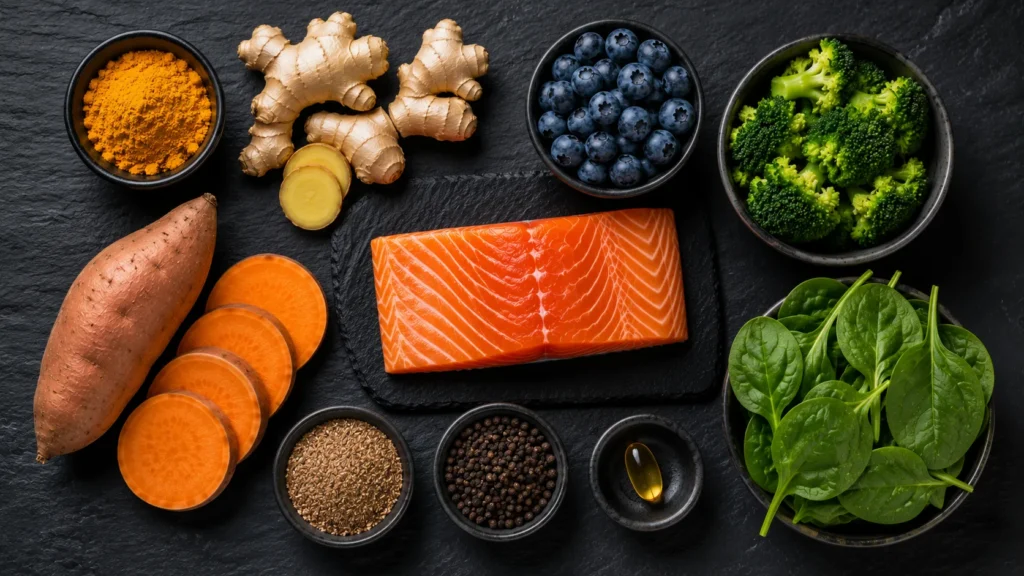
Switching to an anti-inflammatory dog food strategy helps reduce oxidative stress and soothe aching joints before permanent damage occurs.
When cartilage is damaged, the immune system mounts an inflammatory response intended to initiate repair. Inflammatory molecules called cytokines flood the joint space, activating pain receptors and triggering further tissue breakdown in a self-reinforcing cycle. The synovial membrane lining the joint becomes inflamed and thickened, producing excessive joint fluid that causes swelling and pressure. The underlying bone responds to the loss of cartilage cushioning by forming bony outgrowths called osteophytes that restrict movement and cause pain.
Chronic systemic inflammation, the kind driven by diet, excess body weight, gut dysbiosis, and environmental factors, accelerates every step of this process. A dog whose body is in a state of chronic low-grade inflammatory activation due to a pro-inflammatory diet has measurably worse joint disease progression, more severe pain, and poorer quality of life than a dog of identical age and joint condition whose systemic inflammation is well-managed through nutrition and lifestyle.
Anti-inflammatory dog food addresses this mechanism at its root by reducing the systemic inflammatory burden through specific dietary compounds, supporting the gut microbiome that regulates systemic immune activation, providing the raw nutritional materials for cartilage maintenance and repair, and supporting a healthy body weight that reduces the mechanical load on damaged joints with every step the dog takes.
The Ten Most Powerful Anti-Inflammatory Ingredients for Dogs
Salmon and Oily Fish
Salmon is the cornerstone ingredient of any serious anti-inflammatory dog food plan and the single most impactful food change you can make for a dog with joint disease. The omega-3 fatty acids EPA and DHA found in oily fish have decades of research behind their anti-inflammatory effects, specifically their ability to compete with pro-inflammatory omega-6 fatty acids for the enzymes that produce inflammatory signaling molecules. When EPA and DHA are present in adequate amounts in the diet, the body produces less of the most potently inflammatory cytokines and more of the anti-inflammatory resolvins and protectins that actively resolve inflammation rather than simply reducing it.
For dogs with arthritis or chronic joint inflammation, consistent daily consumption of salmon or supplemental fish oil providing meaningful amounts of EPA and DHA is one of the most evidence-supported nutritional interventions available. The effect is not immediate but builds over four to eight weeks of consistent supplementation as the fatty acid composition of cell membranes throughout the body gradually shifts toward a less inflammatory profile.
Turmeric with Black Pepper
Turmeric is the most widely discussed anti-inflammatory herb in the dog nutrition world and its reputation is earned. The active compound in turmeric, curcumin, has been studied extensively for its ability to inhibit multiple inflammatory pathways simultaneously, including the NF-kB pathway that controls the production of many of the most destructive pro-inflammatory cytokines involved in joint disease. Curcumin has documented anti-inflammatory action and a 2025 study published in Veterinary Sciences found that curcumin combined with black pepper provides enhanced bioavailability that significantly improves its effectiveness. Chewy
The critical detail about turmeric is that curcumin is very poorly absorbed on its own. Two additions dramatically increase its bioavailability: black pepper, which contains piperine that enhances curcumin absorption by up to 2000 percent, and a small amount of healthy fat, since curcumin is fat-soluble and absorbs far more readily in the presence of dietary fat. The turmeric golden paste recipe later in this guide combines turmeric, black pepper, and coconut oil in the precise way that maximizes curcumin bioavailability and makes turmeric a genuinely effective anti-inflammatory addition to any dog’s bowl.
Blueberries
Blueberries provide anthocyanins, quercetin, and resveratrol, three of the most potent plant-based anti-inflammatory and antioxidant compounds available through food. These compounds inhibit the production of inflammatory cytokines, protect joint tissue from oxidative damage, and support the vascular health that ensures adequate blood flow and nutrient delivery to joint structures. Blueberries are among the antioxidant-rich foods with natural anti-inflammatory properties that support joint health and mobility in dogs. Their small size makes them immediately usable as a daily food addition without any preparation. Balance It
Broccoli and Broccoli Sprouts
Broccoli contains sulforaphane, a compound that activates the Nrf2 pathway, one of the body’s most powerful endogenous anti-inflammatory and antioxidant defense mechanisms. When Nrf2 is activated by sulforaphane, it triggers the production of protective enzymes throughout the body that neutralize inflammatory free radicals and reduce the tissue damage associated with chronic inflammation. Broccoli is among the antioxidant-rich foods known for their anti-inflammatory properties that can be added to homemade dog meals to support joint health. Broccoli sprouts contain up to 100 times more sulforaphane per gram than mature broccoli and are an excellent and inexpensive addition to an anti-inflammatory dog food routine when available. Balance It
Ginger
Fresh ginger root contains gingerols and shogaols, bioactive compounds with documented anti-inflammatory and analgesic properties that work through mechanisms similar to non-steroidal anti-inflammatory drugs but without the gastrointestinal side effects associated with long-term NSAID use in dogs. Ginger specifically inhibits the COX-2 enzyme, one of the primary producers of prostaglandins that sensitize pain receptors in inflamed joints. A small amount of freshly grated ginger root added to each meal provides consistent anti-inflammatory support in a completely natural form. Use ginger in small amounts, starting with a quarter teaspoon for medium-sized dogs, as large amounts can cause digestive upset.
Ground Flaxseed
Ground flaxseed provides alpha-linolenic acid, a plant-based omega-3 fatty acid that the body can partially convert to EPA, contributing to the omega-3 anti-inflammatory support provided by fish oil. It also provides lignans, plant compounds with significant antioxidant and anti-inflammatory properties, and soluble fiber that supports the gut microbiome health that regulates systemic immune function and inflammation. Ground flaxseed must be used rather than whole flaxseed, as the outer shell of whole seeds passes through the digestive system undigested, making their nutritional content unavailable. Flaxseed provides omega-3 fatty acids with potent anti-inflammatory effects that reduce joint inflammation and promote overall joint health, alongside dietary fiber and lignans with antioxidant properties. dogIDs
Sweet Potato
Sweet potato provides beta-carotene, vitamin C, and manganese, all of which contribute to anti-inflammatory and antioxidant activity in the body. Its low glycemic index relative to white potato or white rice means it produces a gentler post-meal blood glucose response, which is important because high blood glucose spikes trigger inflammatory signaling through the production of advanced glycation end products that damage joint cartilage. Low-glycemic carbohydrate sources like sweet potato produce less inflammatory insulin response than high-glycemic options like white rice or corn, making them preferred choices in anti-inflammatory dog food recipes. Chewy
Spinach
Spinach provides vitamin K, which plays a direct role in reducing inflammatory markers in the body, alongside iron, folate, and the antioxidants lutein and zeaxanthin. Its chlorophyll content also contributes mild anti-inflammatory support. Steam spinach before serving to reduce oxalate content and maximize digestibility.
Bone Broth Made Without Onion or Garlic
Homemade bone broth, as detailed in Article #5 of this site, provides naturally occurring glucosamine, chondroitin, and hyaluronic acid from the collagen-rich connective tissue and cartilage that releases into the broth during the long slow simmering process. These compounds directly support cartilage maintenance and joint lubrication in ways that meaningfully benefit dogs with arthritis or early joint degeneration. The glycine in bone broth also provides specific anti-inflammatory support for the gut lining, reducing the gut permeability that drives systemic inflammation.
Coconut Oil
Coconut oil contains medium-chain triglycerides including lauric acid that exhibit anti-inflammatory properties and support the fat-soluble absorption of turmeric’s curcumin when combined in the golden paste recipe. Use coconut oil in small amounts as a cooking and supplementation fat rather than as a primary dietary fat, as its saturated fat content means generous amounts add significant caloric density to the diet. A small amount used specifically in the golden paste formulation is the most targeted and effective application for anti-inflammatory purposes.
How to Make Turmeric Golden Paste for Dogs
Turmeric golden paste is one of the most practically effective preparations for delivering bioavailable curcumin to a dog with joint inflammation on a daily basis. It can be made in a large batch, stored in the refrigerator for up to two weeks, and added in a small amount to each meal with minimal effort.
The golden paste recipe combines turmeric powder, water, coconut oil, and freshly ground black pepper into a thick paste that dramatically improves curcumin bioavailability compared to adding turmeric powder alone. Chewy
Golden Paste Ingredients:
- Half a cup of high-quality ground turmeric powder
- 1 cup of plain filtered water
- Quarter cup of virgin coconut oil
- 1 and a half teaspoons of freshly ground black pepper
Golden Paste Instructions:
Combine the turmeric powder and water in a small saucepan over low to medium low heat. Stir continuously as the mixture heats, preventing any sticking to the bottom of the pan. Cook for 7 to 10 minutes, stirring constantly, until the mixture thickens to a smooth, dense paste consistency. If the mixture becomes too thick and difficult to stir before the cooking time is complete, add one additional tablespoon of water at a time until workable again.
Remove from heat and allow to cool for five minutes. Add the coconut oil and freshly ground black pepper while the paste is still warm enough to melt the coconut oil, and stir thoroughly until all three additions are completely and evenly incorporated into the paste. The finished golden paste should be a deep, vibrant yellow-orange color, smooth in texture, and aromatic.
Transfer to a small glass jar with a tight-fitting lid and refrigerate immediately. The golden paste keeps for up to two weeks when refrigerated in a sealed glass container. If the surface develops any mold or the paste develops an off smell before two weeks, discard and make a fresh batch.
Daily Golden Paste Serving Amounts:
Small dogs under 10 pounds: a quarter teaspoon per day. Dogs 10 to 20 pounds: half a teaspoon per day. Dogs 20 to 50 pounds: three quarters of a teaspoon to one teaspoon per day. Dogs 50 to 80 pounds: one to one and a half teaspoons per day. Dogs over 80 pounds: one and a half to two teaspoons per day.
Add the golden paste fresh to your dog’s meal at mealtime by stirring it through the food rather than mixing it into a bulk batch. This ensures each meal receives a consistent, accurately measured dose and prevents the paste from oxidizing or losing potency during bulk storage with the food.
Introduce golden paste gradually over one to two weeks, starting at one quarter of the target dose and increasing slowly. Some dogs experience loose stools when turmeric is introduced too quickly, and a gradual introduction prevents this temporary digestive adjustment from becoming a reason to abandon the supplementation.
Full Recipe: Anti-Inflammatory Dog Food for Joint Health
This recipe is designed for a medium-sized dog weighing approximately 25 to 40 pounds and makes approximately 4 to 5 days of complete meals. It combines the highest-impact anti-inflammatory ingredients in a nutritionally balanced, highly palatable, and practically simple preparation that can be batch-cooked at the beginning of each week.
Ingredients:
- 1 pound boneless skinless salmon fillet
- Half a pound of boneless skinless chicken breast
- 1 and a half cups of brown rice, uncooked
- 1 large sweet potato, peeled, cubed, and boiled until completely soft
- 1 cup broccoli florets, steamed and finely chopped
- 1 cup spinach, steamed and finely chopped
- Half a cup of fresh or frozen blueberries
- 1 tablespoon ground flaxseed
- Quarter teaspoon freshly grated ginger root
- 4 cups of water
- 1 teaspoon fish oil per serving, added fresh at mealtime
- Golden paste in the daily serving amount appropriate for your dog’s weight, added fresh at mealtime
- Veterinary-approved joint supplement containing glucosamine and chondroitin as directed
Step 1: Cook the salmon
Place the salmon fillet on a parchment-lined baking sheet and bake at 375 degrees Fahrenheit for 20 to 22 minutes until fully cooked through and easily flaked. Allow to cool completely before flaking the flesh into small pieces, removing any pin bones carefully. Set aside.
Step 2: Cook the chicken
Place the chicken breast in a pot and cover with plain water. Bring to a boil then reduce to a steady simmer and cook for 20 to 25 minutes until fully cooked through with no pink remaining. Remove and allow to cool before shredding finely. Reserve the cooking liquid.
Step 3: Cook the brown rice
Using the reserved chicken cooking liquid plus additional water to total four cups, bring to a gentle boil and add the brown rice. Reduce heat to a low simmer, cover, and cook for 35 to 40 minutes until completely soft and all liquid is absorbed.
Step 4: Prepare the vegetables
Boil the cubed sweet potato in plain water for 15 minutes until very soft, then drain and mash until smooth. Steam the broccoli florets for 10 minutes until completely tender, then chop very finely. Steam the spinach until wilted and soft, approximately 5 minutes, then chop finely.
Step 5: Combine with flaxseed and ginger
In a large mixing bowl, combine the flaked salmon, shredded chicken, cooked brown rice, mashed sweet potato, finely chopped broccoli, and finely chopped spinach. Add the ground flaxseed and freshly grated ginger and stir everything thoroughly until completely and evenly combined throughout the mixture.
Step 6: Add blueberries last
Stir in the fresh or thawed frozen blueberries last, mixing gently to distribute them evenly without crushing them entirely. Distributing whole blueberries throughout the mixture ensures each portion receives consistent antioxidant content.
Step 7: Cool completely and add fresh ingredients at mealtime
Allow the entire mixture to cool completely to room temperature before portioning for storage. At each mealtime, add the appropriate daily dose of golden paste, one teaspoon of fish oil, and the veterinary-prescribed glucosamine and chondroitin supplement fresh to each individual portion. Stir through before serving.
Recipe Variation 1: Sardine and Barley Anti-Inflammatory Bowl
This variation uses canned sardines in water as the primary protein for days when salmon is unavailable or for dogs that respond particularly well to the stronger flavor of small oily fish. Barley replaces brown rice as the carbohydrate source for its even lower glycemic index and its beta-glucan fiber content that supports gut health and immune regulation.
Ingredients:
- 2 cans of sardines in water with no added salt, drained
- 1 pound boneless skinless chicken breast, cooked and shredded
- 1 cup pearl barley, cooked until completely soft
- 1 large sweet potato, mashed
- 1 cup broccoli, steamed and finely chopped
- Half a cup of blueberries
- 1 tablespoon ground flaxseed
- 1 teaspoon fish oil per serving at mealtime
- Golden paste in appropriate daily amount at mealtime
- Veterinary-approved joint supplement at mealtime
Drain and rinse the sardines thoroughly then flake into small pieces. Combine with all other prepared ingredients as directed in the main recipe. Sardines in water with no added salt are among the most concentrated sources of EPA and DHA available in a convenient, affordable, and shelf-stable form, making this variation particularly powerful for dogs in the acute phase of an arthritis flare when anti-inflammatory support is most urgently needed.
Recipe Variation 2: Beef and Sweet Potato Anti-Inflammatory Stew
For dogs that are less responsive to chicken and fish flavors or that have developed a mild sensitivity to those proteins, this lean beef variation provides a rich, deeply savory alternative with high iron, zinc, and B12 content alongside its anti-inflammatory ingredients.
Ingredients:
- 1.5 pounds lean ground beef, 90 percent lean minimum, cooked and drained thoroughly of all fat
- 1 cup pearl barley, cooked
- 1 large sweet potato, mashed
- 1 cup spinach, steamed and chopped
- Half a cup of green beans, steamed and finely chopped
- Half a cup of blueberries
- 1 tablespoon ground flaxseed
- Quarter teaspoon freshly grated ginger
- 1 teaspoon fish oil per serving at mealtime
- Golden paste in appropriate daily amount at mealtime
- Veterinary-approved joint supplement at mealtime
Lean beef provides iron, zinc, and B12 at concentrations chicken cannot match, while barley’s low glycemic index means slow-release energy without the inflammatory insulin spikes that white rice causes, making this combination particularly effective as an anti-inflammatory base. Always drain thoroughly cooked ground beef on paper towels before combining with other ingredients to remove as much saturated fat as possible. Excess saturated fat promotes the production of pro-inflammatory arachidonic acid and should be minimized in any anti-inflammatory dog food recipe. Chewy
Portion Guide and Feeding Schedule for Dogs with Joint Pain
The portion guidelines for anti-inflammatory dog food follow the same body-weight-based framework used for standard homemade dog food, with two important modifications that specifically benefit dogs with joint disease.
First, maintaining a healthy lean body weight is one of the most powerful interventions available for dogs with joint disease. Every additional pound of body fat a dog carries places measurably additional force on their joints with every step they take. For dogs that are overweight alongside their joint disease, reduce daily portions to approximately two percent of current body weight rather than the standard two and a half to three percent used for maintenance feeding, and increase the green vegetable and blueberry portions of the recipe to maintain meal volume and satiety while reducing caloric content.
Second, two to three smaller meals per day rather than one larger meal reduces the post-meal inflammatory blood glucose response and distributes the anti-inflammatory ingredients more consistently throughout the day, providing more sustained plasma levels of the omega-3 fatty acids and curcumin that drive the anti-inflammatory benefits of the diet.
Practical daily food amounts as a starting point for dogs with joint disease:
A dog weighing under 20 pounds: 6 to 8 ounces of food per day split into two to three meals. A dog weighing 20 to 40 pounds: 12 to 16 ounces per day split into two to three meals. A dog weighing 40 to 65 pounds: 16 to 24 ounces per day split into two to three meals. A dog weighing over 65 pounds: 24 to 32 ounces per day split into two meals.
Weigh your dog every two weeks throughout the first three months on the anti-inflammatory diet and adjust portions based on body condition assessment using the three-point ribcage, waist definition, and abdominal tuck check described in Article #7 of this site.
Essential Supplements for an Anti-Inflammatory Dog Food Plan
The food ingredients in these recipes provide a powerful anti-inflammatory nutritional foundation, but several targeted supplements significantly enhance the effectiveness of dietary management for dogs with joint disease.
Fish Oil at Therapeutic Dose
The dose of fish oil required to produce meaningful anti-inflammatory effects in dogs with arthritis is higher than a general wellness dose. The therapeutic range for EPA and DHA combined in dogs with active joint disease is typically 100 to 150 milligrams per kilogram of body weight per day, a dose that requires a good quality concentrated fish oil supplement rather than just a teaspoon of regular fish oil. Work with your veterinarian to calculate the specific therapeutic dose for your dog’s weight and confirm it is appropriate alongside any other medications your dog is receiving.
Glucosamine and Chondroitin
Glucosamine and chondroitin are often included in supplements to support cartilage health and joint function and provide compounds that support the maintenance of the cartilage structure that is progressively lost in osteoarthritis. These two compounds work synergistically, with glucosamine supporting the production of new cartilage matrix components and chondroitin inhibiting the enzymes that break down existing cartilage. The most effective joint supplements combine both compounds at evidence-based doses, typically 500 to 1000 milligrams of glucosamine and 400 to 800 milligrams of chondroitin per day for medium-sized dogs, adjusted for body weight. Dog Treat Kitchen
Boswellia
Boswellia serrata, also known as Indian frankincense, contains boswellic acids that specifically inhibit the 5-LOX inflammatory enzyme pathway, one of the primary producers of leukotrienes that contribute to joint inflammation in arthritis. Unlike many herbal supplements, boswellia has a meaningful evidence base in dogs specifically, with several controlled studies demonstrating measurable improvement in mobility and pain scores in arthritic dogs receiving boswellia supplementation consistently. It is available in dog-specific formulations through veterinary suppliers and specialty pet health retailers.
Vitamin E
Vitamin E is a fat-soluble antioxidant that protects joint tissue from the oxidative damage caused by the inflammatory process. Because anti-inflammatory dog food is higher in polyunsaturated fatty acids from salmon, sardines, and flaxseed than a standard diet, and because polyunsaturated fats are more susceptible to oxidative rancidity in the body than saturated fats, vitamin E supplementation helps protect these beneficial fats from oxidizing before they can exert their anti-inflammatory effects. A veterinary-approved dose of natural vitamin E added daily supports the effectiveness of the omega-3 rich anti-inflammatory diet throughout the dog’s joints and throughout their body.
Lifestyle Adjustments That Amplify the Dietary Benefits
Anti-inflammatory dog food works best as part of a comprehensive joint health management approach that addresses the multiple contributing factors to canine joint disease simultaneously.
Regular low-impact exercise is one of the most important complementary interventions for dogs with joint disease. Controlled, consistent movement maintains joint fluid circulation that nourishes cartilage, preserves the muscle mass that supports and protects joint structures, prevents the stiffness that worsens with inactivity, and manages body weight that directly reduces joint load. Short, frequent walks on soft surfaces like grass or packed earth are preferable to occasional long walks on hard pavement. Swimming is the most joint-friendly exercise available for dogs with significant arthritis because it provides full muscular engagement with zero impact loading on damaged joint surfaces.
Warm and comfortable sleeping surfaces dramatically reduce morning stiffness in arthritic dogs. Orthopedic memory foam dog beds that provide even pressure distribution across the body surface allow inflamed joints to rest in a position of minimal stress through the night. Elevated food and water bowls reduce the need for arthritic dogs to lower their neck and front end to ground level for every meal and drink, reducing the cumulative daily strain on cervical and thoracic joints.
Regular, low-impact exercise to keep joints flexible combined with maintaining a healthy weight to reduce stress on the joints are among the most important lifestyle recommendations alongside dietary management for dogs with arthritis. These lifestyle adjustments amplify the anti-inflammatory effects of the diet by reducing the mechanical and lifestyle-related contributions to joint inflammation that diet alone cannot address. Dog Treat Kitchen
Tracking Your Dog’s Response to Anti-Inflammatory Dog Food
The improvements produced by consistent anti-inflammatory dog food are real but gradual. Setting realistic expectations and using a systematic tracking approach helps you observe progress objectively rather than relying on impression alone.
Begin a simple daily mobility log on the first day of the dietary transition. Rate four observable behaviors each day on a scale from 1 to 5: ease of rising from lying down, willingness to climb stairs, comfort during and after walks, and overall energy and playfulness. Record the date and the four scores. Review the log weekly rather than daily to see trends rather than day-to-day fluctuations.
Most dog owners report the first noticeable improvements in stiffness and morning rise difficulty within three to four weeks of consistently implementing the anti-inflammatory diet alongside the golden paste and fish oil supplementation. More significant improvements in mobility, willingness to exercise, and overall comfort typically become apparent at six to eight weeks. Full dietary benefit, reflecting the complete shift in systemic fatty acid balance and the cumulative antioxidant protection of the recipe, generally requires three to four months of consistent feeding.
Photograph your dog walking or trotting toward you every two weeks throughout the first three months. Video comparison of movement quality over time is one of the most objective and motivating ways to observe real improvements in joint mobility that the eye becomes too familiar with to notice in daily observation.
When to Combine Diet with Veterinary Medical Management
Anti-inflammatory dog food is a powerful and meaningful component of a comprehensive joint health plan, but it is not a substitute for veterinary medical management in dogs with diagnosed osteoarthritis or significant joint disease. Pain relief, mobility support, and quality of life in dogs with moderate to severe arthritis frequently require a combination of dietary management, pharmaceutical pain management, physiotherapy, and in some cases surgical intervention.
If your dog is showing consistent reluctance to walk, vocalized pain on movement or touch, significant muscle wasting over the hindquarters or shoulders, behavioral changes including increased aggression or withdrawal associated with pain, or a rapid deterioration in mobility, these signs require immediate veterinary assessment rather than dietary intervention alone.
Work with your veterinarian to integrate the anti-inflammatory diet into a complete joint management plan. Inform your vet of all dietary changes and supplements you are implementing, as some supplements including fish oil at therapeutic doses and boswellia can interact with anti-coagulant medications and NSAIDs in ways that require monitoring and dose adjustment.
Final Thoughts
Anti-inflammatory dog food is one of the most evidence-grounded, practically accessible, and genuinely impactful things you can do for a dog living with joint pain. The salmon and omega-3 fatty acids that shift the body’s inflammatory balance, the turmeric golden paste that inhibits multiple inflammatory pathways simultaneously, the blueberries and broccoli that protect joint tissue from oxidative damage, the low-glycemic carbohydrates that avoid post-meal inflammatory insulin spikes, and the bone broth that provides natural glucosamine and chondroitin for cartilage support all work together to create a synergistic nutritional environment that genuinely reduces the inflammatory burden driving your dog’s joint disease.
Start with the main salmon and brown rice recipe, introduce the golden paste gradually over two weeks, ensure consistent daily fish oil at the appropriate therapeutic dose, add the joint supplement your veterinarian recommends, and give the dietary approach at least eight to twelve weeks of consistent implementation before assessing its full impact. Your daily mobility log will show you the progress even on days when it feels slow, and the dog that walks more freely and rises more easily after four months on this plan will be all the evidence you need that anti-inflammatory dog food is worth every careful, intentional ingredient in every bowl.