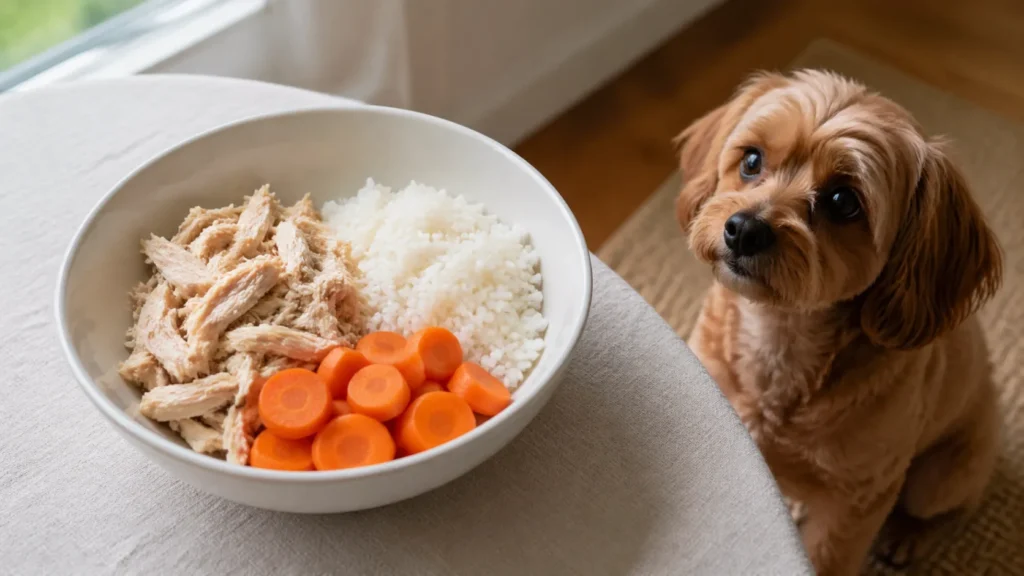
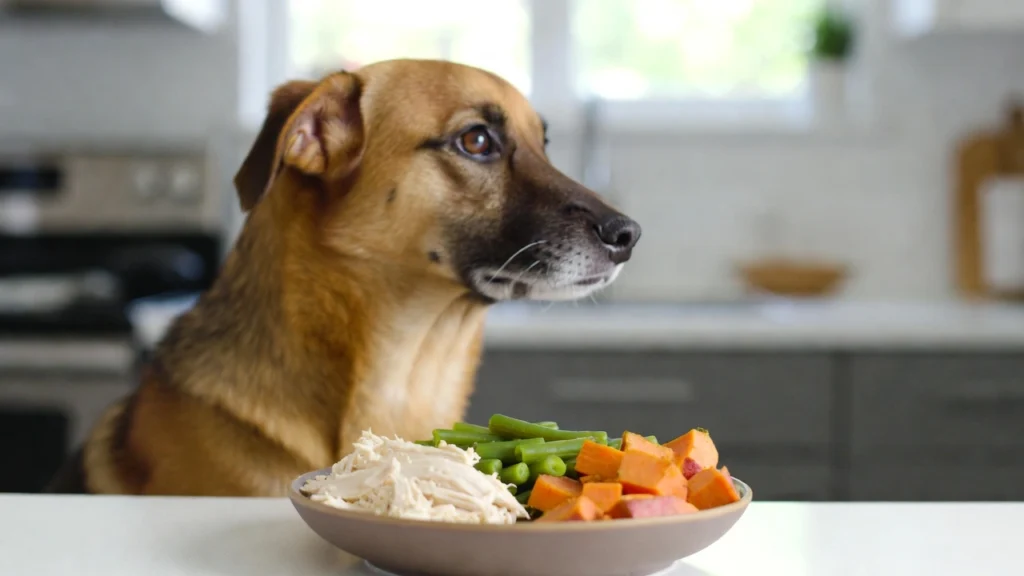
If your veterinarian has told you that your dog needs to lose weight, or if you have noticed yourself that your pup has lost their waistline, moves a little slower than they used to, or pants after minimal exercise, you are not alone and the situation is absolutely fixable. Dog obesity is one of the most common and most preventable health conditions in the world, and the single most powerful tool you have to address it is the food that goes into your dog’s bowl every single day.
Switching to homemade dog food for weight loss gives you complete control over every calorie, every gram of fat, every source of protein, and every ingredient your dog consumes. Unlike commercial diet kibble, which often replaces fat with cheap carbohydrate fillers that keep calories higher than the label implies, a well-planned homemade weight loss diet is built around high-quality lean protein, fiber-rich vegetables, and carefully controlled portions that create the caloric deficit your dog needs to lose weight gradually, safely, and sustainably.
This guide gives you everything you need to start right now. You will learn exactly why excess weight is dangerous for dogs, how to assess whether your dog is overweight, which ingredients form the foundation of an effective weight loss diet, a complete step-by-step recipe with two variations, a practical portion guide, tips for keeping your dog satisfied despite fewer calories, how to track progress, and when to involve your veterinarian.
Why Excess Weight Is a Serious Health Risk for Dogs
Many dog owners underestimate the impact of extra weight on their dog’s health because the dog still seems happy and active. But the reality is that even a modest amount of excess body fat has measurable negative effects on nearly every system in a dog’s body, and those effects compound over time.
Extra weight places constant additional pressure on joints, cartilage, and connective tissue with every step the dog takes. Dogs carrying excess body fat are significantly more likely to develop osteoarthritis earlier in life and experience faster cartilage deterioration than dogs maintained at a healthy weight. For breeds already genetically predisposed to joint problems such as Labrador Retrievers, Golden Retrievers, and German Shepherds, being overweight dramatically accelerates the onset and severity of these issues.
The cardiovascular system also suffers under excess body weight. The heart must work harder to pump blood through a larger body, and fat tissue around the chest can reduce lung capacity and make breathing more labored during exercise. Overweight dogs are more prone to high blood pressure and cardiac strain as a result.
Excess body fat is directly associated with insulin resistance and an elevated risk of type 2 diabetes in dogs, particularly in certain predisposed breeds like Pugs, Beagles, and Miniature Schnauzers. The relationship between obesity and diabetes in dogs mirrors the same mechanism seen in humans, where excess fat tissue disrupts the body’s ability to regulate blood sugar effectively.
Perhaps most significantly, research consistently shows that dogs maintained at a lean, healthy body weight live measurably longer than overweight dogs of the same breed. Some studies suggest the difference can be as much as 18 months to 2 years of additional healthy life. That is a profound and motivating reason to take your dog’s weight management seriously today.
How to Tell if Your Dog Is Overweight
Before changing your dog’s diet, it helps to accurately assess their current body condition rather than relying solely on the number on a scale. Veterinarians use a tool called the Body Condition Score, or BCS, which rates dogs on a scale from 1 to 9. A score of 4 to 5 represents an ideal weight. A score of 6 to 7 indicates the dog is overweight. A score of 8 to 9 indicates obesity.
You can do a simple home assessment right now using three checks. First, run your hands firmly along both sides of your dog’s ribcage. You should be able to feel the ribs easily under a thin, even layer of fat. If you cannot feel the ribs without pressing hard, your dog is carrying too much fat. Second, look at your dog from above. A dog at a healthy weight has a visible waist, a narrowing between the rib cage and the hips. If the body looks like a solid rectangle or oval from above with no definition, excess fat is present. Third, view your dog from the side. A healthy dog has a slight upward tuck of the abdomen behind the ribcage. If the belly hangs level or sags downward, body fat is excessive.
These three checks together give you a reliable starting picture. If you are uncertain, your veterinarian can provide an official BCS score and a target weight to work toward.
The Best Ingredients for Homemade Dog Food for Weight Loss
The nutritional strategy behind a successful canine weight loss diet is straightforward in principle: maintain or slightly increase protein to preserve lean muscle mass, significantly reduce fat, increase dietary fiber to support fullness and healthy digestion, and reduce overall caloric density so your dog feels satisfied on fewer calories.
Lean Chicken Breast
Skinless, boneless chicken breast is the gold standard protein for homemade dog food for weight loss. It is one of the leanest animal proteins available, extremely low in fat, high in quality amino acids, and universally accepted by virtually every dog regardless of breed or preference. Every gram of protein in a weight loss diet is working to maintain muscle tissue that would otherwise be lost alongside fat during caloric restriction. Preserving muscle mass during weight loss is critical because muscle tissue is metabolically active and helps maintain a healthy metabolism even as your dog loses weight.
Lean White Fish
Cod, tilapia, and haddock are outstanding weight loss proteins because they deliver high-quality complete protein with an exceptionally low fat content. White fish is also a natural source of iodine, which supports healthy thyroid function, and thyroid health plays a direct role in regulating metabolic rate in dogs. For dogs that have developed a mild sensitivity to chicken over time, white fish makes an excellent primary protein alternative.
Green Beans
Green beans are one of the most powerful tools in a canine weight loss diet and for good reason. They are extremely low in calories, high in fiber, and filling enough that they significantly increase the volume of a meal without adding meaningful caloric load. A cup of cooked green beans contains fewer than 40 calories. Adding green beans to homemade dog food for weight loss allows you to maintain or even increase the physical volume of food in your dog’s bowl, which satisfies their hunger and reduces begging behavior, while simultaneously reducing the total calorie count of each meal.
Plain Canned Pumpkin
Plain pumpkin puree is rich in soluble dietary fiber, which slows the rate at which food moves through the digestive tract and produces a sustained feeling of fullness between meals. It also provides beta-carotene, potassium, and vitamin C in a form that is gentle on the gut. Even a tablespoon of pumpkin stirred into each meal makes a noticeable difference in how satisfied your dog feels after eating. Always use plain canned pumpkin with absolutely no added spices, sugar, or flavoring.
Broccoli and Zucchini
Both broccoli and zucchini are low-calorie, high-water, high-fiber vegetables that add bulk, vitamins, and digestive support to a weight loss meal without contributing significant calories. Steamed broccoli provides vitamin C, vitamin K, and sulforaphane, a natural anti-inflammatory compound. Zucchini is exceptionally high in water content, which contributes to hydration and a feeling of fullness. Both should be steamed or boiled until soft and chopped or mashed to improve digestibility.
Brown Rice in Controlled Portions
Complex carbohydrates are not the enemy in a weight loss diet as long as portions are carefully controlled. A small amount of cooked brown rice provides sustained energy, dietary fiber, B vitamins, and magnesium. The key in a weight loss recipe is reducing the carbohydrate portion significantly compared to a maintenance diet while increasing the vegetable portion to compensate for the reduction in total volume. This keeps the bowl looking generous and satisfying while reducing overall caloric content meaningfully.
Ingredients to Eliminate Completely
For a dog on a weight loss diet, certain ingredients must be removed entirely or drastically reduced. Fatty proteins such as lamb, pork belly, dark chicken meat with skin, and high-fat ground beef have no place in a weight loss recipe. Cheese, peanut butter, and other calorie-dense treats should be suspended during the active weight loss phase. Starchy vegetables like regular white potato and corn add calories without meaningful nutritional benefit for a weight loss goal. And obviously, table scraps, which are often the silent culprit behind gradual canine weight gain, must stop entirely.
Full Recipe: Homemade Dog Food for Weight Loss
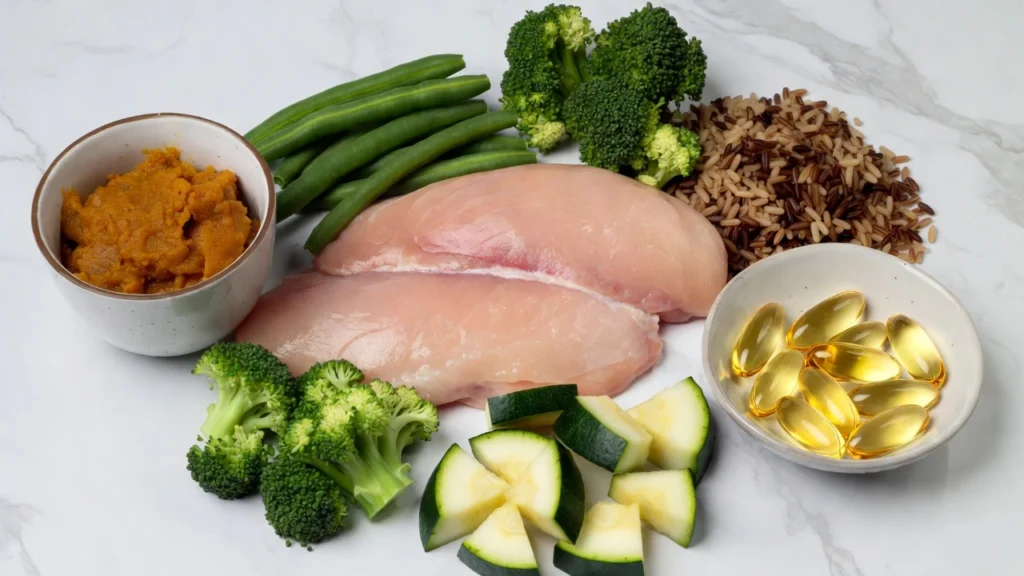
This recipe is designed for a medium-sized dog weighing between 30 and 50 pounds that needs to lose weight and makes approximately 4 to 5 days of reduced-calorie meals. Your veterinarian can help you determine the exact daily calorie target for your individual dog based on their current weight, target weight, age, and activity level.
Ingredients:
- 1.5 pounds boneless, skinless chicken breast
- 2 cups green beans, fresh or frozen, steamed until soft
- 1 cup broccoli florets, steamed and finely chopped
- 1 cup zucchini, diced and steamed
- Half a cup of plain canned pumpkin puree
- Three quarters of a cup of brown rice, uncooked
- 4 cups of water
- 1 teaspoon fish oil per serving, added fresh at mealtime
Step 1: Cook the chicken
Place the raw chicken breast in a pot and cover with water. Bring to a boil over medium high heat then reduce to a steady simmer. Cook for 20 to 25 minutes until fully cooked through with no pink remaining. Remove and allow to cool, then shred into small pieces using two forks. Reserve the cooking liquid.
Step 2: Cook the brown rice
Using the reserved chicken cooking liquid plus additional water to make 2 cups total, cook the brown rice according to package instructions. Brown rice typically takes 35 to 40 minutes at a gentle simmer. The resulting rice should be tender and fully cooked. Note that this recipe uses significantly less rice than a standard maintenance recipe because the caloric load of carbohydrates is intentionally reduced.
Step 3: Steam the vegetables
Steam the green beans, broccoli, and zucchini separately or together in a steamer basket until all are completely soft and easily mashable. Steaming preserves more nutrients than boiling while producing a texture that is gentle on the digestive system. Chop the broccoli and green beans very finely once cooked to maximize digestibility.
Step 4: Combine with pumpkin
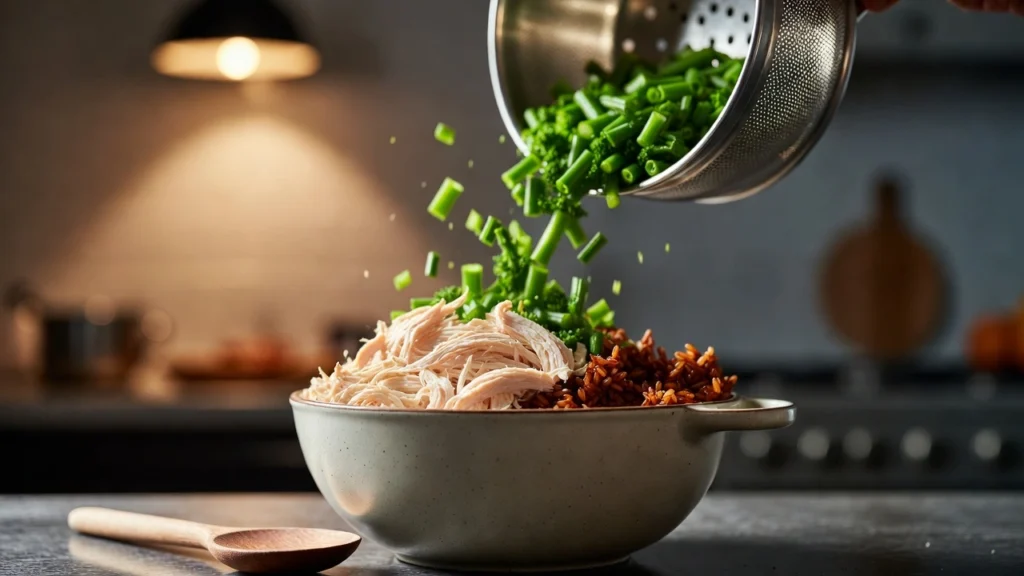
In a large mixing bowl, combine the shredded chicken, cooked brown rice, steamed green beans, broccoli, and zucchini. Add the plain pumpkin puree and stir thoroughly until every ingredient is evenly distributed throughout the mixture. The pumpkin binds the ingredients slightly and adds a mild sweetness most dogs find appealing.
Step 5: Cool completely before portioning
Allow the entire mixture to cool to room temperature before portioning into individual servings or transferring to storage containers. Never serve warm food directly from the pot and never seal hot food in airtight containers as this creates condensation and accelerates spoilage.
Step 6: Add fish oil fresh at each mealtime
Add one teaspoon of high-quality fish oil directly to your dog’s portion at each mealtime. Do not mix it into the bulk batch. Fish oil provides essential omega-3 fatty acids that support metabolism, reduce inflammation that often accompanies obesity, and maintain coat and skin health during the caloric restriction period.
Recipe Variation 1: White Fish and Green Bean Bowl
For dogs that need an even lower-fat protein source or that are becoming bored with chicken, this white fish variation delivers all the same weight loss benefits with a different flavor profile.
- 1.5 pounds cod or tilapia, baked plain at 375 degrees Fahrenheit for 20 minutes until flaky
- 2 cups steamed green beans, finely chopped
- 1 cup steamed broccoli, finely chopped
- 1 cup plain canned pumpkin puree
- Half a cup of cooked brown rice
- Quarter teaspoon ground turmeric
Flake the cooked fish thoroughly, removing any bones, and combine with all other ingredients. The higher pumpkin proportion in this variation increases fiber content further, making it particularly effective for dogs that experience hunger between meals.
Recipe Variation 2: Turkey and Vegetable Medley
Turkey mince at 93 percent lean is another excellent weight loss protein that provides a rich, savory flavor dogs respond to enthusiastically. This variation works particularly well for dogs that seem less motivated by chicken.
- 1.5 pounds lean ground turkey, 93 percent lean or higher, cooked and drained of any excess fat
- 1.5 cups steamed green beans, chopped
- 1 cup steamed zucchini, diced
- Half a cup of steamed carrots, finely diced
- Half a cup of plain canned pumpkin puree
- Half a cup of cooked brown rice
Cook the ground turkey in a non-stick pan over medium heat, breaking it up finely as it cooks. Once fully browned, drain off any accumulated fat in the pan before mixing with the other ingredients. This step is important for keeping the fat content of the meal as low as possible.
How Much to Feed Your Dog on a Weight Loss Diet
Accurate portioning is the single most important factor in whether a homemade weight loss diet succeeds or fails. Eyeballing portions or using measuring cups rather than a kitchen scale introduces significant error that can undermine weeks of effort.
As a general starting framework for homemade dog food for weight loss, aim to feed approximately 1.5 to 2 percent of your dog’s current body weight in food per day rather than the standard 2 to 3 percent used for maintenance. This creates a meaningful caloric deficit that promotes steady, safe weight loss without causing nutrient deficiency or excessive hunger.
Practical daily food amounts as a starting point:
A dog currently weighing 20 pounds: approximately 6 to 8 ounces of homemade food per day split into two meals. A dog currently weighing 35 pounds: approximately 10 to 12 ounces per day split into two meals. A dog currently weighing 50 pounds: approximately 14 to 16 ounces per day split into two meals. A dog currently weighing 70 pounds: approximately 18 to 22 ounces per day split into two meals.
Always split the daily amount into two meals rather than one. Two smaller meals spread across the day maintain more stable blood sugar levels, reduce hunger between meals, and support a healthier digestive rhythm during the weight loss process.
Weigh your dog every two weeks and adjust portions based on what you observe. A healthy, safe rate of weight loss for dogs is approximately 1 to 2 percent of total body weight per week. Faster weight loss than this can compromise muscle mass, cause nutritional deficiencies, and stress the liver. Slower than this may indicate the portions still need adjustment downward.
Keeping Your Dog Satisfied on Fewer Calories
The biggest behavioral challenge of a weight loss diet for dogs is managing hunger and the associated begging behavior that can make owners feel guilty enough to give in and offer extra food. These practical strategies help keep your dog satisfied throughout the day without adding significant calories.
Add more volume with low-calorie vegetables. If your dog seems persistently hungry, add an additional half cup of steamed green beans or plain pumpkin puree to their meal. These ingredients add almost no calories but significantly increase the physical volume of food in the bowl.
Feed more frequently in smaller portions. Instead of two meals per day, divide the same daily food amount into three smaller meals. The additional mealtime gives your dog something to look forward to more frequently and breaks up the time between feeding events, which reduces food-focused behavior.
Use kibble alternatives as treats. During the weight loss phase, replace any calorie-dense treats with raw baby carrots, plain rice cakes broken into small pieces, or small pieces of plain cucumber. These are all foods dogs accept readily as rewards while contributing negligible calories to the daily total.
Make meals last longer. Place your dog’s food in a slow feeder bowl, a licki mat, or scatter it across a sniff mat. Dogs that eat more slowly feel more satisfied with the same amount of food and engage their brain in the process of finding and eating their meal, which provides enrichment alongside the physical satisfaction of eating.
How to Track Your Dog’s Weight Loss Progress
Consistency in monitoring is what turns a good weight loss plan into a measurable success story. Weigh your dog at the same time of day, on the same scale, every two weeks throughout the weight loss period. Keep a simple written log of the date and weight so you can see the trend clearly over time.
Alongside the scale, continue using the three-point body condition check described earlier in this guide. You may notice the waistline becoming more defined, the ribs becoming easier to feel, and the abdominal tuck becoming more visible before the scale shows a significant change. These physical observations are just as valid and meaningful as the number on the scale.
Take photos of your dog from above and from the side every four weeks. Visual comparison over time is motivating for you as the owner and gives you a clear, objective record of how your dog’s body composition is changing even when daily progress feels slow.
Most dogs reach their target weight within 8 to 16 weeks depending on how much weight they need to lose and how consistently the diet and exercise program is implemented. Once your dog reaches their target weight, increase daily food portions gradually over two to three weeks to transition to a maintenance level diet. Do not return to the previous diet that caused the weight gain in the first place.
The Role of Exercise Alongside Diet
No weight loss plan for a dog is complete without addressing physical activity. Diet alone produces weight loss, but combining dietary changes with increased exercise produces better outcomes, helps preserve and build lean muscle during the weight loss process, supports cardiovascular health, and improves your dog’s mood and overall quality of life.
If your dog has been sedentary, start slowly. Two 15-minute walks per day is a perfectly appropriate starting point for a previously inactive overweight dog. As your dog’s fitness improves and the weight begins to come off, gradually extend walk duration and introduce gentle play sessions such as slow ball retrieves in a yard or quiet swimming if your dog enjoys water.
Always observe your dog during exercise for signs of overexertion, which in an overweight dog can include excessive panting, reluctance to continue moving, limping, or lying down and refusing to get up. These are signals to slow down and consult your veterinarian about an appropriate exercise progression plan.
When to Involve Your Veterinarian
While homemade dog food for weight loss is a safe and highly effective approach for the vast majority of overweight dogs, there are situations where veterinary involvement is not just recommended but essential.
If your dog has an underlying health condition such as hypothyroidism, Cushing’s disease, diabetes, kidney disease, or heart disease, weight management must be approached within the specific dietary parameters required for that condition. Some medical conditions cause or contribute to weight gain independently of diet, and addressing the underlying condition is a prerequisite for successful weight loss.
If your dog has lost significant muscle mass alongside fat, or if they seem lethargic, are losing weight very rapidly without explanation, or show any unusual symptoms during the dietary transition, a veterinary visit is warranted before continuing.
A board-certified veterinary nutritionist can create a completely personalized and nutritionally complete homemade weight loss diet plan for your dog if you want professional-grade precision beyond what a general recipe guide provides.
Final Thoughts
Homemade dog food for weight loss is one of the most effective, compassionate, and empowering approaches to helping your dog reclaim their health. Every meal you prepare is an active step toward a longer, more comfortable, more joyful life for your dog. The extra energy they will have, the easier movement you will notice, the brightness in their eyes as the weight comes off, these are rewards that go far beyond the effort of cooking.
Start with the main recipe in this guide, commit to accurate portioning and twice-weekly weighing, increase daily exercise gently but consistently, and give your dog four to six weeks to begin showing measurable results. The journey to a healthy weight is one of the best gifts you will ever give them.