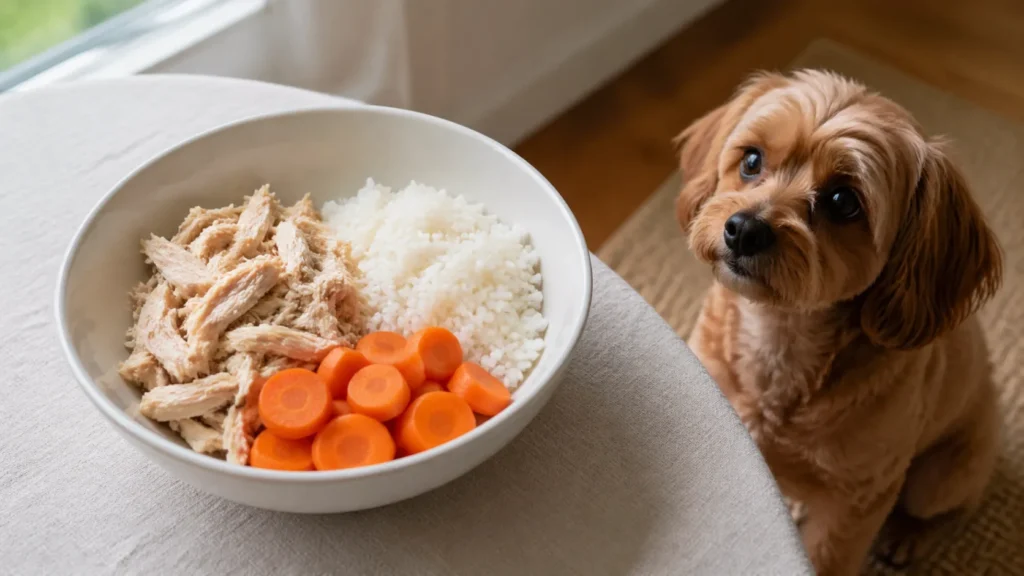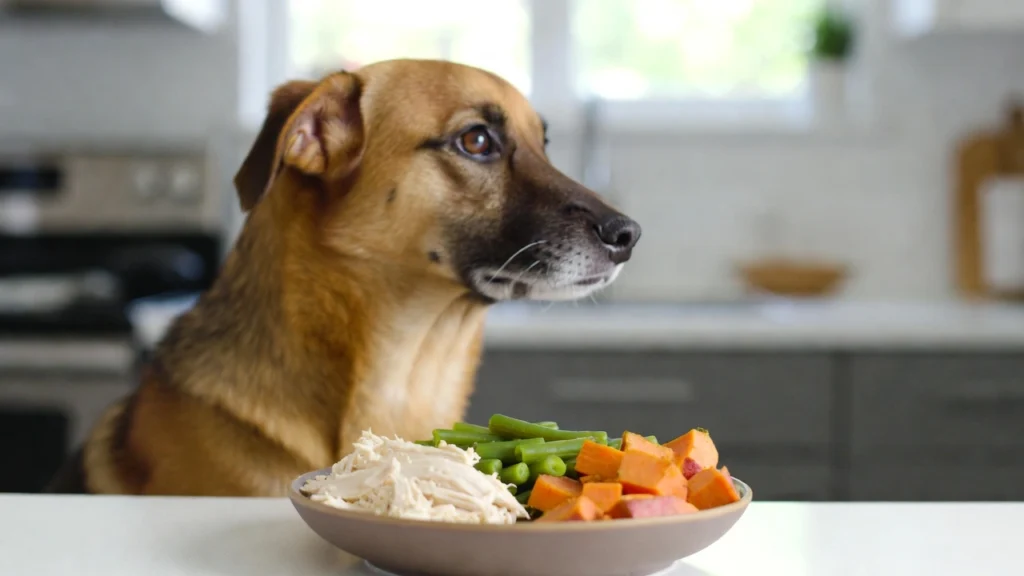
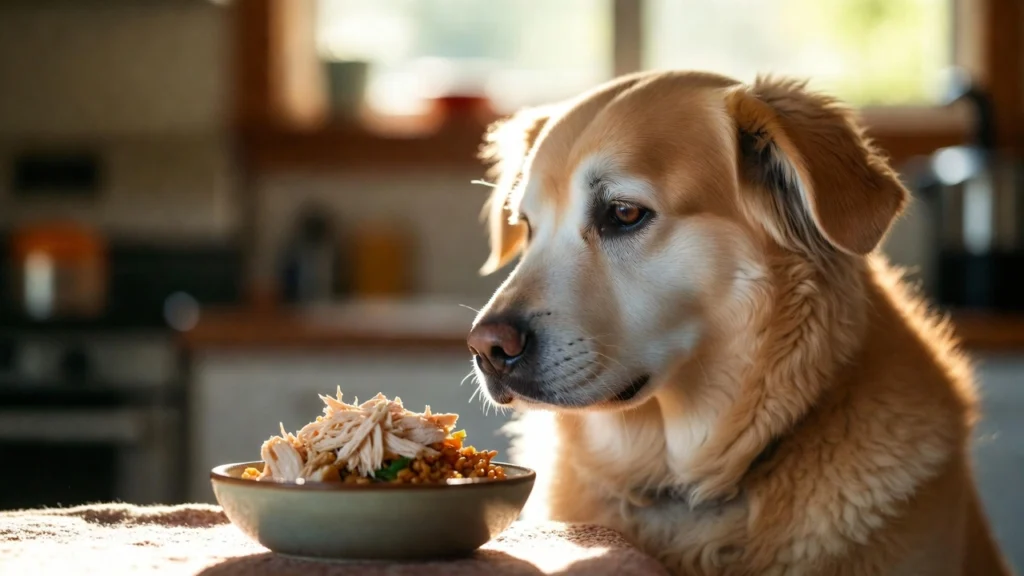
Watching your dog grow older is one of the most bittersweet experiences of being a dog owner. The gray muzzle, the slower walks, the longer naps, and the slightly stiff mornings all signal that your dog has entered a new chapter of life. That chapter deserves just as much care and attention as every one before it, and nothing makes a bigger difference in how well a senior dog ages than what goes into their bowl every single day.
Homemade dog food for senior dogs is one of the most powerful things you can do to support your aging companion. As dogs grow older their nutritional needs shift in specific and important ways. Their metabolism slows down, their joints need more support, their digestive system becomes more delicate, and their immune system requires stronger nutritional backing. A bag of standard commercial kibble, even a premium one, is formulated for a broad population of dogs and often cannot address the specific needs of your individual senior dog the way a thoughtful homemade diet can.
This complete guide walks you through everything you need to know. You will learn exactly how your senior dog’s nutritional needs change with age, which ingredients to use and which to avoid, a full homemade recipe with step-by-step instructions, portioning guidelines, two recipe variations, how to store food safely, supplement recommendations, and how to transition your older dog to a homemade diet without causing digestive stress.
How Your Senior Dog’s Nutritional Needs Change with Age
Before you change what is in your dog’s bowl, it helps enormously to understand what is happening inside their body as they age. Most dogs are considered senior once they reach seven years of age, though larger breeds tend to show signs of aging earlier, sometimes from as young as five or six years old.
As dogs age, several important physiological changes take place simultaneously. Muscle mass begins to decline naturally, a process called sarcopenia, which means your senior dog actually needs more high-quality protein than when they were younger, not less. Research consistently shows that senior dogs require significantly more protein to maintain muscle mass compared to younger adult dogs. Skimping on protein in a senior dog’s diet in an attempt to be cautious can accelerate muscle loss and leave your dog weaker and less mobile over time.
The digestive system also becomes less efficient with age. Nutrient absorption decreases, which means that even when a senior dog eats a nutritionally sound meal, they may not absorb all available nutrients as effectively as they once did. This makes ingredient quality and digestibility critically important for older dogs.
Joint health becomes a priority as many senior dogs experience some degree of osteoarthritis or general joint stiffness. Nutrients that support joint cartilage, reduce inflammation, and maintain mobility become a key part of a well-designed senior diet. Cognitive function also tends to decline with age, and specific nutrients like omega-3 fatty acids have been shown to support brain health and slow cognitive aging in older dogs.
Finally, metabolism slows in most senior dogs, making them prone to weight gain on the same caloric intake that maintained their healthy weight during younger years. Obesity in senior dogs is a significant welfare concern because excess weight accelerates joint deterioration, strains the heart, increases the risk of diabetes, and reduces overall life expectancy.
Understanding all of this puts you in a far better position to build a homemade diet that genuinely supports your dog through their senior years.
The Best Ingredients for Homemade Dog Food for Senior Dogs
Every ingredient you choose for your senior dog’s homemade food should earn its place by providing real nutritional value in a form that is easy to digest and gentle on aging systems.
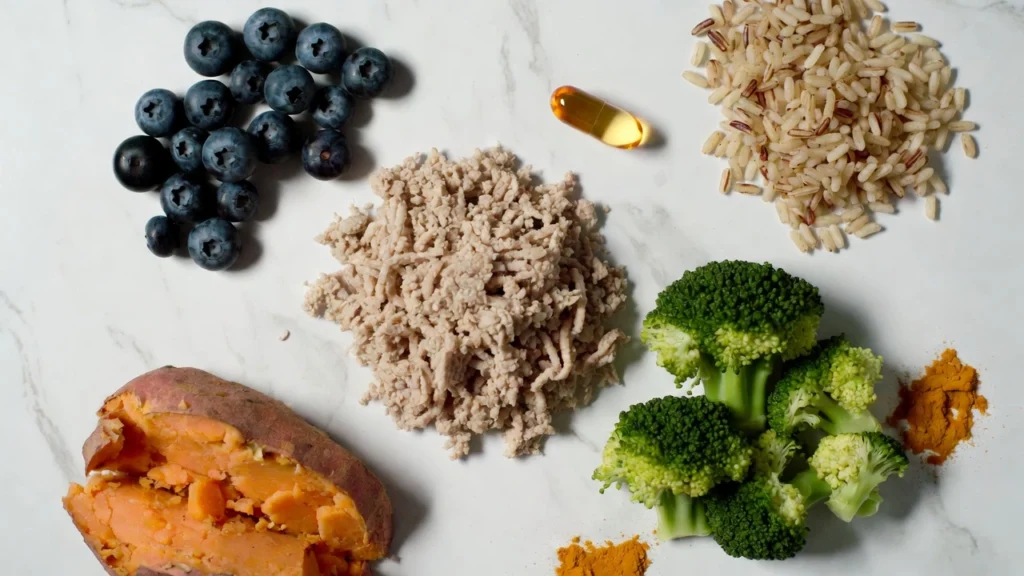
Lean Turkey
Turkey is one of the absolute best protein sources for senior dogs. It is leaner than beef, lower in fat than many other animal proteins, and rich in high-quality amino acids that directly support muscle maintenance. Turkey also provides niacin, vitamin B6, zinc, and selenium, all of which play important roles in immune function and energy metabolism. Ground turkey or turkey breast work equally well in homemade recipes. Always cook turkey thoroughly and remove any skin, which is too high in fat for older dogs.
Salmon and White Fish
Salmon is exceptional for senior dogs because it delivers both high-quality lean protein and a generous natural dose of omega-3 fatty acids. These anti-inflammatory fats are among the most important nutrients for an aging dog because they help reduce joint inflammation, support cognitive health, promote a healthy skin barrier, and contribute to a thick and shiny coat. White fish such as cod or tilapia provides similar protein quality with a milder flavor that even picky senior dogs tend to accept readily.
Brown Rice
Brown rice provides complex carbohydrates that fuel your senior dog’s daily energy needs without causing the rapid blood sugar spikes associated with simple carbohydrates. It also contains more fiber than white rice, which supports healthy bowel movements and helps maintain a feeling of fullness that prevents overeating in dogs prone to weight gain. The magnesium and B vitamins in brown rice support energy metabolism and nervous system health.
Sweet Potato
Sweet potato is one of the most nutrient-dense carbohydrate sources you can include in homemade dog food for senior dogs. It is rich in beta-carotene, which converts to vitamin A in the body and supports eye health, immune function, and skin integrity. Sweet potato also provides potassium for heart and muscle function, vitamin C for immune support, and gentle dietary fiber for healthy digestion. Always cook sweet potato until completely soft and serve it without the skin for easiest digestion.
Blueberries
Blueberries are one of the most powerful superfoods you can add to a senior dog’s diet. They are packed with antioxidants that help neutralize free radicals, which are unstable molecules that contribute to cellular aging and inflammation throughout the body. The antioxidants in blueberries have specifically been studied for their role in supporting cognitive health in aging dogs, making them a genuinely meaningful addition rather than just a flavorful treat. A small handful mixed into each meal provides consistent antioxidant support without adding significant calories.
Broccoli and Green Beans
Lightly steamed broccoli provides vitamin C, vitamin K, fiber, and sulforaphane, a compound with powerful anti-inflammatory and antioxidant properties. Keep portions modest as too much broccoli can cause gas, but a small amount two to three times per week is excellent for senior dogs. Green beans are low in calories, high in fiber, and rich in vitamins C and K, making them ideal for senior dogs managing their weight while still needing satisfying, voluminous meals.
Turmeric
Ground turmeric contains curcumin, one of the most well-researched natural anti-inflammatory compounds available. For senior dogs dealing with joint stiffness or arthritis, even a small pinch of turmeric stirred into their food daily can provide meaningful anti-inflammatory support over time. Pair it with a small amount of black pepper to increase curcumin absorption significantly.
Fish Oil
Fish oil is the single most important supplement for homemade dog food for senior dogs. The omega-3 fatty acids EPA and DHA in fish oil directly reduce joint inflammation, support brain health, maintain heart function, and keep the coat and skin in excellent condition as dogs age. Add it fresh at mealtime rather than cooking it into the food to preserve the integrity of the fatty acids.
Ingredients to Avoid Completely
Onion and garlic in any form are toxic to dogs and must never appear in homemade food. Grapes and raisins cause kidney failure even in small amounts. Avocado contains persin, which is harmful to dogs. Macadamia nuts, chocolate, xylitol, alcohol, and nutmeg are all toxic and must stay entirely out of your senior dog’s diet. Avoid high-fat meats like lamb neck, pork belly, and fatty cuts of beef as these put unnecessary strain on the pancreas and digestive system of an aging dog.
Full Recipe: Homemade Dog Food for Senior Dogs
This recipe is designed for a medium-sized senior dog weighing approximately 25 to 40 pounds and produces approximately 4 to 5 days of meals. Scale proportionally for larger or smaller dogs.
Ingredients:
- 1.5 pounds ground turkey or turkey breast, cooked and shredded
- 1.5 cups brown rice, uncooked
- 1 medium sweet potato, peeled, cubed, and boiled until very soft
- 1 cup steamed broccoli florets, finely chopped
- Half a cup of green beans, steamed and chopped
- Quarter cup of fresh or frozen blueberries
- 4 cups water or low-sodium, onion-free, garlic-free chicken broth
- Quarter teaspoon ground turmeric
- 1 teaspoon fish oil per serving, added fresh at mealtime
Step 1: Cook the turkey
Place the ground turkey or turkey breast in a large pot with 2 cups of water. Cook over medium heat, breaking up ground turkey as it cooks, until fully browned with no pink remaining. If using turkey breast, cover with water, bring to a boil, reduce heat, and simmer for 20 to 25 minutes until cooked through. Remove turkey, reserve the liquid in the pot, and shred or crumble finely once cooled.
Step 2: Cook the brown rice
Using the reserved turkey cooking liquid plus additional water to make up 3 cups total, bring to a boil and add the brown rice. Reduce heat to a gentle simmer, cover, and cook for approximately 35 to 40 minutes until the rice is fully cooked and tender. The cooking liquid adds a mild savory flavor your senior dog will find appealing.
Step 3: Prepare the vegetables
While the rice cooks, boil the cubed sweet potato in a separate small pot until completely soft when pierced with a fork, approximately 15 minutes. Drain and mash or leave in soft cubes depending on your dog’s chewing ability. Steam the broccoli florets and green beans until tender, approximately 8 to 10 minutes. Chop the cooked broccoli very finely to improve digestibility.
Step 4: Combine with turmeric
In a large mixing bowl, combine the cooked turkey, cooked brown rice, mashed sweet potato, steamed broccoli, and green beans. Sprinkle in the ground turmeric and mix everything thoroughly until evenly combined. Allow the mixture to cool completely to room temperature before adding blueberries, which are stirred in last to preserve their antioxidant content.
Step 5: Add fish oil at mealtime
Portion the food for each meal and add one teaspoon of fish oil directly to your senior dog’s bowl at mealtime. Never cook the fish oil into the bulk batch as heat destroys the delicate omega-3 fatty acids that make it so beneficial.
Recipe Variation 1: Salmon and Sweet Potato for Joint Health
For senior dogs with significant joint issues, this salmon-based variation provides an even higher concentration of natural omega-3 fatty acids alongside the anti-inflammatory sweet potato.
- 1.5 pounds boneless, skinless salmon fillet, baked plain and flaked
- 1.5 cups cooked brown rice
- 2 medium sweet potatoes, cooked and mashed
- Half a cup of steamed zucchini, diced
- Quarter cup of blueberries
- Quarter teaspoon turmeric
Combine all ingredients once cooled. Serve in the same portions as the main recipe. The natural oil content of salmon means you do not need to add additional fish oil to this variation, making it a self-contained joint-supporting meal.
Recipe Variation 2: Gentle Turkey and Pumpkin for Digestive Support
For senior dogs that struggle with digestive irregularity, this variation adds plain pumpkin puree for its exceptional fiber and digestive regulating properties.
- 1.5 pounds lean ground turkey, cooked
- 1.5 cups white rice, cooked (easier to digest than brown rice for dogs with very sensitive digestion)
- Half a cup of plain canned pumpkin puree, no spices or additives
- 1 medium carrot, steamed and finely diced
- Half a cup of steamed green beans
- 1 teaspoon fish oil per serving
Mix all ingredients once cooled. This variation is particularly effective for senior dogs experiencing loose stools, constipation, or irregular digestion alongside their regular aging-related dietary needs.
How Much to Feed Your Senior Dog
Portion size for a senior dog should be calibrated to maintain a healthy lean body weight. You should be able to feel your dog’s ribs easily under a thin layer of fat when you press gently along their sides. If you cannot feel the ribs at all, your dog is carrying too much weight. If the ribs are prominently visible or feel sharp with no fat covering, your dog may be underweight.
As a practical starting guideline for homemade dog food for senior dogs:
A dog weighing under 20 pounds needs approximately 6 to 9 ounces of food per day split into two meals. A dog weighing 20 to 40 pounds needs approximately 12 to 18 ounces per day in two meals. A dog weighing 40 to 60 pounds needs approximately 18 to 26 ounces per day in two meals. A dog over 60 pounds needs approximately 26 to 36 ounces per day depending on activity level and health status.
Feed senior dogs twice daily rather than once. Two smaller meals are significantly easier on the aging digestive system than one large meal, and consistent meal timing supports healthy digestive rhythm and stable blood sugar levels throughout the day.
Essential Supplements for a Complete Senior Dog Diet
Even the most thoughtfully designed homemade recipe benefits from targeted supplementation to ensure complete nutritional coverage for a senior dog.
Calcium: Homemade food is naturally low in calcium relative to commercial kibble. Crushed eggshell powder provides highly bioavailable calcium with roughly half a teaspoon per pound of food being an appropriate starting guideline. Alternatively, a vet-recommended calcium supplement formulated for dogs provides precise dosing.
Glucosamine and Chondroitin: These joint-supporting compounds are found naturally in connective tissue, cartilage, and bone broth. For senior dogs with visible joint stiffness or an arthritis diagnosis, a dedicated glucosamine and chondroitin supplement can provide therapeutic levels of these compounds that food alone cannot reliably deliver.
Vitamin E: As a fat-soluble antioxidant vitamin, E supports immune function and helps protect cells from oxidative damage. Senior dogs benefit from consistent vitamin E support, and a small amount added to homemade food regularly contributes meaningfully to their antioxidant defense system.
Probiotic: A dog-specific probiotic supports gut flora balance, improves nutrient absorption, and helps maintain consistent stool quality. For senior dogs with slower digestive function, a daily probiotic can make a noticeable difference in comfort and regularity.
Storing Homemade Senior Dog Food Safely
Refrigerator: Store prepared food in sealed airtight glass containers for up to 4 days. Label each container with the preparation date so you always know exactly how fresh the food is.
Freezer: Portion into individual daily servings in freezer-safe bags or containers and freeze for up to 2 months. Thaw each portion overnight in the refrigerator before serving. Never refreeze food that has already been thawed.
Always serve food at room temperature or slightly warm. Senior dogs have reduced sensitivity to food aromas compared to younger dogs, which can affect their appetite. Warming the food slightly, by adding a small splash of warm water and stirring through, releases more aroma and makes the meal significantly more appealing to older dogs that have become picky about eating.
Transitioning Your Senior Dog to Homemade Food
Senior dogs often have more sensitive digestive systems than younger adults, which means the transition to homemade food needs to be slower and more gradual than for a young, robust dog.
Plan for a full 14-day transition using this schedule:
Days 1 to 3: Serve 85 percent commercial food and 15 percent homemade food mixed together. Days 4 to 6: Move to 70 percent commercial and 30 percent homemade. Days 7 to 9: Shift to 55 percent commercial and 45 percent homemade. Days 10 to 11: Move to 30 percent commercial and 70 percent homemade. Days 12 to 14: Serve 15 percent commercial and 85 percent homemade. Day 15 onward: Full homemade diet if your dog is tolerating the transition comfortably.
Monitor your senior dog carefully every single day during this transition. Watch for loose stools, vomiting, reduced appetite, unusual lethargy, or any change in behavior that seems out of character. These signs tell you to slow the transition further and hold at the most recent comfortable ratio for an additional three to four days before progressing.
If your senior dog has an existing health condition such as kidney disease, liver disease, heart disease, or diabetes, always consult your veterinarian before changing their diet. Some medical conditions require very specific nutrient modifications that should be supervised by a veterinary professional or board-certified veterinary nutritionist.
The Difference You Will See
Dog owners who switch their senior dogs to a thoughtfully prepared homemade diet often report the same observations within four to six weeks. Improved coat quality, better energy and alertness, more consistent digestion, improved mobility on walks, and a noticeably more enthusiastic response to mealtime. Senior dogs that have become bored or picky with commercial kibble often rediscover their appetite entirely when offered fresh, aromatic, real-food meals.
These improvements are not just cosmetic. They reflect genuine improvements in nutrient absorption, inflammation levels, digestive comfort, and overall physiological wellbeing. Your senior dog cannot tell you how much better they feel. But their eyes, their coat, their energy, and the way they bound toward their bowl each day will tell you everything you need to know.
Final Thoughts
Making homemade dog food for senior dogs is one of the most meaningful acts of care you can offer an aging companion. It takes a little more time than pouring kibble from a bag, but the return on that investment is a dog that ages with more comfort, more vitality, and more joy. Start with the main turkey and brown rice recipe in this guide, introduce the variations over time, and work closely with your veterinarian to ensure the diet is perfectly tailored to your individual dog’s health profile.
Your senior dog has given you years of unconditional loyalty. Give them back something extraordinary in return, a bowl full of real food, made with real love, every single day.