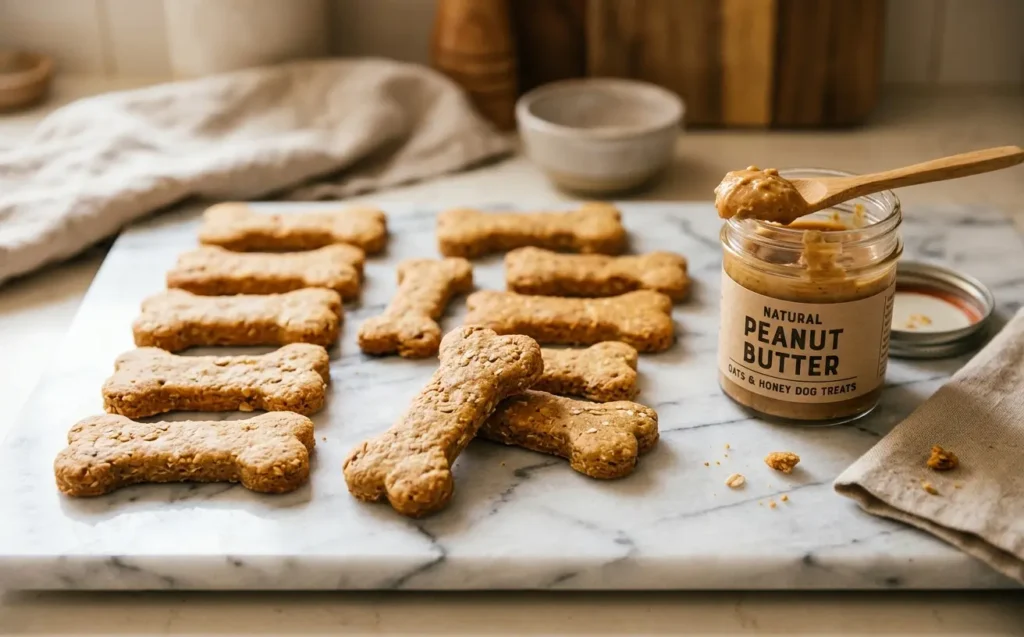
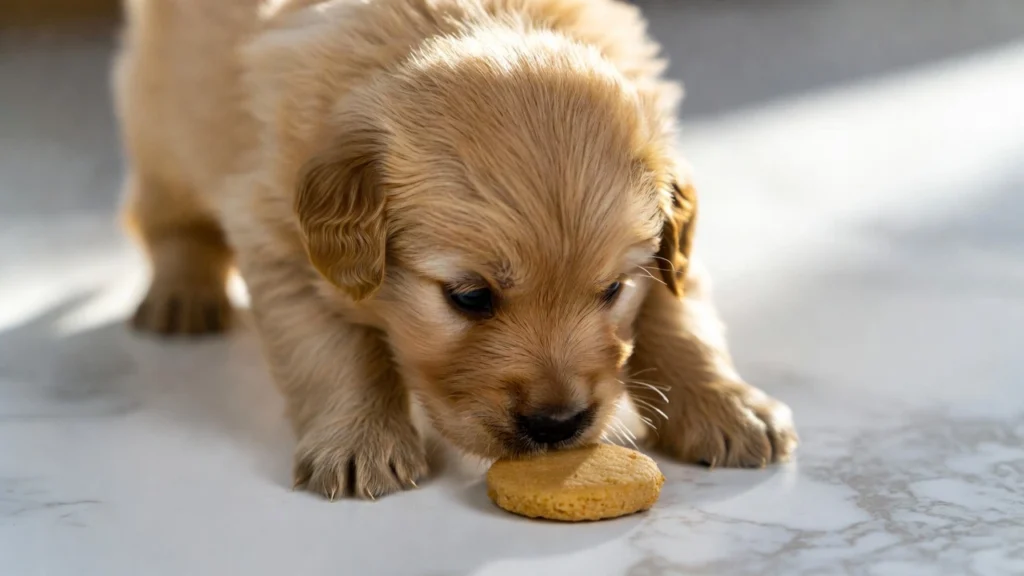
Bringing a new puppy home is one of the most joyful and overwhelming experiences a dog owner can have. Everything is new, everything requires a decision, and the question of what to feed your puppy, including which treats are safe, appropriate, and genuinely nourishing, sits at the very top of that list of decisions. Walk into any pet store and the treat aisle is enormous, colorful, and filled with products that look appealing but whose ingredient labels often tell a different story once you read them carefully.
Making homemade dog treats for puppies at home gives you something that no commercial treat can offer: complete certainty about every single ingredient your puppy puts in their mouth. No artificial preservatives, no synthetic flavor enhancers, no mystery meat by-products, no added sugar, and no salt levels calibrated for shelf appeal rather than puppy health. Just clean, safe, nutritious ingredients prepared fresh in your own kitchen for a puppy whose digestive system is still developing and whose early nutritional experiences shape their food relationship for life.
This complete guide covers everything you need to know about making homemade dog treats for puppies safely. You will learn exactly what makes puppy treat nutrition different from adult dog treats, which ingredients are safe and beneficial for puppies, which ingredients must be avoided entirely, three complete recipes at different difficulty levels, how to size treats correctly for a small puppy mouth, how many treats to give per day without disrupting their main diet, and how to store batches safely to keep them fresh.
Why Puppy Treat Nutrition Is Different from Adult Dog Treats
A puppy is not simply a small adult dog. During the first twelve months of life, a puppy’s body is doing something extraordinary: building an entire adult body from scratch at a pace that will never be replicated again. Bones are mineralizing, muscles are developing, organs are reaching full functional capacity, the immune system is establishing its baseline response patterns, and the digestive system is colonizing the gut microbiome that will influence health for the rest of the dog’s life.
This extraordinary pace of development means that every food item a puppy consumes, including treats, needs to be held to a higher standard than treats for adult dogs. The developing digestive system of a puppy is more sensitive to ingredients that are too rich, too fatty, too high in sodium, or too concentrated in any single nutrient. A treat that an adult dog handles easily can cause significant digestive upset in a young puppy simply because their gut has not yet built the enzymatic and microbial capacity to process it without distress.
Puppies are also more vulnerable to the toxic effects of harmful ingredients. Their smaller body weight means that a toxic substance reaches a dangerous concentration in their bloodstream faster than it would in a larger adult dog. This is why the ingredient safety rules for homemade dog treats for puppies are even more strictly enforced than for adult dogs, with zero tolerance for any borderline ingredient and a strong preference for the mildest, gentlest, most easily digestible options available.
Beyond safety, treats for puppies play an important behavioral and developmental role. The early weeks and months of a puppy’s life are the most critical window for training and positive reinforcement. High-value treats that a puppy genuinely responds to make training sessions dramatically more effective, help build the trust and communication between puppy and owner that forms the foundation of a well-behaved adult dog, and create positive associations with learning and interaction that last a lifetime. Homemade dog treats for puppies that are small, soft, aromatic, and genuinely tasty give you a powerful training tool alongside their nutritional value.
Safe Ingredients for Homemade Dog Treats for Puppies
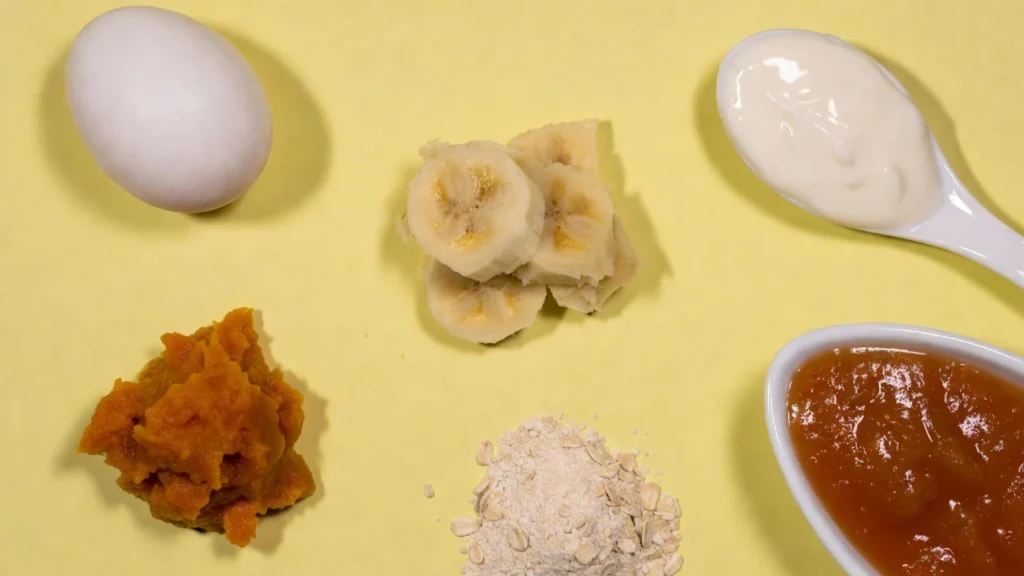
Choosing the right ingredients is the most important step in making homemade dog treats for puppies. The following ingredients are all safe, nutritionally beneficial, and gentle enough for the developing digestive system of a young puppy.
Oat Flour
Oat flour, made simply by blending plain rolled oats in a food processor until fine, is the ideal flour base for puppy treats. It is naturally softer and more digestible than wheat flour, making it gentle on a puppy’s sensitive gut. Oats provide B vitamins, iron, zinc, and soluble fiber that supports healthy digestion without causing the bloating or gas that some puppies experience with higher-fiber grain alternatives. Always use plain rolled oats with no added flavoring, sugar, or salt. Certified gluten-free oat flour is the best choice for puppies with any known grain sensitivity.
Banana
Ripe banana is one of the most puppy-friendly ingredients available for homemade treats. It provides potassium for muscle and nerve function, magnesium for bone development, vitamin B6 for brain health, and vitamin C for immune support, all in a form that is soft, sweet, and incredibly easy to digest. The natural sweetness of ripe banana makes treats genuinely appealing to puppies without requiring any added sugar. Use fully ripe bananas with brown spots for the sweetest flavor and easiest mashing.
Plain Canned Pumpkin
Plain pumpkin puree is one of the most versatile and beneficial ingredients in any puppy recipe. Its gentle soluble fiber content supports digestive regularity, which is particularly valuable for puppies whose gut microbiome is still establishing itself and who are prone to digestive inconsistency. Pumpkin also provides beta-carotene, potassium, and vitamin C. Always confirm you are using plain canned pumpkin puree with absolutely no added spices, sugar, or flavoring. Pumpkin pie filling, even in small amounts, contains spices that can irritate a puppy’s digestive system.
Plain Unsweetened Applesauce
Plain applesauce provides natural moisture that keeps treat dough workable and produces a softer, chewier final texture that is gentler on puppy teeth than hard, crunchy biscuits. It contributes vitamin C and gentle pectin fiber while adding a mild apple flavor that most puppies find appealing. Always choose unsweetened applesauce with no added sugar, preservatives, or artificial flavoring, and confirm the label shows no xylitol, which occasionally appears in diet or sugar-free applesauce varieties.
Egg
A whole egg provides complete protein containing all essential amino acids, healthy fats for brain development, riboflavin for energy metabolism, and selenium for immune function. In treat recipes, egg serves as a natural binder that holds the dough together and contributes to a satisfying texture. Always use eggs that are fully cooked in the final baked treat. Raw eggs contain an enzyme called avidin that interferes with biotin absorption when consumed regularly, and biotin is essential for healthy skin, coat, and metabolism in growing puppies.
Plain Yogurt
Plain, unsweetened, full-fat yogurt with live and active cultures is an excellent puppy treat ingredient that contributes protein, calcium for bone development, and beneficial probiotic bacteria that support the establishment of a healthy gut microbiome. For a puppy’s developing digestive system, consistent exposure to beneficial bacteria through foods like plain yogurt can meaningfully support gut health and immune function. Always read the label and confirm the yogurt contains no xylitol, artificial sweeteners, added sugar, or flavoring. Greek yogurt works particularly well in treat recipes because its thicker consistency helps bind ingredients without adding excess moisture.
Carrots
Raw or cooked carrots are excellent additions to homemade dog treats for puppies. They provide beta-carotene for eye and immune health, vitamin K for blood clotting function, and potassium for healthy heart and muscle development. Finely grated raw carrot blends seamlessly into treat dough and adds a natural sweetness and bright color that makes treats visually appealing. Steamed and pureed carrot works beautifully in softer no-bake treats.
Blueberries
Fresh or frozen blueberries mashed into treat dough provide a concentrated dose of antioxidants including vitamin C and anthocyanins that support immune function and protect developing cells from oxidative stress. They add natural sweetness, a beautiful purple-blue color to treat dough, and a flavor that puppies typically respond to enthusiastically. Use fresh or frozen blueberries with no added sugar or preservatives.
Ingredients to Never Include in Puppy Treats
The ingredient exclusion list for homemade dog treats for puppies is strictly non-negotiable. These items must never appear in any treat you make for a puppy under any circumstances.
Xylitol in any form is immediately life-threatening to puppies even in tiny amounts. Check every ingredient label before use. Chocolate, cocoa powder, and coffee are toxic to all dogs and especially dangerous for small puppies. Grapes, raisins, and currants cause kidney failure. Onion, garlic, leeks, and chives in any form destroy red blood cells. Macadamia nuts cause neurological and muscular toxicity. Nutmeg causes hallucinations and seizures. Avocado contains persin which damages heart tissue. Raw honey should not be given to puppies under one year old as their immune systems cannot safely process certain naturally occurring bacteria it may contain. Excessive salt in any form puts dangerous strain on a puppy’s developing kidneys. Artificial sweeteners, food colorings, and preservatives of any kind have no place in a puppy treat recipe.
Recipe One: Banana and Pumpkin Puppy Bites (No-Bake)
This is the simplest possible recipe for homemade dog treats for puppies and requires no oven, no special equipment beyond a mixing bowl, and only four ingredients. It is ideal for new puppy owners who want to start making treats immediately without any prior baking experience.
Ingredients:
- 1 ripe banana, mashed until completely smooth
- Half a cup of plain canned pumpkin puree
- 1 and a half cups of oat flour, plus extra for dusting
- 2 tablespoons plain unsweetened yogurt
Instructions:
In a medium mixing bowl, mash the ripe banana thoroughly until no lumps remain. Add the plain pumpkin puree and yogurt and stir everything together until smoothly combined. Add the oat flour gradually, stirring after each addition, until a soft dough forms that holds together without being sticky. If the dough feels too wet, add additional oat flour one tablespoon at a time until manageable.
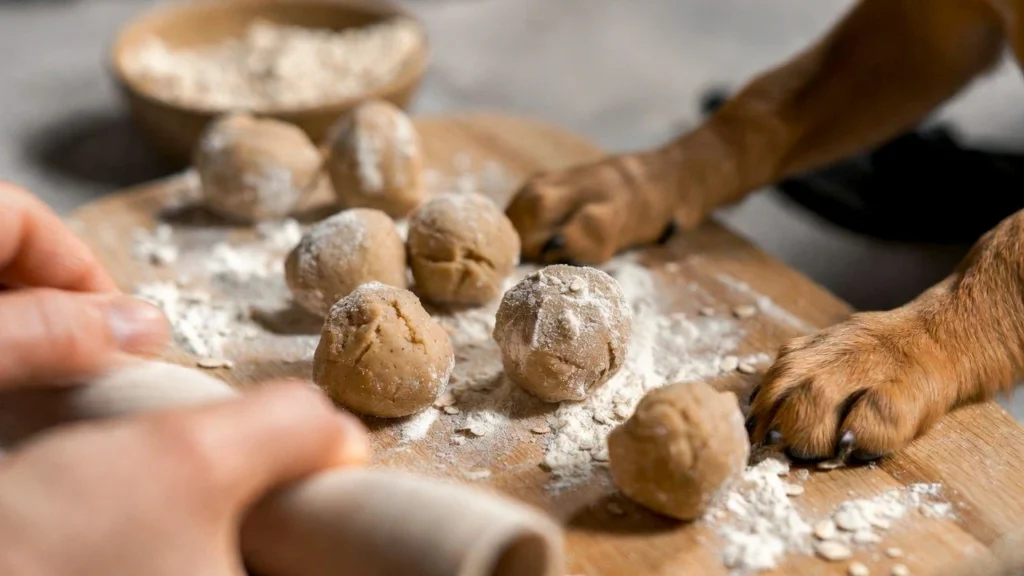
Lightly dust a clean surface with oat flour and turn the dough out onto it. Roll small portions of dough between your palms to form pea-sized balls for very young puppies under four months, or marble-sized balls for puppies four months and older. Place the finished bites on a plate lined with parchment paper and refrigerate for at least one hour before serving. The cold firms the treats and makes them easier for tiny puppy teeth to handle.
Store in an airtight container in the refrigerator for up to five days, or freeze in a single layer on a baking sheet before transferring to a freezer bag for up to two months.
Recipe Two: Carrot and Oat Puppy Training Treats (Baked)
This baked recipe produces small, lightly crunchy treats that are perfectly sized for training sessions and aromatic enough to hold a puppy’s attention consistently. The small size is intentional. Training treats for puppies should be tiny enough that a puppy can swallow them in one bite without stopping to chew, keeping the pace of the training session flowing naturally.
Ingredients:
- 1 and a half cups of oat flour
- 1 medium carrot, finely grated
- 1 large egg
- 3 tablespoons plain unsweetened applesauce
- 2 tablespoons plain yogurt
- Quarter teaspoon ground cinnamon (safe for dogs in small amounts and adds appealing aroma)
Instructions:
Preheat your oven to 350 degrees Fahrenheit and line a baking sheet with parchment paper. In a large mixing bowl, combine the oat flour and grated carrot and stir until the carrot is evenly distributed through the flour. In a separate small bowl, whisk together the egg, applesauce, and yogurt until smooth. Pour the wet ingredients into the dry ingredients and stir until a slightly sticky dough forms.
Turn the dough out onto a lightly oat-floured surface and roll to approximately one quarter inch thickness. Use a small round cutter about one inch in diameter, or the cap of a standard water bottle as an improvised cutter, to cut out small training-sized rounds. Place each round onto the prepared baking sheet, spaced about half an inch apart.
Bake for 18 to 22 minutes until the edges are lightly golden and the tops feel dry to the touch. Transfer immediately to a wire rack and allow to cool completely for at least 30 minutes before handling. As they cool they will firm up to a pleasant light crunch that is gentle enough for developing puppy teeth.
Store in an airtight container at room temperature for up to four days, in the refrigerator for up to ten days, or in the freezer for up to two months.
Recipe Three: Blueberry and Yogurt Puppy Frozen Treats
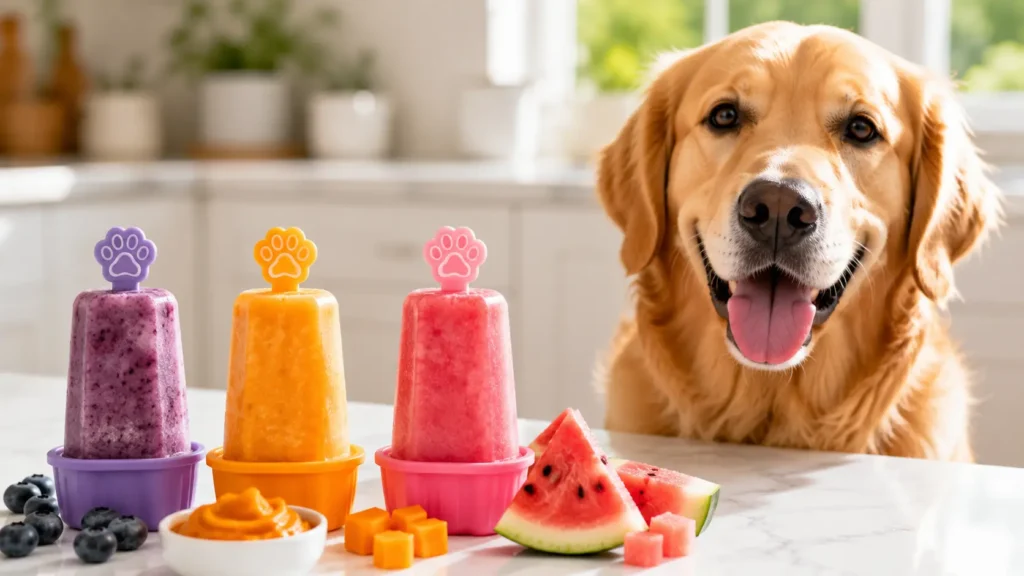
This no-bake frozen treat recipe is ideal for warmer months, for teething puppies that benefit from the soothing coolness of a frozen treat, and as a high-value reward for puppies that have mastered a new skill or milestone. These treats are served frozen directly from the freezer and melt slowly as the puppy licks and chews them, extending the treat experience and providing sensory enrichment alongside nutritional value.
Ingredients:
- 1 cup plain unsweetened yogurt, full fat
- Half a cup of fresh or frozen blueberries, thawed if frozen
- Quarter cup of plain canned pumpkin puree
- 2 tablespoons plain unsweetened applesauce
Instructions:
Place all ingredients in a blender or food processor and blend until completely smooth and evenly combined. The mixture should be pourable but not watery. If it seems too thin, add an additional tablespoon of pumpkin puree to thicken it slightly.
Pour the mixture into silicone molds in appropriate sizes for your puppy. Small bone-shaped or paw-shaped silicone molds available from kitchen stores work beautifully and produce treats that are just the right size for a puppy portion. Alternatively, pour into silicone ice cube trays for a simple and practical alternative.
Place the filled molds on a flat baking sheet and transfer carefully to the freezer. Freeze for a minimum of four hours or overnight until completely solid. Once frozen, pop the treats out of the molds and transfer to a zip-lock freezer bag for storage.
Serve one frozen treat at a time directly from the freezer. Supervise your puppy while they enjoy this treat as the frozen texture requires a little more active licking and chewing than a room temperature treat. Store in the freezer for up to three months.
How to Size Treats Correctly for Your Puppy
Treat size is critically important for puppy safety and digestive health. Treats that are too large pose a choking risk and contribute too many calories in a single serving, disrupting the careful nutritional balance of a puppy’s main diet. The following size guidelines ensure treats are appropriately scaled to your puppy’s current size and developmental stage.
For puppies under three months of age, treats should be no larger than a small pea. At this stage the puppy’s teeth are very small, their jaw muscles are not fully developed, and their swallowing mechanism is still maturing. Treats this small should be soft enough to dissolve with minimal chewing.
For puppies between three and six months of age, treat size can increase to approximately the size of a marble. By this stage most puppies have their full set of puppy teeth, are actively chewing, and can handle slightly more texture in their treats.
For puppies between six and twelve months of age, treat size can increase to approximately the size of a grape for medium to large breed puppies, while small breed puppies should continue receiving marble-sized treats or smaller throughout their first year.
Always supervise your puppy while they eat any treat, particularly during the first few times you introduce a new recipe. Watch for signs of choking, gagging, or digestive distress such as vomiting or very loose stools in the hours after treat time, and adjust size or recipe accordingly.
How Many Treats to Give Your Puppy Per Day
The ten percent rule applies to puppies just as strictly as it does to adult dogs, and given the smaller daily caloric needs of a young puppy, this means the actual number and size of treats per day is quite limited. Treats should make up no more than ten percent of your puppy’s total daily calorie intake.
For a small breed puppy weighing two to five pounds: no more than two to three pea-sized treats per day from the recipes in this guide.
For a medium breed puppy weighing ten to twenty pounds: three to five small treats per day is appropriate.
For a large breed puppy weighing twenty to forty pounds: five to eight small treats per day spread across training sessions and enrichment activities.
During intensive training sessions where multiple treats are given in a short period, reduce the portion size of each treat accordingly and consider reducing the puppy’s next meal slightly to account for the additional calories from treat training. Consistency in total daily caloric intake is more important than perfection in any individual session.
Never substitute treats for a regular meal. Puppy nutritional requirements during the growth phase are precise and demanding, and the recipes in this guide, while nutritious and wholesome, are not formulated as complete balanced meals. They are treats: supplementary, occasional, and always used within the ten percent daily calorie guideline.
Introducing New Treats to Your Puppy
Every new food item, including new treat recipes, should be introduced one at a time and in small amounts. Offer a single new treat in a tiny quantity and then observe your puppy for the following 24 hours. You are watching for loose stools, vomiting, skin reactions such as itching or redness around the muzzle, and any unusual lethargy or behavioral changes that might indicate a sensitivity to one of the new ingredients.
If your puppy tolerates a new treat with no reaction over 24 to 48 hours, you can confidently add it to their regular treat rotation. If you notice any digestive or behavioral changes, remove that treat from the rotation and wait a week before trying again with a smaller amount, or try a different recipe that does not contain the same potential trigger ingredient.
This one-at-a-time introduction approach also makes it much easier to identify any specific ingredient sensitivities your puppy might have, information that becomes increasingly valuable as you develop their adult diet and treat routine over the following months.
Storing Homemade Dog Treats for Puppies
Because homemade puppy treats contain no artificial preservatives, they have a significantly shorter shelf life than commercial treats and must be stored correctly to remain safe and palatable.
Room temperature storage is only appropriate for fully baked treats with very low moisture content, and even then only for two to three days maximum in a sealed airtight container kept away from heat and direct sunlight.
Refrigerator storage is appropriate for all three recipes in this guide. Baked treats keep well in the refrigerator for seven to ten days in a sealed glass or plastic container. No-bake treats should always be refrigerated and consumed within five days. Frozen yogurt treats must remain in the freezer until the moment of serving.
Freezer storage is the most practical approach for batch cooking. Make a large batch of any recipe, allow it to cool completely, freeze individual treats in a single layer on a parchment-lined baking sheet until solid, then transfer to a labeled freezer bag. This prevents treats from freezing together in a solid block and allows you to remove individual treats as needed. Baked and no-bake treats freeze well for up to two months. Frozen yogurt treats keep in the freezer for up to three months.
Always label every batch with the recipe name and the date prepared. This habit removes any uncertainty about freshness and ensures you are always serving your puppy treats that are within their safe consumption window.
Final Thoughts
Making homemade dog treats for puppies is one of the most loving, practical, and rewarding things you can do during your puppy’s foundational first year. It takes a small investment of time in the kitchen and returns something genuinely valuable: treats you trust completely, a puppy that responds enthusiastically to training and reward, and the satisfaction of knowing that every bite your puppy takes is doing something good for their growing body.
Start with Recipe One since it requires no oven and takes under fifteen minutes from start to finish. Once you and your puppy are comfortable with the routine, graduate to the baked training treats in Recipe Two for your daily training sessions. And on warm days or milestone celebration moments, pull out Recipe Three for a frozen blueberry and yogurt treat that your puppy will remember as something truly special.
Your puppy is growing up fast. Make every treat count.