Pregnancy in dogs is one of the most nutritionally demanding periods in any female dog’s life, and the dietary decisions made during those 63 days of gestation have consequences that extend far beyond the mother herself. The nutrition your pregnant dog receives directly influences the birth weight, immune function, cognitive development, skeletal integrity, and lifelong health trajectory of every puppy she carries. Getting it right is not just about keeping the mother comfortable and well-nourished. It is about giving an entire litter of new lives the strongest possible foundation from their very first moment.
Making homemade dog food for pregnant dogs gives you a level of nutritional control and ingredient quality that most commercial foods, even premium ones, struggle to match. Fresh, whole, recognizable ingredients prepared with care provide the bioavailable protein, essential fatty acids, vitamins, and minerals that a pregnant dog’s rapidly changing body requires at each stage of her pregnancy and throughout the demanding weeks of nursing that follow.
This complete guide walks you through every stage of the canine pregnancy and nursing journey from a nutritional perspective. You will learn exactly how a pregnant dog’s nutritional needs change trimester by trimester, which nutrients are most critical and why, the best ingredients for each stage, a complete step-by-step recipe for pregnancy and a separate recipe for the lactation period, a feeding schedule that adjusts progressively through all stages, critical supplement guidance, the specific risks of over-supplementation that must be avoided, safe storage practices, and when veterinary involvement is not just helpful but medically essential.
Understanding the Canine Pregnancy Timeline
A dog’s pregnancy lasts approximately 63 days from the date of ovulation, commonly divided into three trimesters of approximately three weeks each. Understanding what is happening physiologically during each trimester is the foundation of feeding correctly at every stage.
During the first trimester, weeks one through three, the fertilized embryos travel from the fallopian tubes to the uterine horns and implant into the uterine wall. The embryos are extremely small during this period and the mother’s actual nutritional requirements increase only minimally above her normal maintenance level. Most veterinary authorities recommend maintaining the pregnant dog’s normal diet and portion size during the first trimester to avoid unnecessary weight gain in the early stages when metabolic demands have not yet significantly increased.
During the second trimester, weeks four through six, the embryos develop rapidly into recognizable puppies with forming organ systems, skeletal structures, and nervous systems. Your pregnant dog’s energy needs rise as the puppies grow, especially from week six onward, and the recommended approach is to increase food intake gradually by around 10 percent per week from the sixth week, with a total increase of up to 50 percent by the time of whelping. The growing puppies increasingly crowd the mother’s abdominal cavity during this period, reducing stomach capacity and making smaller, more frequent meals more appropriate than larger ones. It Doesn’t Taste Like Chicken
During the third trimester, weeks seven through nine, the puppies grow rapidly in size and weight. The mother’s caloric needs are at their peak and her stomach capacity is significantly reduced by the pressure of the growing litter. As puppies grow they take up more space inside the mother’s abdomen, leaving less room for her stomach to hold large meals, so nutrient-dense food that packs more nutrition into smaller portions helps her stay energized even when she eats less. Three to four small meals per day rather than two larger meals is the most practical and comfortable feeding approach during the final weeks of pregnancy. Wyse Guide
After whelping, the nutritional demands of a nursing mother are even higher than during pregnancy itself. Milk production peaks about three to four weeks after whelping, and energy requirements increase steadily, peaking at two to four times prebreeding maintenance levels. A nursing mother dog feeding a large litter has some of the highest caloric and nutritional requirements of any life stage in the canine species, and her diet during this period directly determines both the quantity and the nutritional quality of the milk her puppies receive. Dog Treat Kitchen
The Critical Nutrients in Homemade Dog Food for Pregnant Dogs
Several specific nutrients require particular attention when building homemade dog food for pregnant dogs because their roles in fetal development, maternal health, and milk production are both critical and dose-sensitive in ways that require careful management.
High-Quality Protein – Homemade Dog Food for Pregnant Dogs: Full Guide
Protein is essential for puppy growth and development, and quality protein sources for pregnant dogs include chicken, turkey, beef, lamb, and fish. Protein provides the amino acid building blocks for every tissue, organ, muscle, enzyme, and immune component in the developing puppies and supports the mother’s own rapidly expanding uterine and mammary tissue. The protein requirement of a pregnant dog increases progressively through gestation and peaks during lactation when the protein content of her milk must be sustained. Chewy
High-quality, highly digestible animal protein is superior to plant-based protein for meeting the elevated amino acid requirements of pregnancy and lactation because its biological value is higher and a greater proportion of each gram is actually utilized by the body rather than processed as metabolic waste. Chicken breast, turkey breast, salmon, eggs, and lean beef all provide excellent quality protein for homemade dog food for pregnant dogs.
DHA and Omega-3 Fatty Acids – Homemade Dog Food for Pregnant Dogs: Full Guide
Research highlights that healthy fats, particularly DHA and omega-6 fatty acids, are especially important for the development of puppies’ brains and vision, improving cognitive function. DHA is a long-chain omega-3 fatty acid that is incorporated directly into the brain and retinal tissue of developing puppies during fetal development and through nursing. Puppies born to mothers with adequate DHA intake during pregnancy show measurably better cognitive function, learning ability, and visual acuity compared to puppies from DHA-deficient mothers. Salmon, sardines, mackerel, and fish oil supplements are the most bioavailable sources of DHA for pregnant dogs. Bob’s Red Mill
Calcium and Phosphorus in Correct Balance – Homemade Dog Food for Pregnant Dogs: Full Guide
During pregnancy and lactation, calcium and phosphorus become critical for fetal skeletal development and milk production. However, excessive calcium or an imbalance can lead to conditions such as eclampsia, a severe deficiency of calcium in lactating dogs that can cause tremors, seizures, or even death. The recommended calcium-to-phosphorus ratio is 1.2 to 1 derived from established nutritional guidelines. Bob’s Red Mill
This calcium guidance carries an important and counterintuitive warning: supplementing calcium beyond the appropriate level during pregnancy is not beneficial and is actively dangerous. Excess calcium supplementation during pregnancy suppresses the pregnant dog’s natural parathyroid hormone-mediated calcium regulation mechanisms. When she then transitions to lactation, when she genuinely needs to rapidly mobilize large amounts of calcium for milk production, those suppressed regulatory mechanisms cannot respond adequately, leading to eclampsia, a life-threatening condition. Never add calcium supplements to a pregnant dog’s diet beyond the amounts present in a nutritionally complete homemade recipe without explicit veterinary guidance and monitoring.
Folic Acid – Homemade Dog Food for Pregnant Dogs: Full Guide
Folic acid is a B vitamin that plays a critical role in cell division and DNA synthesis, making it particularly important during the rapid cellular proliferation of early fetal development. Adequate folic acid during the first trimester supports normal neural tube development in puppies and reduces the risk of certain developmental defects. Leafy green vegetables including spinach, green beans, and broccoli provide natural dietary sources of folate alongside their other nutritional contributions.
Iron – Homemade Dog Food for Pregnant Dogs: Full Guide
Iron supports the production of hemoglobin in both the mother and the developing puppies, who require substantial iron stores at birth to support their rapidly expanding blood volume in the first weeks of life. Lean beef, chicken liver in appropriate amounts, spinach, and egg yolks all contribute meaningful dietary iron to homemade dog food for pregnant dogs.
Energy – Homemade Dog Food for Pregnant Dogs: Full Guide
A pregnant dog requires 20 to 30 percent more calories than a non-pregnant dog during the middle and later stages of pregnancy, with this requirement increasing further during nursing. Meeting these elevated energy requirements is critical because caloric restriction during pregnancy, even unintentional restriction caused by reduced stomach capacity in the third trimester, can result in low-birth-weight puppies with reduced immune function and poorer survival outcomes. Energy-dense, nutrient-rich homemade food that provides maximum nutrition per unit volume is the most effective solution to the challenge of feeding adequate calories to a mother whose stomach capacity is significantly reduced by her growing litter. Chewy
Best Ingredients for Homemade Dog Food for Pregnant Dogs
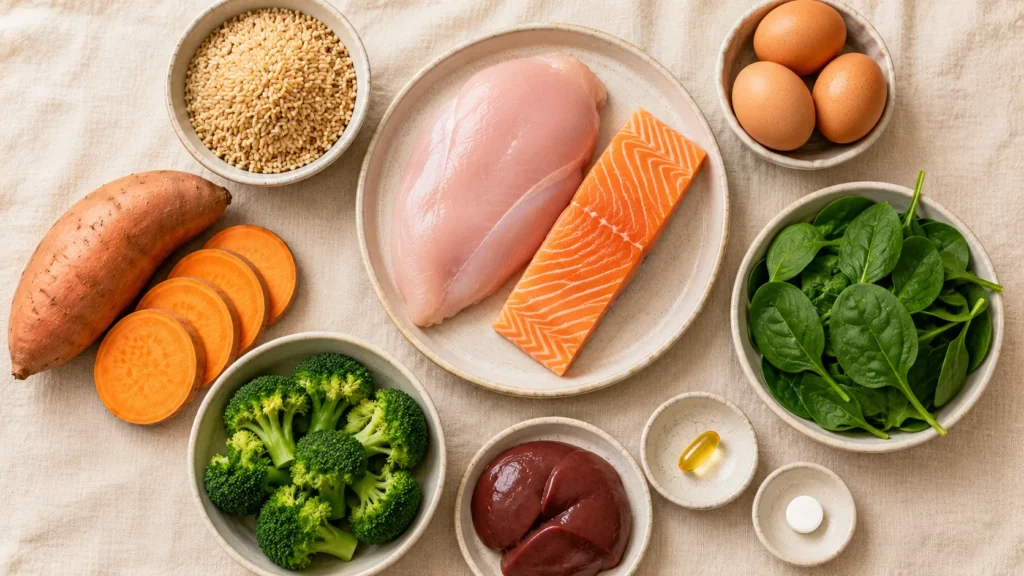
Every ingredient in a pregnant dog’s homemade diet must contribute genuine nutritional value in a form that is safe, bioavailable, and appropriate for the specific stage of pregnancy or lactation she is in.
Chicken Breast and Thigh
Chicken provides high-quality complete protein with all essential amino acids in a highly digestible form that pregnant dogs tolerate well throughout all three trimesters. Chicken thigh provides slightly higher fat content than breast meat, which is beneficial during the second and third trimesters when caloric density becomes increasingly important. Using a combination of breast and thigh meat in pregnancy recipes provides both protein quality and caloric density.
Salmon
Salmon is the single most important protein ingredient for homemade dog food for pregnant dogs because it provides both high-quality complete protein and the DHA omega-3 fatty acids that are directly incorporated into developing puppy brain and eye tissue. Including salmon in the recipe at least two to three times per week throughout pregnancy and lactation provides consistent DHA support that meaningfully benefits the cognitive and visual development of the entire litter.
Eggs
Whole eggs provide one of the most complete and bioavailable protein profiles available in any single food, a perfect amino acid balance alongside choline, vitamin D, vitamin B12, selenium, and healthy fat. The choline in eggs is particularly valuable during pregnancy as it supports neural development in the puppies and liver function in the mother. Always cook eggs fully before serving pregnant dogs to eliminate the risk of Salmonella contamination and the avidin enzyme in raw egg whites that blocks biotin absorption.
Chicken Liver in Controlled Amounts
Chicken liver is extraordinarily nutrient-dense, providing vitamin A, B12, folate, iron, zinc, and copper at concentrations that no other ingredient can match. These nutrients all play important roles in fetal development and maternal health during pregnancy. The critical qualifier is that liver must be fed in carefully controlled amounts, making up no more than five percent of the total daily diet. Excess vitamin A from overconsumption of liver causes vitamin A toxicity, which is teratogenic in pregnant dogs, meaning it directly causes birth defects in developing puppies. Use liver as a small but regular component of the recipe rather than as a primary ingredient.
Brown Rice
Brown rice provides complex carbohydrates for sustained energy alongside B vitamins, magnesium, and phosphorus. Its lower glycemic index compared to white rice provides steady blood glucose support that benefits a pregnant dog’s consistent energy maintenance throughout the day. During the third trimester when stomach capacity is most limited, the energy density of brown rice is valuable for maintaining caloric intake within a smaller meal volume.
Sweet Potato
Sweet potato provides beta-carotene for vitamin A production alongside potassium, vitamin C, vitamin B6, and dietary fiber. Beta-carotene from plant sources is converted to vitamin A by the body as needed, unlike the preformed vitamin A in liver which can accumulate to toxic levels if given in excess. Sweet potato therefore provides safe vitamin A support alongside liver without the toxicity risk of relying on liver as the sole vitamin A source.
Spinach and Broccoli
Leafy greens provide folate, iron, calcium, vitamin K, and antioxidants that support both fetal development and maternal immune function throughout pregnancy. Steam spinach and broccoli until completely soft and chop finely before incorporating into pregnancy recipes. The calcium in leafy greens contributes to the overall dietary calcium balance without the risk of oversupplementation associated with calcium supplement tablets.
Plain Yogurt
Plain, unsweetened, full-fat yogurt with live cultures provides calcium, protein, and probiotic bacteria that support the gut health of the pregnant mother. A healthy maternal gut microbiome during pregnancy influences the colonization of the puppies’ gut microbiomes at birth and through nursing, with lasting implications for their immune function and digestive health throughout life. Use plain yogurt with no added sugar, flavoring, or xylitol.
Full Recipe: Homemade Dog Food for Pregnant Dogs
This recipe is designed for a medium-sized pregnant dog weighing approximately 20 to 35 pounds pre-pregnancy and is appropriate from week four of pregnancy through the end of the nursing period with portion adjustments as described in the feeding schedule below. It must be reviewed by your veterinarian before use as your dog’s primary diet during pregnancy.
Ingredients:
- 1 pound boneless skinless chicken breast and thigh combined
- Half a pound of salmon fillet, baked plain at 375 degrees Fahrenheit for 20 minutes
- 2 whole eggs, fully scrambled in a non-stick pan with no oil
- A small amount of chicken liver equal to five percent of the total batch, cooked and finely minced
- 1 and a half cups of brown rice, uncooked
- 1 cup sweet potato, peeled, cubed, and boiled until completely soft then mashed
- 1 cup spinach, steamed and finely chopped
- Half a cup of broccoli florets, steamed and finely chopped
- 2 tablespoons plain full-fat yogurt per serving, added fresh at mealtime
- 1 teaspoon fish oil per serving, added fresh at mealtime
- Veterinary-approved prenatal vitamin and mineral supplement as directed
Step 1: Cook the chicken
Place the chicken breast and thigh pieces in a large pot and cover with plain water. Bring to a gentle boil over medium high heat then reduce to a steady simmer and cook for 20 to 25 minutes until fully cooked through with no pink remaining. Remove and allow to cool before shredding finely. Reserve the cooking liquid.
Step 2: Prepare the salmon
Place the salmon fillet on a parchment-lined baking sheet and bake at 375 degrees Fahrenheit for 20 minutes until fully cooked and easily flaked. Allow to cool before flaking carefully, removing any pin bones using clean tweezers or fingers. Set flaked salmon aside.
Step 3: Cook the brown rice
Using the reserved chicken cooking liquid plus additional water to total three and a half cups, bring to a gentle boil and add the brown rice. Reduce to a low simmer, cover, and cook for 35 to 40 minutes until completely soft and all liquid is absorbed.
Step 4: Scramble the eggs and cook the liver
Scramble the two eggs in a non-stick pan over medium low heat with no oil or butter until fully set. Break into small pieces. Cook the chicken liver separately in a small pan with a few tablespoons of water until fully cooked through, then mince very finely into the smallest possible pieces to ensure even distribution at the correct five percent ratio throughout the entire batch.
Step 5: Prepare the vegetables
Boil the cubed sweet potato in plain water for 15 minutes until completely soft then drain and mash smooth. Steam the spinach and broccoli until very tender, approximately 8 to 10 minutes, then chop finely.
Step 6: Combine all ingredients
In a large mixing bowl combine the shredded chicken, flaked salmon, scrambled egg pieces, minced liver, cooked brown rice, mashed sweet potato, steamed spinach, and chopped broccoli. Stir everything thoroughly until completely and evenly combined. Allow the full mixture to cool completely to room temperature before portioning for storage.
Step 7: Add fresh additions at each mealtime
Add two tablespoons of plain yogurt, one teaspoon of fish oil, and the veterinary-prescribed prenatal supplement fresh to each individual portion at mealtime. Never mix these additions into the bulk batch as this prevents accurate per-meal dosing and reduces the viability of the probiotic cultures in the yogurt.
Lactation Recipe: Homemade Dog Food for Nursing Dogs

The nutritional demands of a nursing mother dog are significantly higher than during pregnancy itself, particularly during the first three to four weeks after whelping when milk production is at its peak. This lactation recipe is designed to support maximum milk production, maternal recovery from whelping, and the sustained high energy demands of nursing a full litter.
Ingredients:
- 1.5 pounds boneless skinless chicken breast and thigh combined
- Half a pound of salmon fillet, cooked and flaked
- 3 whole eggs, fully scrambled
- Chicken liver equal to five percent of the total batch, cooked and minced
- 1 and a half cups of brown rice, cooked
- Half a cup of oats, cooked
- 1 cup sweet potato, mashed
- 1 cup spinach, steamed and finely chopped
- Half a cup of green beans, steamed and finely chopped
- 3 tablespoons plain full-fat yogurt per serving at mealtime
- 1 to 2 teaspoons fish oil per serving at mealtime, increased from pregnancy dose
- Veterinary-approved postnatal lactation supplement as directed
The preparation method follows the same steps as the pregnancy recipe. The key differences in the lactation recipe are the increased egg portion for additional protein and choline, the addition of oats for their galactagogue properties that support milk production, the increased yogurt portion for additional calcium and probiotic support, and the increased fish oil dose to maintain DHA levels in the mother’s milk for continuing puppy brain and eye development throughout the nursing period.
Oats have been used as a traditional galactagogue, a food that supports and enhances milk production, across many species for centuries. While scientific evidence in dogs specifically is limited, the observation is consistent enough across nursing mammals that including oats in the lactation recipe is a well-regarded practice among experienced breeders and canine nutritionists.
The Progressive Feeding Schedule for Every Stage
Getting the timing and portion adjustments right throughout pregnancy and nursing is as important as getting the recipe right. The following schedule provides a practical framework for adjusting your pregnant dog’s food intake from confirmation of pregnancy through the weaning of the litter.
Weeks 1 through 5: Maintenance Level Feeding
During the first five weeks of pregnancy, feed your dog the same total daily amount she was receiving before pregnancy, divided into two meals per day. The puppies are still very small during this period and her metabolic demands have not yet increased significantly. Increasing food too early in pregnancy risks unnecessary maternal weight gain that can complicate whelping.
Week 6: Begin the First Caloric Increase
From week six onward, begin increasing the daily food amount by approximately 10 percent per week. At week six, her total daily portion should be approximately 10 percent larger than her pre-pregnancy maintenance amount. Divide this across three meals per day rather than two to accommodate the beginning of reduced stomach capacity.
Week 7: Second Increase
By week seven, the daily food amount should be approximately 20 percent above maintenance. Continue with three meals per day. Monitor the mother’s body condition throughout this period. You should be able to feel her ribs easily under a moderate covering of fat. Rapid weight gain above what is appropriate for the growing litter size suggests portions need adjustment downward.
Week 8: Third Increase
By week eight, the daily food amount should be approximately 30 to 40 percent above maintenance. Some mothers with large litters may show reduced appetite during this week as uterine and puppy pressure on the stomach becomes most significant. If she is reluctant to eat full portions, increase meal frequency to four smaller meals per day to maintain adequate caloric intake within her reduced stomach capacity.
Week 9 Before Whelping: Peak Pregnancy Feeding
By the final week of pregnancy, the daily food amount should be 50 percent above maintenance if your dog’s stomach capacity allows it. Many mothers approaching whelping experience further appetite reduction in the final 24 to 48 hours before labor begins. Do not force feeding during this period. Offer small, highly appealing meals every four to five hours and allow natural appetite fluctuation in the pre-whelping period.
Whelping and the First 24 Hours
Most mothers have little appetite immediately after whelping and in the first 24 hours post-whelping. Offer small amounts of the lactation recipe every four to six hours and ensure fresh water is always available. Hydration is critically important immediately post-whelping as the mother has just expended significant physical energy and begins milk let-down simultaneously.
Weeks 1 through 4 of Nursing: Peak Lactation Feeding
Milk production peaks about three to four weeks after whelping and energy requirements increase steadily, peaking at two to four times prebreeding maintenance levels. Feeding several times per day or free choice during the first three to four weeks after whelping helps meet the higher energy demands of lactation. During peak lactation, the mother should have access to her lactation recipe food throughout the day, with fresh portions offered every four to six hours and clean water always available. Monitor her body weight closely during this period. Rapid weight loss indicates the current feeding amount is insufficient for her litter size and her daily food amount must be increased further. Dog Treat Kitchen
Weeks 4 through 6 of Nursing: Gradual Weaning Reduction
As the puppies begin transitioning to solid food between weeks three and four, their demand for the mother’s milk gradually decreases and her caloric requirements begin to decline. Begin reducing her daily food amount by approximately 10 percent per week from week four onward as the puppies increase their solid food intake. By week six to seven most litters are fully weaned and the mother can be gradually returned to her pre-pregnancy maintenance feeding level over one to two additional weeks.
On the day before weaning, the dam should be separated from the puppies. While all food should be withheld from her for one day to help slow milk production, continue to provide fresh water. The dam and puppies can be reunited that evening after the puppies have eaten. Dog Treat Kitchen
Critical Supplements for Pregnant and Nursing Dogs
Supplementation during pregnancy and lactation requires the same careful, veterinarily-supervised approach as any medically sensitive dietary period. The following supplements are broadly appropriate for homemade dog food for pregnant dogs but should always be confirmed with your veterinarian before use.
A complete prenatal vitamin and mineral supplement formulated specifically for pregnant dogs fills the micronutrient gaps in any homemade recipe and ensures the precise calcium to phosphorus ratio required for safe fetal development. These supplements are available through veterinarians and reputable pet nutrition suppliers and are formulated to avoid the over-supplementation risks associated with using multiple individual supplements simultaneously.
Fish oil at a veterinary-confirmed dose provides DHA for puppy brain and eye development throughout pregnancy and during nursing. The dose for pregnant and nursing dogs is typically higher than for healthy adult dogs and should be confirmed specifically for your dog’s weight and litter size with your veterinarian.
Folic acid supplementation during the first trimester under veterinary guidance provides additional support for neural tube development in the earliest and most critical period of puppy formation. Many prenatal dog supplements include folic acid at appropriate levels, making separate supplementation unnecessary when a complete prenatal supplement is used.
Probiotics support the maternal gut microbiome during the physiological stress of pregnancy and lactation and contribute to the colonization of puppies’ gut microbiomes through nursing. A dog-specific probiotic confirmed safe for use during pregnancy is appropriate throughout both stages.
The one supplement that must never be given without precise veterinary supervision is standalone calcium supplementation beyond what is present in a complete prenatal supplement. The eclampsia risk associated with excess calcium during pregnancy is serious and the margin between beneficial and harmful calcium intake during this period is narrow enough that self-directed supplementation is genuinely dangerous.
Foods to Strictly Avoid During Pregnancy and Nursing
All of the foods dogs cannot eat under any circumstances, comprehensively detailed in Article #8 of this site, apply with equal or greater urgency during pregnancy and nursing. Onion, garlic, grapes, raisins, xylitol, chocolate, macadamia nuts, alcohol, avocado, and raw yeast dough are all toxic regardless of pregnancy status and their effects on developing puppies through the placenta and through milk make them even more critically important to exclude during this period.
Beyond the general toxic food list, raw meat and raw eggs carry additional risk during pregnancy due to the immunological changes of pregnancy that make the mother more susceptible to foodborne pathogens including Salmonella, Listeria, and Toxoplasma gondii. These pathogens can cross the placenta and infect developing puppies with potentially fatal consequences. Always cook all protein sources to food-safe temperatures in every meal prepared during pregnancy and nursing regardless of any previous raw feeding practice.
Excess vitamin A from overconsumption of liver is directly teratogenic in dogs. Keep liver at or below five percent of the total daily diet and do not add any additional vitamin A supplements beyond those present in a veterinarily-approved complete prenatal supplement.
High-sodium human foods, processed meats, seasoned foods, and any commercial human food products have no place in a pregnant dog’s diet. The elevated blood volume and cardiovascular demands of pregnancy make sodium management particularly important and high sodium intake adds unnecessary strain to an already physiologically stressed system.
Monitoring Your Pregnant Dog Throughout the Dietary Transition
Weighing your pregnant dog weekly throughout her pregnancy provides the objective data needed to ensure the progressive caloric increases in her feeding schedule are tracking appropriately with her litter’s growth. Appropriate weight gain during a healthy canine pregnancy varies with litter size but a general guideline is a total maternal weight gain of 15 to 25 percent above her pre-pregnancy body weight by the time of whelping. Weight gain significantly above this range suggests overfeeding. Weight gain significantly below this range may indicate the caloric increases are insufficient for her litter size or that an underlying health issue requires veterinary assessment.
Monitor your pregnant dog’s appetite, energy level, coat condition, and comfort daily. A healthy pregnant dog maintains good appetite through week seven or eight, has consistent energy appropriate for her stage of pregnancy, maintains a healthy coat, and appears comfortable rather than distressed. Any significant deviation from these observations warrants a veterinary consultation, as pregnancy complications require prompt professional management.
Always work with your veterinarian throughout your dog’s pregnancy and the nursing period. Prenatal veterinary care including confirmation of pregnancy, litter size estimation via ultrasound, assessment of maternal health, and guidance on whelping preparation is not optional but a fundamental responsibility of breeding a dog. Your veterinarian’s specific dietary recommendations for your individual dog’s breed, size, litter count, and health status always take precedence over any general guideline in this or any other resource.
Final Thoughts
Making homemade dog food for pregnant dogs is one of the most profound expressions of care available to a dog owner entrusted with the responsibility of a breeding female. The nutritional decisions made during those 63 days of pregnancy and the weeks of nursing that follow echo through the health of every puppy born, shaping their immune systems, their cognitive potential, their skeletal development, and their capacity for a long and healthy life.
Feed with precision, supplement with veterinary guidance, monitor with consistency, and approach every meal you prepare for your pregnant dog with the awareness that you are nourishing not just one life but an entire litter. The investment of knowledge and care that goes into every bowl you prepare is one of the most meaningful things you will ever do as a dog owner and breeder.