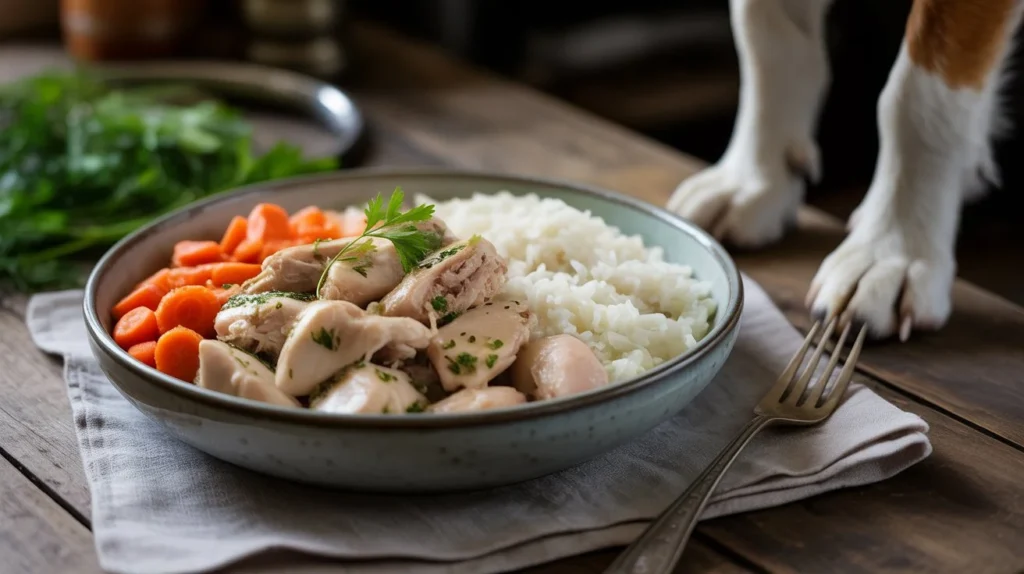

If your dog has been scratching constantly, chewing their paws raw, dealing with recurring ear infections, experiencing chronic loose stools, or showing patches of inflamed and irritated skin that no amount of antihistamines or topical treatments seem to permanently resolve, there is a meaningful possibility that food is at the root of the problem. Food allergies and food intolerances are among the most underdiagnosed and most manageable conditions in dogs, and the single most powerful intervention available to you is taking complete control of every ingredient your dog eats.
Making homemade dog food for allergies gives you a level of dietary control that no commercial pet food, however carefully labeled, can match. You choose every protein source, every carbohydrate, every vegetable, and every supplement. You eliminate every known or suspected allergen completely and without compromise. And you introduce new ingredients one at a time in a controlled, observable way that allows you to identify specific triggers with a precision that commercial food rotation can never achieve.
This complete guide walks you through everything you need to know. You will learn the difference between true food allergies and food intolerances in dogs, the most common food allergens in the canine diet, how to identify whether your dog’s symptoms are food-related, how to conduct a proper elimination diet, which novel protein and carbohydrate ingredients form the foundation of a safe hypoallergenic homemade recipe, two complete step-by-step recipes with variations, how to reintroduce ingredients after the elimination phase, essential supplement guidance, safe storage practices, and when veterinary involvement is essential rather than optional.
Food Allergies vs Food Intolerances in Dogs: Understanding the Difference
Before changing your dog’s diet, understanding the distinction between a true food allergy and a food intolerance helps you approach the dietary management correctly and set realistic expectations for the outcome.
A true food allergy is an immune system response to a specific protein in the diet. When a dog with a food allergy consumes the offending protein, their immune system incorrectly identifies it as a threat and mounts an inflammatory response that produces the visible symptoms of an allergic reaction. True food allergies in dogs typically manifest as skin symptoms including itching, redness, hives, and hair loss alongside ear inflammation and secondary skin infections that recur despite antibiotic treatment. Gastrointestinal symptoms including chronic loose stools, vomiting, and excessive gas may also be present. True food allergies require strict and permanent avoidance of the offending protein once identified, as even small amounts can trigger a significant immune response.
A food intolerance does not involve the immune system. It is a digestive response to a specific ingredient that the dog’s gastrointestinal system cannot process efficiently, causing symptoms primarily in the digestive tract including loose stools, gas, bloating, and vomiting. Food intolerances are typically dose-dependent, meaning small amounts of the offending ingredient may be tolerated while larger amounts cause obvious symptoms. Unlike true allergies, food intolerances do not produce skin symptoms and do not involve immune system activation.
Both conditions respond positively to dietary elimination of the offending ingredient, which is why the dietary management approach described in this guide is effective for both true food allergies and food intolerances. The key difference is that a dog with a confirmed true food allergy requires permanent, strict avoidance of the identified allergen, while a dog with a food intolerance may be able to tolerate small amounts of the trigger ingredient once the dietary situation is stabilized and the gut is given time to heal.
The Most Common Food Allergens in Dogs
Understanding which ingredients most commonly trigger allergic reactions in dogs is the starting point for building a genuinely hypoallergenic homemade diet. Contrary to what many dog owners expect, the most common food allergens in dogs are not the exotic or processed ingredients in commercial pet food. They are the most commonly fed proteins in the entire dog food industry.
Beef is the single most commonly identified food allergen in dogs, appearing in more confirmed food allergy cases than any other single ingredient. This is directly related to the prevalence of beef as a primary protein in commercial dog food. Dogs develop allergies to proteins they have been exposed to repeatedly over time, and beef is one of the most ubiquitous proteins in mainstream pet food formulations.
Chicken is the second most common food allergen in dogs and for precisely the same reason. Chicken appears in an extraordinary proportion of commercial dog foods, treats, dental chews, and training rewards, making it one of the most frequently encountered proteins in the typical dog’s lifetime diet and therefore one of the most common allergen triggers.
Dairy products including milk, cheese, and yogurt are common triggers for both true food allergies and food intolerances in dogs. Many dogs lack sufficient lactase enzyme production to process lactose efficiently, and the proteins in dairy products, particularly casein and whey, are recognized allergens in the canine immune system.
Wheat, corn, soy, and eggs complete the list of the most commonly identified food allergens in dogs. While grain allergies receive significant attention in dog nutrition marketing, the reality is that animal proteins trigger the vast majority of confirmed canine food allergies, and grain-free diets do not automatically resolve food allergy symptoms when the offending allergen is a protein like chicken or beef.
This pattern has a direct and important implication for building homemade dog food for allergies: the most effective hypoallergenic diet is built around protein sources your dog has genuinely never encountered before, called novel proteins, combined with carbohydrate and vegetable sources that are similarly new to your dog’s immune system.
Identifying Whether Your Dog’s Symptoms Are Food-Related
Food allergy symptoms in dogs overlap significantly with environmental allergies, flea allergy dermatitis, and various skin conditions, making accurate identification of the root cause genuinely challenging without proper veterinary assessment. However, several characteristics of food allergy symptoms distinguish them from other common causes and help guide the decision to investigate diet as a contributing factor.
Food allergies in dogs typically produce year-round symptoms rather than seasonal symptoms. Environmental allergies are often worse during specific seasons when particular pollens or molds are at their highest concentrations. Food allergy symptoms tend to be consistent throughout the year because the dog is exposed to the offending food ingredient daily regardless of season.
Food allergy symptoms often persist or worsen despite antihistamine treatment that provides at least partial relief for environmental allergies. If your dog’s itching, ear infections, and skin inflammation have not responded meaningfully to antihistamine medications or other allergy treatments, food should be investigated as a contributing cause.
The most common locations for food allergy symptoms in dogs are the paws including between the toes, the face particularly around the muzzle and eyes, the ears, the groin and inner thighs, and the armpits. Dogs with food allergies frequently chew or lick their paws repeatedly and develop chronic ear infections that resolve briefly with treatment before returning.
If your dog’s symptom profile matches these characteristics, a properly conducted dietary elimination trial is the most effective diagnostic tool available. No blood test or skin prick test currently available for dogs provides reliable results for food allergy diagnosis. The gold standard for diagnosing canine food allergies remains the dietary elimination trial, which requires a minimum of eight to twelve weeks of strict feeding of a novel protein diet with no other food sources of any kind.
What a Proper Elimination Diet for Dogs Looks Like
A dietary elimination trial is the foundation of managing homemade dog food for allergies, and its success depends entirely on the strictness with which it is implemented. A single exposure to the offending allergen during the trial period, even from a training treat, a table scrap, or a flavored medication, can negate weeks of dietary work and force the entire trial to restart from the beginning.
The elimination diet must include a protein source your dog has genuinely never eaten before, called a novel protein, combined with a carbohydrate source equally new to the dog’s dietary history. Common novel proteins used in elimination diets include venison, rabbit, duck, kangaroo, bison, and certain fish species that the dog has not previously consumed. Common novel carbohydrate sources include sweet potato, quinoa, millet, and tapioca.
During the elimination trial, which must last a minimum of eight weeks and ideally twelve weeks, your dog may only eat the novel protein recipe. No commercial treats, no dental chews, no rawhide, no flavored supplements, no table food of any kind. If the dog requires medication during this period, work with your veterinarian to ensure it is unflavored or flavored with a protein not present in the elimination diet.
If your dog’s symptoms improve significantly during the elimination trial, this constitutes strong evidence that food is contributing to their condition. The next step is a controlled reintroduction of individual ingredients, one at a time, to identify which specific protein or ingredient is the trigger. Each reintroduced ingredient is fed for two weeks while monitoring for symptom return. If symptoms return after reintroducing a specific protein, that protein is confirmed as a trigger and must be permanently excluded from the dog’s diet.
Always conduct a dietary elimination trial under veterinary supervision. Your veterinarian can confirm that the recipe you are using is nutritionally complete for the duration of the trial, rule out other causes of your dog’s symptoms, and guide the reintroduction phase to ensure safe and accurate allergen identification.
The Best Novel Protein Ingredients for Homemade Dog Food for Allergies
The success of homemade dog food for allergies depends on selecting protein and carbohydrate sources that are genuinely novel for your individual dog. The proteins listed below are the most commonly used and most nutritionally complete novel protein options for hypoallergenic homemade dog food.
Duck
Duck is one of the most widely available and nutritionally excellent novel proteins for dogs with allergies to chicken and beef. It provides a complete amino acid profile with a rich, savory flavor that dogs respond to with great enthusiasm. Duck is higher in fat than chicken breast, making it a more calorie-dense protein that is particularly suitable for dogs that have lost weight during their allergic period or that need additional energy support. Duck also provides iron, zinc, phosphorus, and B vitamins at generous concentrations.
Venison
Venison is an outstanding hypoallergenic protein that is genuinely novel for most dogs whose previous diet has consisted primarily of chicken, beef, or fish-based commercial foods. It is exceptionally lean, very high in quality protein, and rich in iron, zinc, B vitamins, and selenium. Its strong, distinctive aroma makes it highly palatable even to dogs that have become picky eaters due to chronic digestive discomfort associated with food allergies. Venison is available from butchers, specialty pet food suppliers, and some farmers markets in many regions.
Rabbit
Rabbit is one of the most hypoallergenic proteins available for dogs and is used extensively in veterinary elimination diet protocols precisely because of how rarely it appears in mainstream commercial dog food. It is extremely lean, exceptionally digestible, high in protein relative to fat content, and provides B vitamins, phosphorus, and selenium. Rabbit’s mild flavor is well accepted by most dogs and its lean profile makes it an excellent protein choice for allergic dogs that are also managing their weight.
White Fish Including Cod and Tilapia
White fish species that the dog has not previously consumed represent excellent novel protein choices for elimination diets. Cod and tilapia are both very lean, highly digestible, low in common allergen-associated proteins, and rich in iodine for thyroid health alongside their high-quality protein contribution. For dogs whose previous diet contained salmon or other oily fish, cod or tilapia may qualify as novel proteins. Always confirm the specific fish species used in your dog’s previous commercial food before selecting a fish-based novel protein.
The Importance of Genuine Novelty
The critical word in novel protein is genuine. A protein is only novel if the dog has truly never consumed it before in any form, including as a minor ingredient in commercial treats, chews, or flavored medications. Before selecting a novel protein for your elimination diet recipe, review every food your dog has eaten in the past twelve months as carefully as possible. Any protein that appeared on any ingredient label, even as a secondary or minor ingredient, should be considered potentially familiar to the dog’s immune system and excluded from the novel protein selection.
Best Carbohydrate Sources for Hypoallergenic Homemade Dog Food
Sweet Potato
Sweet potato is the most widely used and most nutritionally valuable carbohydrate source in hypoallergenic homemade recipes because it is genuinely novel for dogs that have eaten grain-based commercial food their entire lives, is easily digestible, and provides beta-carotene, vitamin C, potassium, and dietary fiber in a gentle, gut-friendly form. It is also naturally free from gluten and all common grain allergens, making it safe for dogs with wheat or grain sensitivities alongside their protein allergies.
Quinoa
Quinoa is a seed rather than a true grain and provides a complete amino acid profile alongside its carbohydrate contribution, making it one of the most nutritionally comprehensive carbohydrate sources available for hypoallergenic recipes. It is free from gluten, relatively novel in most dogs’ dietary histories, and provides manganese, phosphorus, folate, and magnesium. Always rinse quinoa thoroughly before cooking to remove the naturally occurring saponin coating on its surface, which can cause digestive irritation in some dogs.
Millet
Millet is a gluten-free ancient grain that appears rarely in mainstream commercial dog food and is therefore genuinely novel for most dogs. It provides B vitamins, magnesium, phosphorus, and dietary fiber in a very digestible, gentle form. Its mild flavor integrates seamlessly into any novel protein recipe without competing with the protein’s natural aroma and palatability.
Tapioca
Tapioca, derived from the cassava root, is an extremely digestive-friendly carbohydrate that is naturally gluten-free, grain-free, and almost completely free of common allergen compounds. It is less nutritionally dense than sweet potato or quinoa but serves an important role in hypoallergenic recipes for dogs with very sensitive digestive systems that react poorly even to the fiber levels in sweet potato during the acute phase of an elimination diet. Its bland, neutral flavor does not affect the overall palatability of the recipe.
Full Recipe: Homemade Dog Food for Allergies

This duck and sweet potato elimination diet recipe is designed for a medium-sized dog weighing approximately 25 to 40 pounds and makes approximately 4 to 5 days of complete daily meals. It uses a single novel protein and a single novel carbohydrate source as required by proper elimination diet protocol. Do not add any additional ingredients beyond those listed until the elimination trial is complete and your veterinarian has guided the controlled reintroduction phase.
Ingredients:
- 1.5 pounds duck breast, boneless and skinless
- 2 cups sweet potato, peeled, cubed, and boiled until completely soft
- 1 cup zucchini, steamed until very tender and finely chopped
- Half a cup of steamed green beans, finely chopped
- 4 cups of plain water
- 1 teaspoon fish oil per serving, only if fish is confirmed novel for your dog, added fresh at mealtime
- Veterinary-approved hypoallergenic vitamin and mineral supplement as directed
Step 1: Cook the duck
Place the boneless, skinless duck breast in a large pot and cover with plain water. Bring to a gentle boil over medium high heat then reduce to a steady simmer. Cook for 25 to 30 minutes until fully cooked through with no pink remaining. Duck breast takes slightly longer to cook through than chicken due to its denser muscle fiber structure. Remove and allow to cool, then shred into small pieces using two forks. Reserve the cooking liquid.
Step 2: Cook the sweet potato
Boil the peeled, cubed sweet potato in plain water in a separate pot for 15 to 18 minutes until completely soft when pierced with a fork. Drain thoroughly and mash until smooth. The smooth texture ensures even distribution throughout the recipe and maximum digestibility for a dog whose gut may be inflamed from chronic allergen exposure.
Step 3: Steam the vegetables
Steam the zucchini and green beans together in a steamer basket for 10 to 12 minutes until very soft. Chop finely after cooking. During an elimination diet, vegetables should be limited to options that are confirmed novel or historically well-tolerated. Zucchini and green beans are among the most widely hypoallergenic vegetable choices available and are appropriate for the vast majority of elimination diet protocols.
Step 4: Combine all ingredients
In a large mixing bowl, combine the shredded duck, mashed sweet potato, steamed zucchini, and green beans. Use a small amount of the reserved duck cooking liquid to moisten the mixture slightly if it feels too dry for your dog’s preference. Stir everything thoroughly until all ingredients are evenly distributed throughout the mixture.
Step 5: Cool completely before portioning
Allow the entire mixture to cool completely to room temperature before portioning into individual daily servings or transferring to storage containers. Never serve warm food directly from the pot during an elimination diet as heat can make it difficult to ensure supplement dosing accuracy. Add your veterinary-approved hypoallergenic supplement and fish oil fresh to each individual portion at mealtime.
Recipe Variation 1: Venison and Quinoa Hypoallergenic Bowl
This variation uses venison as the novel protein and quinoa as the novel carbohydrate for dogs that have previously consumed duck or for whom venison is confirmed novel.
- 1.5 pounds venison mince or venison steak, cooked and shredded
- 1 cup quinoa, rinsed thoroughly and cooked according to package instructions
- 1 cup sweet potato, mashed
- Half a cup of steamed zucchini, finely chopped
- 1 teaspoon fish oil per serving at mealtime if fish is novel
- Veterinary-approved hypoallergenic supplement at mealtime
Cook venison mince in a non-stick pan over medium heat, breaking up finely, until fully cooked and no pink remains. Drain any excess fat thoroughly on paper towels before combining with other ingredients. Mix all cooked and cooled ingredients together and store as directed.
Recipe Variation 2: Rabbit and Millet Gentle Bowl
This variation uses rabbit as one of the most hypoallergenic proteins available alongside millet as a gentle, novel carbohydrate source. It is particularly appropriate for dogs with very severe or multiple protein allergies who need the most conservative novel protein option available.
- 1.5 pounds rabbit meat, boneless, cooked in plain water and shredded
- 1 cup millet, cooked in plain water until soft according to package instructions
- 1 cup sweet potato, mashed
- Half a cup of steamed green beans, finely chopped
- 1 teaspoon fish oil per serving at mealtime if fish is novel
- Veterinary-approved hypoallergenic supplement at mealtime
Rabbit meat is available from specialty butchers, farmers markets, and online pet food suppliers in many regions. Cook rabbit in the same way as duck, simmering in plain water for 25 to 30 minutes until fully cooked through before shredding. Combine with all other cooked and cooled ingredients as directed.
How to Transition Your Dog onto an Elimination Diet
The transition to an elimination diet differs from a standard dietary transition because the goal is to move to the novel protein recipe as cleanly and quickly as possible while minimizing digestive disruption. A rapid transition is necessary because the longer the dog continues consuming the offending allergen, the longer their allergic symptoms will persist.
For dogs with severe digestive symptoms including active vomiting or significant diarrhea, your veterinarian may recommend transitioning over just two to three days rather than the standard seven to ten day schedule. For dogs with primarily skin symptoms and no active digestive upset, a standard seven day transition reduces the risk of digestive disturbance from the dietary change.
The transition schedule for an elimination diet:
Days 1 to 2: Serve 75 percent current food and 25 percent novel protein recipe. Days 3 to 4: Serve 50 percent current food and 50 percent novel protein recipe. Days 5 to 6: Serve 25 percent current food and 75 percent novel protein recipe. Day 7 onward: Serve 100 percent novel protein recipe.
During the transition week, begin a daily symptom log that records your dog’s skin condition, stool quality, energy level, ear condition, and any scratching or chewing behavior. Rate each observation on a simple scale from 1 to 5. This log becomes an invaluable clinical record for your veterinarian and provides objective evidence of improvement or lack thereof during the elimination trial period.
Managing the Elimination Diet Period: Practical Rules
The elimination diet is a clinical tool and its effectiveness is completely dependent on strict adherence. These practical rules must be established as household standards from day one of the elimination period.
Every person in the household must be informed that the dog is on an elimination diet and that giving any other food, treat, or human food is medically contraindicated. This includes grandparents, children, dog walkers, pet sitters, and any other person who has regular access to the dog. A single piece of bread, a single commercial treat, or a single table scrap can introduce the offending allergen and negate weeks of dietary work.
Replace all commercial treats with small pieces of the novel protein used in the elimination diet recipe. Tiny pieces of cooked duck breast, venison, or rabbit make excellent training treats during the elimination period and maintain training momentum without introducing any new allergens.
Check every medication, supplement, and dental product your dog uses for flavoring agents. Many heartworm prevention medications, flea treatments, dental chews, and even some probiotic supplements contain chicken, beef, or pork liver flavoring that introduces common allergens during the elimination period. Work with your veterinarian to identify unflavored alternatives for any product that contains a protein not in your dog’s novel protein recipe.
Do not allow your dog to scavenge or access other animals’ food bowls, food dropped on floors, compost bins, or outdoor areas where food waste might be accessible. Even brief exposure to a confirming allergen through scavenging can trigger a symptomatic response and disrupt the elimination trial.
Supplements Essential for a Hypoallergenic Homemade Diet
Homemade dog food for allergies requires specific supplementation to ensure nutritional completeness during a period when ingredient restrictions limit the natural micronutrient diversity of the recipe.
A hypoallergenic vitamin and mineral supplement specifically formulated for limited ingredient homemade diets fills the micronutrient gaps created by the strict ingredient restriction of an elimination diet. These supplements are formulated to avoid common allergen-associated carriers and are available through veterinarians and specialty pet health suppliers. Never use a standard multivitamin supplement that contains chicken or beef liver flavoring during an elimination diet.
Omega-3 fatty acids from fish oil, confirmed as novel or from a species confirmed as novel for your dog, provide anti-inflammatory support that directly benefits the skin inflammation associated with food allergies. The EPA and DHA in fish oil reduce the inflammatory signaling that drives the itching, redness, and skin damage of allergic reactions and can meaningfully accelerate the symptomatic improvement observed during the elimination trial.
A dog-specific probiotic that is confirmed free from common allergen carriers helps restore the healthy gut microbiome that is frequently disrupted in dogs with chronic food allergies and the associated intestinal inflammation. A restored gut microbiome improves nutrient absorption from the limited ingredient diet, supports immune regulation, and reduces the gut permeability that some researchers believe plays a role in the development and persistence of food allergies.
Calcium supplementation through crushed eggshell powder is appropriate only if eggs are confirmed as non-novel and non-reactive for your dog. If eggs cannot be used, a veterinary-approved calcium supplement in powder or tablet form provides the calcium that a meat-and-sweet-potato recipe lacks without introducing any allergen risk.
What to Expect During the Elimination Trial
Setting realistic expectations before beginning the elimination trial helps maintain the patience and consistency necessary for its success. Improvement in food allergy symptoms does not happen overnight and the timeline varies depending on the severity of the allergy, the duration of allergen exposure before the diet change, and individual differences in how quickly the dog’s immune system responds to the absence of the offending allergen.
Most dogs show the first noticeable signs of improvement within three to five weeks of beginning the elimination diet. Skin redness begins to fade, the intensity of scratching and paw-chewing decreases, ear inflammation subsides, and stool quality improves. These early improvements are encouraging but do not confirm that the full allergic response has resolved.
Full resolution of food allergy symptoms typically requires eight to twelve weeks of strict elimination diet feeding. Some dogs with severe or long-standing allergies may require the full twelve weeks before symptoms resolve completely. This is why committing to a full twelve-week trial from the beginning, rather than abandoning the approach at six weeks if improvement is slower than hoped, is the most clinically sound approach.
Your daily symptom log provides the objective record that allows you to see improvement trends even on days when progress feels frustratingly slow. A symptom score that has dropped from 4.5 to 3.2 over six weeks represents real progress even if the dog is still scratching, and seeing that trend in your log helps maintain the motivation to continue the trial through to completion.
After the Elimination Trial: Reintroducing Ingredients
Once the elimination trial is complete and your dog’s symptoms have significantly resolved or fully cleared, the controlled reintroduction phase allows you to identify specific allergen triggers and build a long-term diet that provides maximum variety while avoiding confirmed triggers.
Introduce one new ingredient at a time, feeding it consistently for two weeks before making any decision about whether it causes a reaction. A two-week observation window is necessary because some allergic reactions are delayed rather than immediate and require repeated exposure over several days before producing visible symptoms.
Keep every other aspect of the diet identical during the reintroduction phase. If you are testing chicken as a potential allergen, feed the novel protein recipe plus chicken and nothing else new for two weeks. If symptoms return, chicken is confirmed as a trigger. If no symptoms appear, chicken is cleared and can be incorporated into the long-term diet. Then test the next ingredient.
This methodical one-at-a-time reintroduction process requires patience but produces invaluable information. A dog owner who completes a full elimination trial followed by a careful reintroduction phase emerges with precise knowledge of exactly which ingredients their dog reacts to and which are safe, information that informs every future food and treat decision for the life of the dog.
Storing Homemade Dog Food for Allergies
Safe storage of homemade allergy recipes follows the same principles as standard homemade dog food storage, with the additional requirement of keeping the allergen-free food completely separate from any regular food or ingredient that might cross-contaminate the recipe.
Refrigerator storage: Store in dedicated sealed glass containers labeled with the recipe name, preparation date, and ingredient list for reference. Keep these containers on a separate shelf from any conventional food ingredients to prevent cross-contamination. Use for up to four days.
Freezer storage: Portion into individual daily servings in clearly labeled freezer bags stating the recipe name, preparation date, and novel protein used. Freeze for up to two months. Thaw overnight in the refrigerator. Never use the same storage containers for both the elimination diet food and regular food without thorough cleaning between uses.
Wash all preparation surfaces, utensils, cutting boards, and mixing bowls thoroughly with hot soapy water before preparing elimination diet food if those surfaces have been used for conventional food containing common allergens. Cross-contamination during food preparation is a genuine risk that can introduce allergens to a recipe that is otherwise completely safe for your allergic dog.
Final Thoughts
Making homemade dog food for allergies is one of the most medically meaningful dietary interventions available to a dog owner whose dog is suffering from chronic food-related symptoms. It requires more discipline, more knowledge, and more veterinary collaboration than any other type of homemade dog food, but the results it can produce in a dog that has been uncomfortable, itchy, and unwell for months or years are genuinely transformative.
The dog that emerges from a successful twelve-week elimination trial with a confirmed novel protein diet is a dog that is more comfortable, more energetic, less medicated, and more genuinely healthy than they were before. Their coat improves, their skin clears, their ears stop getting infected, their digestion stabilizes, and they simply seem happier and more at ease in their own body.
That transformation begins with the food in their bowl. Start with your veterinarian, choose your novel protein carefully, commit to the full elimination period without exception, and let the daily symptom log show you the progress that is happening even when it feels slow. Your dog is counting on your consistency, and the outcome is worth every careful, committed meal you prepare.