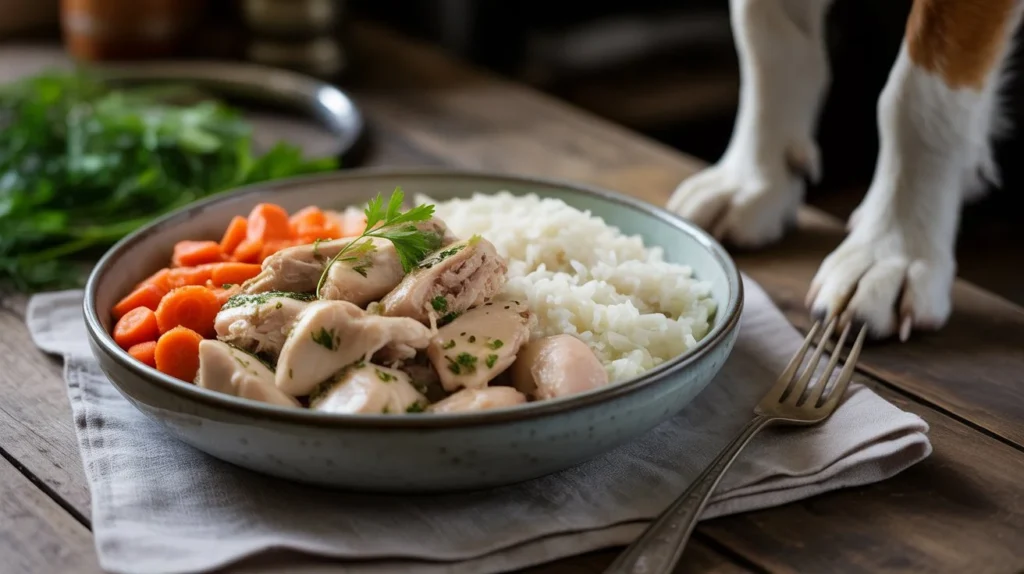

If your dog is constantly scratching, has red irritated skin, or suffers from chronic ear infections and upset stomachs, food allergies could be the hidden cause. Many dog owners are turning to homemade dog food for dogs with allergies for dogs with allergies for dogs with allergies because it gives them full control over exactly what goes into every meal — something impossible with most commercial kibble loaded with fillers, preservatives, and common allergens.
In this guide, we’ll walk through what causes food allergies in dogs, which ingredients to avoid, which ones are safe, and share complete step-by-step recipes you can start making today.

What Are Dog Food Allergies?
A food allergy occurs when a dog’s immune system mistakenly identifies a specific protein in their diet as a threat and launches an inflammatory response. This is different from food intolerance, which is a digestive issue rather than an immune reaction — though both often produce similar symptoms and benefit from the same dietary approach. Recognizing these symptoms early is the first step toward finding the right homemade dog food for dogs with allergies.
According to the American Kennel Club, food allergies account for a smaller percentage of canine allergies than environmental triggers, but remain a common cause of skin and digestive issues.”
Common Symptoms of Food Allergies in Dogs
- Persistent itching, especially around the paws, ears, and belly
- Red, inflamed, or scabbed skin
- Recurrent ear infections
- Chronic diarrhea or soft stool
- Excessive gas or vomiting
- Hair loss or hot spots
- Paw licking or chewing
If your dog shows several of these signs, a conversation with your veterinarian is the right first step, ideally including allergy testing or a supervised elimination diet before making major changes at home.
The Most Common Dog Food Allergens
When building homemade dog food for dogs with allergies, understanding which ingredients tend to trigger reactions is essential.
- Beef
- Dairy
- Chicken
- Wheat
- Egg
- Soy
- Corn
Interestingly, these are also some of the most common proteins and grains used in commercial dog food — which is exactly why so many allergic dogs improve dramatically once switched to a controlled homemade diet.
Why Homemade Food Helps Dogs with Allergies
Store-bought dog food, even “premium” brands, often contains multiple protein sources, fillers, and additives in a single product. This makes it nearly impossible to identify which specific ingredient is causing a reaction.
homemade dog food for dogs with allergies offers three major advantages:
- Full ingredient control — you know exactly what’s in every bowl
- Easier elimination testing — you can introduce or remove one ingredient at a time
- No hidden allergens — no mystery “animal byproducts” or artificial fillers
Safe, Novel Protein and Ingredient Options
Choosing the right novel protein is one of the most important steps in preparing homemade dog food for dogs with allergies.
For dogs with suspected allergies, vets often recommend starting with a “novel protein” — a protein source the dog hasn’t eaten before, since prior exposure is what triggers most allergic responses.
Safe Proteins to Try
- Turkey
- Rabbit
- Duck
- Venison
- White fish (like cod or whiting)
Safe Carbohydrates
- Sweet potato
- Pumpkin
- Oats (if grain sensitivity isn’t confirmed)
- Quinoa
Safe Vegetables
- Green beans
- Carrots
- Zucchini
- Spinach (in moderation)
Ingredients to Avoid
- Beef, chicken, and dairy (unless previously tolerated)
- Wheat, corn, and soy
- Artificial preservatives or flavoring
- Any ingredient the dog has reacted to before
Homemade Dog Food Recipes for Allergy-Prone Dogs
Below are three tested homemade dog food recipes for dogs with allergies, each built around a novel protein source.
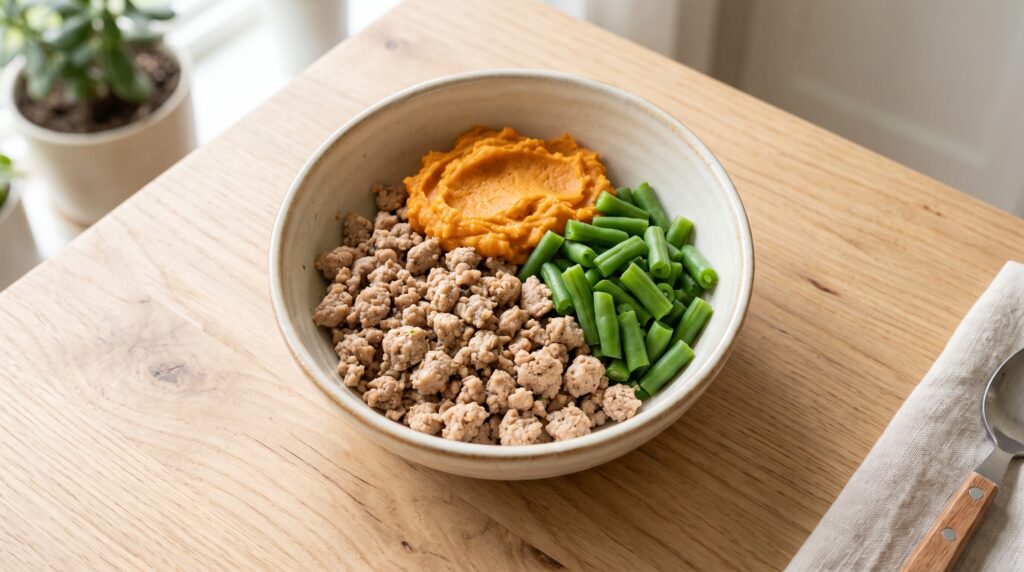
Recipe 1: Turkey and Sweet Potato Bowl
Ingredients:
- 1 lb ground turkey (fully cooked)
- 1 cup mashed sweet potato
- 1/2 cup steamed green beans, chopped
- 1 tablespoon fish oil (omega-3 support for skin health)
Instructions:
- Cook the ground turkey thoroughly in a pan over medium heat, breaking it apart as it cooks.
- Steam the sweet potato until soft, then mash without added butter or salt.
- Steam the green beans separately and chop into small pieces.
- Combine all ingredients in a large bowl and mix well.
- Stir in fish oil once the mixture has cooled slightly.
- Portion into airtight containers and refrigerate for up to 4 days, or freeze for up to 3 months.
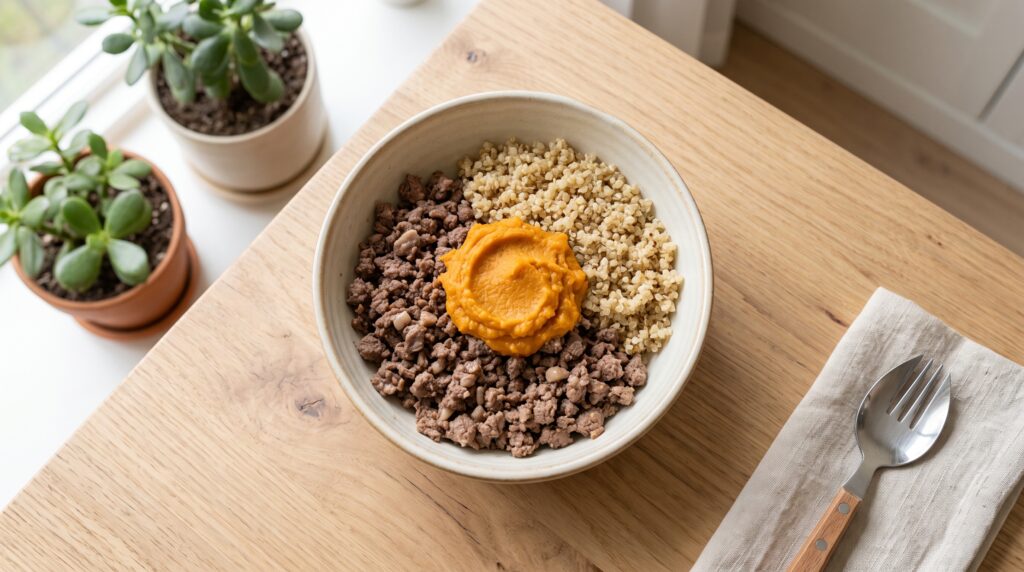
Recipe 2: Duck and Quinoa Skin-Soothing Meal
Ingredients:
- 1 lb ground duck (fully cooked)
- 3/4 cup cooked quinoa
- 1/2 cup pureed pumpkin (plain, not pie filling)
- 1 teaspoon coconut oil
Instructions:
- Cook the ground duck thoroughly, draining excess fat.
- Cook quinoa according to package instructions, using water only.
- Mix the cooked duck, quinoa, and pumpkin puree together.
- Stir in coconut oil once cooled, which supports skin and coat health.
- Store in the refrigerator for up to 4 days or freeze in individual portions.
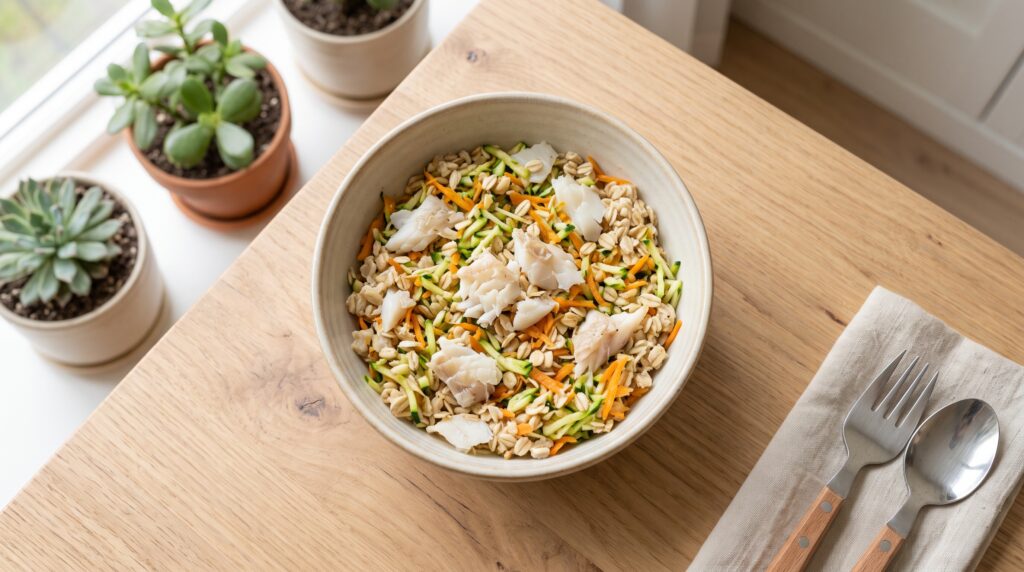
Recipe 3: White Fish and Vegetable Medley
Ingredients:
- 1 lb white fish fillet (cod or whiting), fully cooked and deboned
- 1 cup cooked oats
- 1/2 cup shredded zucchini, cooked
- 1/2 cup shredded carrot, cooked
Instructions:
- Poach or bake the fish until fully cooked, then flake it into small pieces, checking carefully for bones.
- Cook the oats separately according to package instructions.
- Steam the zucchini and carrot until soft.
- Combine all ingredients and mix thoroughly.
- Cool completely before serving or storing.
How to Transition Your Dog to a New Diet
Switching foods too quickly can cause digestive upset, even with hypoallergenic ingredients. Follow this gradual transition over 7–10 days:
| Days | Old Food | New Homemade Food |
|---|---|---|
| 1–2 | 75% | 25% |
| 3–4 | 50% | 50% |
| 5–6 | 25% | 75% |
| 7+ | 0% | 100% |
Monitor your dog’s stool, energy, and skin condition throughout the transition. Improvement in allergy symptoms typically takes 8 to 12 weeks of consistent feeding, since skin cells and coat health take time to regenerate.
This gradual approach helps your dog adjust smoothly to their new homemade diet for allergies.
Running an Elimination Diet at Home
If you’re not sure which ingredient is causing your dog’s allergy, an elimination diet is the gold standard approach:
- Choose one novel protein and one novel carbohydrate your dog has never eaten.
- Feed only this combination for 8–12 weeks, with no treats, table scraps, or flavored medications.
- Monitor symptoms closely and keep a simple daily log.
- If symptoms improve, reintroduce one new ingredient every 1–2 weeks to identify the specific trigger.
This process requires patience, but it’s the most reliable way to pinpoint exactly what’s causing your dog’s reaction.
An elimination diet paired with homemade dog food for dogs with allergies remains the most reliable method to identify triggers.
When to Consult Your Veterinarian
Homemade diets can be a powerful tool for managing food allergies, but they should complement — not replace — veterinary guidance. Talk to your vet before starting if your dog:
- Has lost significant weight
- Shows signs of severe or worsening allergic reaction
- Has other underlying health conditions (kidney disease, diabetes, pancreatitis)
- Needs a long-term homemade diet, which should be reviewed by a vet or veterinary nutritionist to ensure balanced nutrition
Frequently Asked Questions
How long does it take to see improvement in a dog’s food allergies?
Most dogs show noticeable improvement within 8 to 12 weeks of consistent feeding on homemade dog food for dogs with allergies, though mild cases may improve sooner.
Can puppies have food allergies? Yes, though true food allergies are less common in puppies than environmental allergies. If symptoms appear, consult your vet before changing their diet, since puppies have specific nutritional needs for growth.
Is grain-free always better for allergic dogs? Not necessarily. Grain allergies are less common than protein allergies. Removing grains unnecessarily can also reduce dietary variety, and grain-free formulas have been linked to other health concerns in some studies. Always base ingredient choices on your dog’s specific triggers.
Do I need to add supplements to homemade dog food for dogs with allergies? Yes, in most cases. A calcium source, essential fatty acids, and a complete vitamin-mineral supplement are typically necessary for a nutritionally balanced homemade diet. Consult a veterinary nutritionist to formulate a complete recipe for long-term feeding.
Final Thoughts
Managing food allergies in dogs takes patience, observation, and the right ingredients — but homemade dog food for dogs with allergies gives you the control that store-bought options simply can’t match. By choosing novel proteins, avoiding common allergens, and following a structured elimination process, you can help your dog find lasting relief and get back to a happier, itch-free life.

Have you tried homemade meals for your dog’s allergies? Share your experience in the comments below, or explore our other homemade dog food for dogs with allergies guides for more recipes tailored to specific health needs.