Chicken liver for dogs is one of the most nutrient-dense organ meats you can add to your pet’s daily bowl. Packed with bioavailable iron, zinc, and B-complex vitamins, this affordable superfood can transform an ordinary meal into an irresistible culinary experience.
However, organ meats operate under strict physiological boundaries. While muscle meat provides daily protein, liver functions biochemically as an endocrine powerhouse. Fed correctly, it delivers essential micronutrients; fed excessively, it can trigger severe metabolic complications.
Understanding the balance between nutritional therapy and physiological overload is essential before serving chicken liver to your dog.
The Nutritional Profile: Why Chicken Liver is “Nature’s Multivitamin”
Chicken liver is significantly more nutrient-dense than standard muscle cuts like chicken breast or thigh. It is packed with bioavailable vitamins, essential trace minerals, and complete proteins:
- Preformed Vitamin A (Retinol): Crucial for cellular differentiation, ocular health, dermatological integrity, and adaptive immune response.
- Heme Iron: A bioavailable form of dietary iron that integrates directly into red blood cell hemoglobin, optimizing oxygen transport throughout tissue networks.
- B-Complex Vitamins (B2, B3, B9, and B12): Essential cofactors for mitochondrial energy production, neurological stability, and DNA synthesis.
- Zinc and Copper: Vital minerals operating in precise biological ratios to maintain coat pigmentation, enzymatic activity, and wound recovery.
- Essential Fatty Acids: Supplies both omega-3 and omega-6 fatty acids that nourish the epidermal lipid barrier.
The Clinical Risk: Hypervitaminosis A and the “5% Rule”
The primary danger associated with feeding chicken liver is Hypervitaminosis A (toxic accumulation of Vitamin A).
Unlike water-soluble vitamins (such as Vitamin C and B-complex) which flush out safely through renal filtration when consumed in excess, Vitamin A is fat-soluble. It is transported directly to the canine liver and stored inside hepatic stellate cells.
When a dog receives excessive amounts of liver over weeks or months, these storage sites saturate, releasing toxic unbound retinol into systemic circulation.
Symptoms of Chronic Vitamin A Toxicity in Dogs:
- Joint stiffness and reluctance to walk or climb stairs.
- Pathological bone spur development (exostoses), particularly along the cervical spine.
- Lethargy, dull coat, and progressive weight loss.
- Extreme skeletal pain upon palpation.
- Severe osmotic diarrhea and digestive distress caused by rich organ fats.
The Golden Dietary Rule: The 5% Threshold
Veterinary nutritionists establish that secreting organ meats (primarily liver) should never exceed 5% of a dog’s total weekly diet by weight.
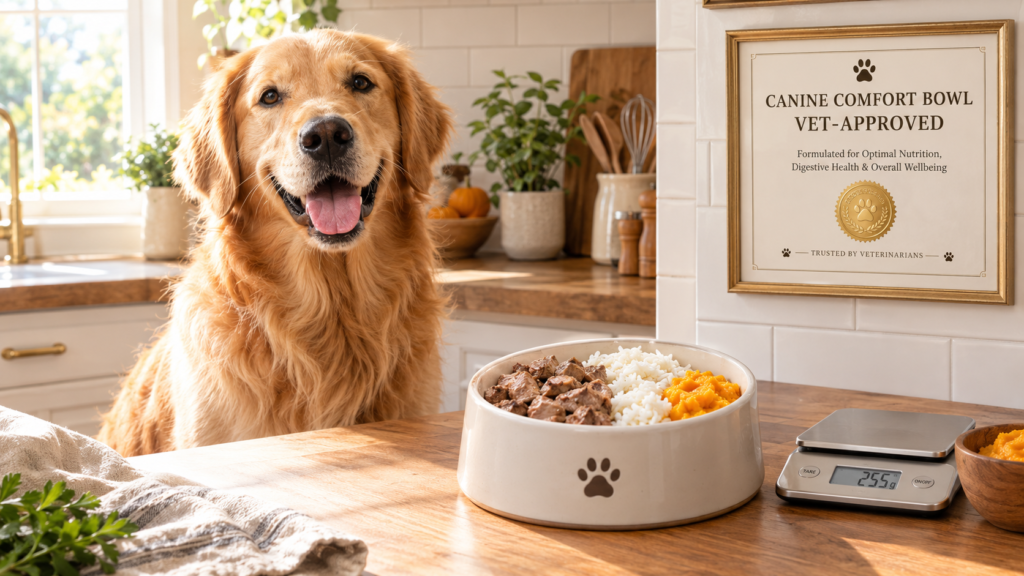
Vet-Approved Portion Guidelines by Dog Weight
To prevent gastric upset and eliminate any risk of toxicity, divide your dog’s weekly organ allotment across 2 to 3 separate meals rather than serving it all at once.
| Dog Classification | Body Weight Range | Recommended Daily Serving (Fed 2–3x Weekly) | Maximum Weekly Intake |
| Toy Breeds | 5 – 11 lbs (2 – 5 kg) | 5 – 10 grams (~1 bite-sized piece) | 20 – 25 grams |
| Small Breeds | 12 – 22 lbs (6 – 10 kg) | 10 – 15 grams (~½ liver lobe) | 30 – 45 grams |
| Medium Breeds | 23 – 55 lbs (11 – 25 kg) | 20 – 30 grams (~1 whole lobe) | 60 – 90 grams |
| Large Breeds | 56 – 88 lbs (26 – 40 kg) | 35 – 50 grams (~1.5 to 2 lobes) | 100 – 150 grams |
| Giant Breeds | 89+ lbs (40+ kg) | 50 – 70 grams (~2 to 3 lobes) | 150 – 200 grams |
Note: If your dog has a pre-existing hepatic condition (such as copper storage hepatopathy) or chronic pancreatitis, consult your veterinary professional before introducing organ meats.
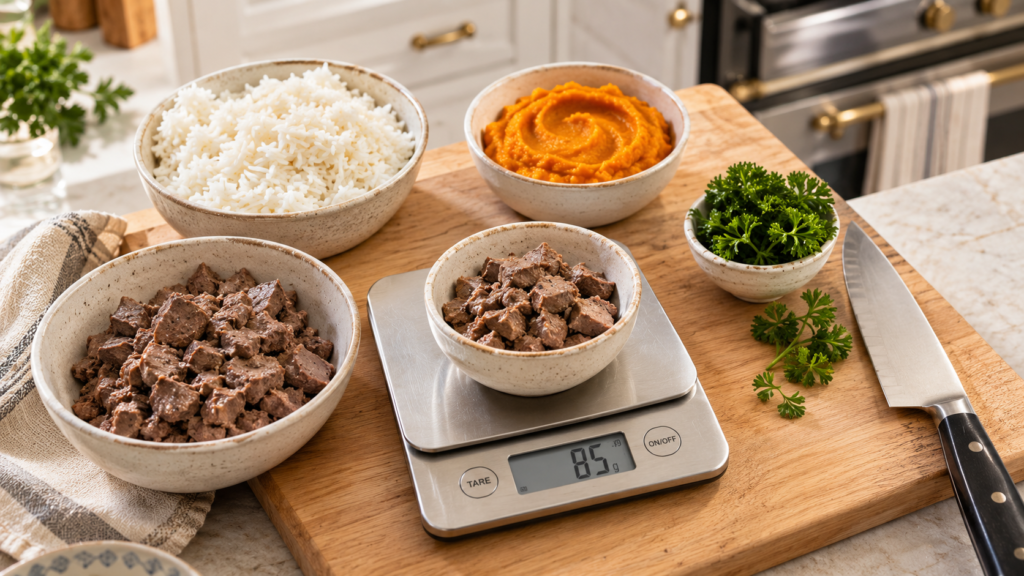
Safe Preparation: How to Cook Chicken Liver for Dogs
While wild canids consume raw prey, domesticated dogs benefit substantially from gentle thermal preparation. Cooking eliminates common pathogens like Salmonella, Campylobacter, and Listeria without depleting heat-stable trace minerals.
The Gentle Poaching Method
- Rinse & Inspect: Rinse fresh, raw chicken livers thoroughly under cold water. Trim away any excessive yellow connective fat or discolored bile residues.
- Simmer in Plain Water: Place the livers in a saucepan and submerge them entirely in water or sodium-free bone broth. Bring to a gentle simmer over medium-low heat for 8 to 10 minutes.
- Check Internal Temperature: Ensure the internal temperature reaches 165°F (74°C). The center should be firm and light tan to slightly pink, with no raw red fluids.
- Cool & Portion: Let the liver cool completely to room temperature before dicing into bite-sized morsels appropriate for your dog’s size.
🚫 Crucial Kitchen Warning: Never use cooking oils, butter, table salt, onions, garlic, shallots, or store-bought seasoning blends. Allium species (garlic and onions) induce severe hemolytic anemia in canines and are strictly toxic.
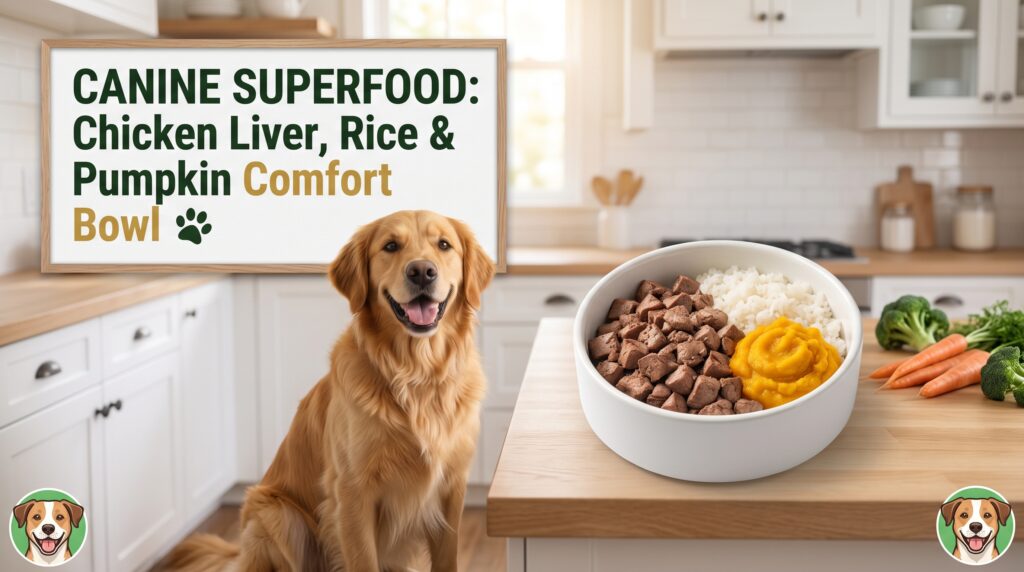
The Recipe: Digestive Reset Liver & Pumpkin Bowl
If your dog is recovering from minor appetite loss or you want to provide a wholesome weekend topper, this gentle combination delivers balanced fiber and bioavailable nutrients.
Ingredients:
- Measured cooked chicken liver (calculated from the portion table above).
- ½ cup overcooked plain long-grain white rice (provides gentle, easily digestible glucose).
- 1 to 2 tablespoons 100% pure unsweetened pumpkin purée (supplies soluble fiber to balance rich organ fats).
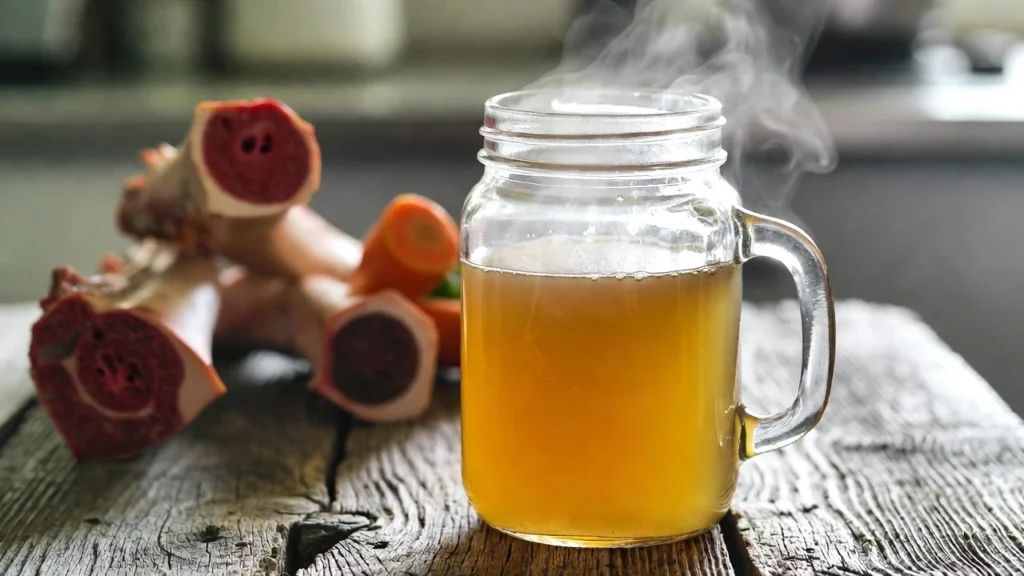
- 2 tablespoons warm, unsalted canine homemade bone broth.
Directions:
- Mash the warm white rice together with the pure pumpkin purée in your dog’s dish.
- Stir in the warm bone broth to create a smooth, hydrating base.
- Scatter the measured diced chicken liver across the top as a nutrient-dense garnish.
- Serve immediately at room temperature.
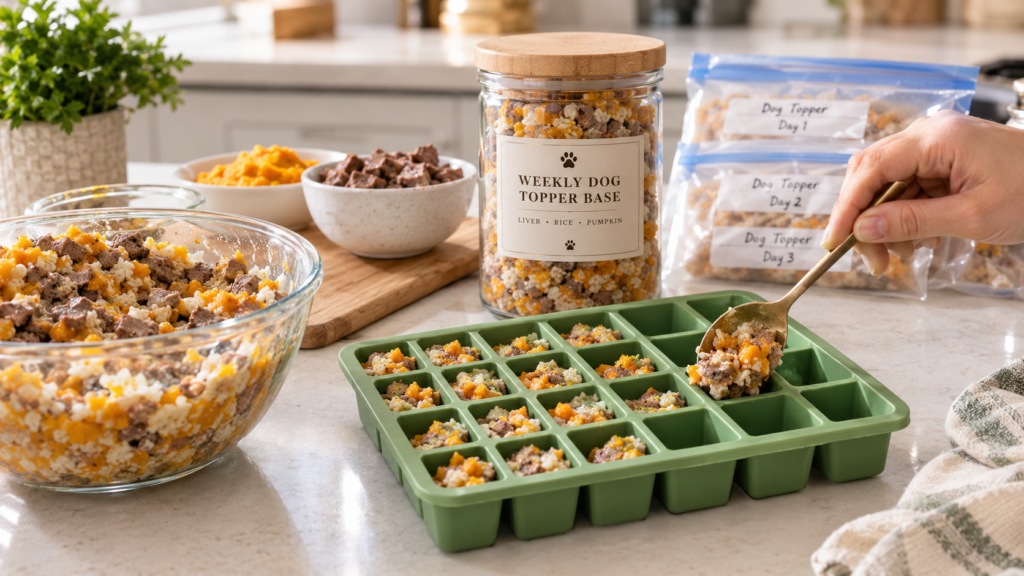
Storage & Meal Prep Best Practices
Because fresh liver degrades rapidly, systematic storage prevents bacterial proliferation and saves preparation time:
- Refrigeration: Store poached liver in a sealed glass container for up to 72 hours.
- Batch Freezing: Dice the cooked liver into individual single-meal servings. Arrange them on parchment paper or place them into silicone cube trays, freeze solid, and transfer to an airtight freezer bag. Frozen portions remain nutritionally stable for up to 3 months. Thaw single portions overnight in the refrigerator before feeding.
Frequently Asked Questions (FAQ)
Can puppies eat chicken liver?
Yes, but in strictly controlled amounts. Puppies require carefully calibrated calcium-to-phosphorus ratios and controlled Vitamin A levels to support proper skeletal development. Keep liver strictly within 3% to 5% of their total diet, or consult a board-certified veterinary nutritionist.
Is raw chicken liver better than cooked?
While raw liver retains slightly higher levels of heat-sensitive B vitamins, raw poultry carries high rates of Campylobacter and Salmonella contamination. Gentle poaching neutralizes bacterial pathogens while preserving the iron, zinc, and Vitamin A profile.
Can chicken liver cause diarrhea?
Yes. Liver is an exceptionally rich, nutrient-dense organ containing unrefined fats. Introducing too much liver too quickly often causes osmotic loose stools or dark feces. Always begin with a micro-portion (half the recommended daily allotment) and monitor stool consistency over 48 hours.
(Disclaimer: This guide is intended for educational purposes and does not replace individualized diagnostic care from a licensed veterinary practitioner.)
“According to the Merck Veterinary Manual, excessive dietary Vitamin A triggers joint stiffness and bone spurs in dogs.”