Best Vegetables for Dogs: Complete Safe Guide

Best Vegetables for Dogs: Complete Safe Guide

Best Vegetables for Dogs: Complete Safe Guide
If you have ever handed your dog a piece of carrot and watched their tail spin like a helicopter, you already know that many dogs genuinely enjoy vegetables. But beyond being a tasty snack, the right vegetables added to your dog’s diet in the right amounts and prepared in the right way can provide meaningful nutritional benefits that support their health from the inside out.
The topic of vegetables for dogs is simpler than many owners expect but also more nuanced than simply grabbing whatever is in the refrigerator and tossing it in the bowl. Some vegetables are outstanding additions to a dog’s diet. Others are safe but best served in limited amounts. A small number are genuinely toxic and must never be given to a dog under any circumstances. And the way you prepare and serve vegetables makes a significant difference in how much nutritional value your dog actually absorbs from them.
This complete guide covers everything you need to know about the best vegetables for dogs. You will learn which vegetables are the most beneficial and why, exactly how to prepare and serve each one safely, how much to give based on your dog’s size, which vegetables must be avoided entirely, how to introduce vegetables to a dog that has never eaten them, and creative ways to incorporate vegetables into your dog’s daily meals and homemade treats.
Why Vegetables Are Worth Adding to Your Dog’s Diet
Dogs are primarily carnivores whose nutritional foundation is built on animal protein and fat. Unlike humans, dogs do not require vegetables to meet their baseline nutritional needs when they are eating a well-formulated complete diet. However, this does not mean vegetables have nothing to offer. The right vegetables can support digestion, boost immune function, and help manage weight and inflammation when served in moderation and prepared properly alongside a dog’s primary diet. It Doesn’t Taste Like Chicken
While dogs are omnivores and primarily thrive on animal-based proteins and fats, they can digest certain vegetables and benefit from their fiber, phytonutrients, and antioxidants in meaningful ways. The antioxidants in colorful vegetables neutralize free radicals that contribute to cellular aging and chronic inflammation. The dietary fiber in vegetables supports healthy digestion, promotes beneficial gut bacteria, and contributes to a feeling of fullness that helps manage weight in dogs prone to overeating. The vitamins and minerals in various vegetables fill micronutrient gaps and support everything from immune function and eye health to coat quality and bone density. Balance It
Adding vegetables to meals or using them in homemade treats boosts your dog’s health and provides vitamins, minerals, fiber, and hydration while keeping treats healthy and low-calorie. For dog owners preparing homemade food, vegetables are an essential component of a nutritionally complete recipe. For dog owners supplementing commercial kibble, a small amount of the right vegetables added to each meal provides a simple, affordable, and genuinely beneficial nutritional upgrade. Dog Treat Kitchen
The key rules are straightforward: choose safe vegetables, prepare them appropriately, serve in appropriate portions, and introduce new vegetables one at a time. With those principles in place, vegetables become one of the simplest and most rewarding additions to your dog’s daily nutrition routine.
The 10 Best Vegetables for Dogs
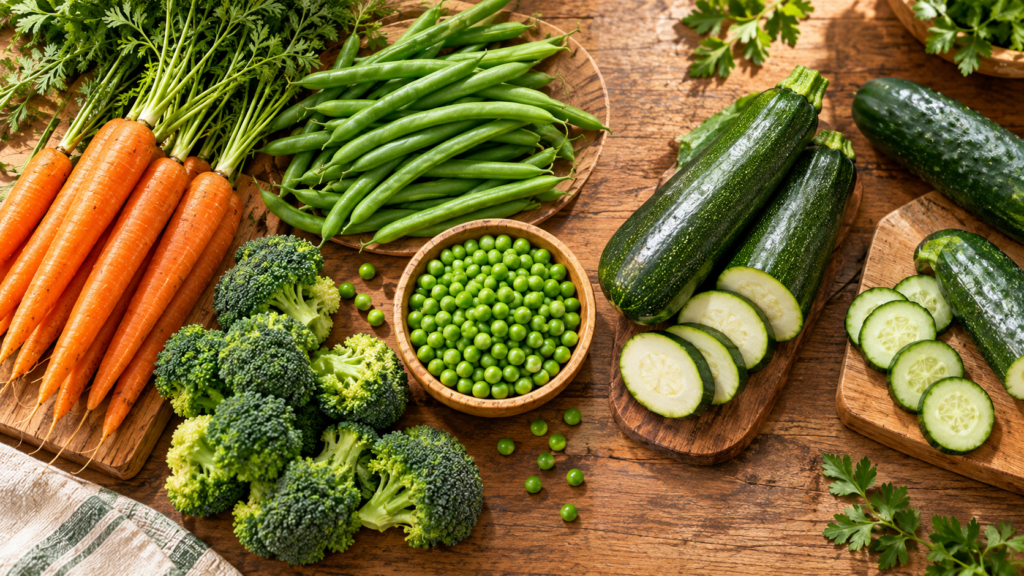
Carrots
Carrots are one of the most universally recommended vegetables for dogs and for excellent reasons. Beta-carotene, the antioxidant that gives carrots their vibrant color, has potent disease-fighting properties and supports eye health, immune function, and skin vitality. Carrots are naturally low in calories, high in dietary fiber, and rich in vitamin K, potassium, and B vitamins alongside their exceptional beta-carotene content. Balance It
One of the most practical things about carrots for dogs is their versatility in preparation. Raw carrots provide a satisfying crunch that many dogs enjoy as a standalone treat, and the mechanical action of chewing raw carrot helps remove plaque from tooth surfaces, providing a natural dental cleaning benefit. Carrots can be shredded, chopped, or given whole as a long-lasting dental chew, and freezing them makes gum-massaging snacks that are particularly soothing for teething puppies. Lightly steamed carrots become soft and easily digestible and blend seamlessly into homemade food recipes. Balance It
How to serve: Raw baby carrots as treats, shredded raw carrot mixed into meals, or lightly steamed and chopped into food. Remove any green tops before serving as these can cause digestive upset.
Serving guideline: Approximately one quarter of a medium carrot per 10 pounds of body weight per day is a practical and safe daily amount.
Green Beans
Green beans are a nutritional powerhouse for dogs and one of the best vegetables for dogs managing their weight. Low in calories and full of vitamins C and K, green beans are perfect for weight management and can even replace up to five percent of a dog’s regular meals to support weight loss without nutritional compromise. Beyond their caloric efficiency, green beans provide iron, calcium, magnesium, and a satisfying volume and crunch that dogs find genuinely enjoyable. Chewy
Green beans are one of the few vegetables that dogs can eat in relatively generous amounts without risk of digestive upset or caloric excess. For overweight dogs, replacing a portion of their regular meal with steamed green beans maintains meal volume, keeps the dog feeling satisfied, and simultaneously reduces total caloric intake.
How to serve: Fresh, frozen and thawed, or lightly steamed. Avoid canned green beans with added sodium as the salt content is inappropriate for dogs. Chop into bite-sized pieces for small and medium dogs. Chewy
Serving guideline: A small handful per meal is appropriate for most dogs. During active weight loss, green beans can constitute up to 10 percent of the daily meal volume.
Sweet Potato
Sweet potato is one of the most nutrient-dense vegetables a dog can eat and a beloved staple of homemade dog food recipes across every category on this site. Sweet potatoes are high in fiber, vitamin A through beta-carotene, and antioxidants that support digestion and provide lasting energy without causing rapid blood sugar spikes. Chewy
Beyond its headline nutrients, sweet potato provides potassium for heart and muscle health, vitamin C for immune support, vitamin B6 for brain function, and manganese for bone development. Its natural sweetness makes it one of the vegetables dogs accept most readily, even picky eaters who reject other vegetables typically enjoy sweet potato enthusiastically.
How to serve: Always cook sweet potato before serving. Boil, steam, or bake until completely soft, then mash or cube. Never serve raw sweet potato as it is difficult for dogs to digest. Remove the skin before serving for optimal digestibility.
Serving guideline: Approximately one quarter cup of mashed sweet potato per 20 pounds of body weight, two to three times per week when used as a supplement to a complete diet.


Broccoli
Broccoli is a genuine superfood for dogs when served in appropriate amounts. Broccoli stalks boost immunity, help ward off cancer, and fight arthritic inflammation, though large portions can cause gas due to the high fiber content. The sulforaphane compound in broccoli has been studied for its role in reducing cellular oxidative stress and inflammation throughout the body, making it particularly valuable for senior dogs managing joint issues and older dogs whose immune systems benefit from consistent antioxidant support. Balance It
Broccoli also provides vitamin C, vitamin K, folate, chromium, and calcium alongside its sulforaphane content. Both the florets and the stalks are safe for dogs, with the stalks providing a more pronounced crunch when raw and a softer texture when cooked.
How to serve: Steam or lightly cook broccoli for easier digestion and feed in moderation to avoid gas. Chop finely after cooking for easy mixing into meals. Raw broccoli florets can be offered as occasional treats for dogs that enjoy a crunchy snack. Chewy
Serving guideline: Broccoli should make up no more than ten percent of a dog’s daily food intake to prevent the gas and digestive discomfort associated with larger portions. A few small florets two to three times per week is ideal for most dogs.
Pumpkin
Plain canned pumpkin is one of the most therapeutically useful vegetables in any dog owner’s pantry and appears in multiple recipes throughout this site for very good reason. Pumpkin is a fiber-rich vegetable that aids digestion and regulates bowel movements effectively, making cooked pureed pumpkin ideal for both constipation and diarrhea. Chewy
The soluble fiber in pumpkin absorbs excess water in loose stools, firming them up, while its bulk-forming properties also help move sluggish digestive systems more regularly. This bidirectional digestive regulation makes pumpkin uniquely versatile as a digestive support tool. Beyond its fiber contribution, pumpkin provides beta-carotene, potassium, zinc, iron, and vitamin C.
How to serve: Plain canned pumpkin puree, confirmed free of added sugar, spices, and flavorings. One to three teaspoons stirred into a meal is sufficient for most dogs. Fresh pumpkin cooked until very soft and pureed is equally appropriate.
Serving guideline: One teaspoon per 10 pounds of body weight per day as a regular digestive supplement. Increase temporarily to two teaspoons per 10 pounds during episodes of mild loose stools or constipation.
Zucchini
Zucchini is low in calories and high in hydration, making it ideal for weight-conscious dogs, and can be sliced raw or lightly steamed and easily mixed into meals or offered as a snack. Zucchini provides vitamin B6, riboflavin, potassium, manganese, and vitamin C in a very low-calorie, high-water vegetable that most dogs accept well either raw or cooked. Chewy
One of the standout qualities of zucchini as a dog vegetable is its extremely mild flavor, which makes it easy to add to homemade food without altering the overall taste profile of the meal. Dogs that resist more strongly flavored vegetables like broccoli or spinach typically accept zucchini without hesitation. Its high water content also contributes to daily hydration, which is beneficial for all dogs but especially valuable for senior dogs that do not drink enough water throughout the day.
How to serve: Sliced raw as a treat or snack, diced raw mixed into food, or lightly steamed and added to homemade recipes. No preparation is needed beyond washing and removing the ends. The skin is safe and nutritious.
Serving guideline: Zucchini can be given generously as a low-calorie treat or food addition. A few slices per day is appropriate for most dogs with no strict upper limit given its extremely low caloric contribution.
Spinach
Spinach contains iron, calcium, and antioxidants that support a healthy immune system and is one of the most nutrient-dense leafy greens available for dogs. Spinach also provides vitamin K, vitamin A, folate, magnesium, and vitamin C alongside its iron and calcium contributions. The antioxidants in spinach, particularly lutein and zeaxanthin, support eye health and cellular protection from oxidative stress. Chewy
One important consideration with spinach is its oxalate content. Oxalic acid found in spinach can interfere with calcium absorption and, in very large amounts given consistently, may contribute to kidney stone formation in dogs with a predisposition to urinary issues. This does not make spinach dangerous for healthy dogs in normal portions, but it does mean that spinach should be served in modest amounts as one rotating vegetable among many rather than as a daily staple.
How to serve: Lightly steamed and finely chopped, then mixed into food. Cooking reduces the oxalate content meaningfully. Raw spinach can be given occasionally as a treat but is less digestible than cooked spinach for most dogs.
Serving guideline: A small handful of finely chopped steamed spinach two to three times per week is appropriate for most dogs. Dogs with a history of bladder stones or kidney disease should avoid spinach or discuss portion safety with their veterinarian.
Cucumber
Cucumbers are super water-dense, keeping dogs hydrated while providing a low-calorie snack packed with vitamins C, K, and potassium. Bonus: cucumbers contain phytochemicals that may reduce plaque and improve your dog’s breath. Cucumber is one of the few vegetables that can be given fairly freely without concern about caloric excess or digestive disruption, making it an excellent hot-weather snack and a low-guilt reward during training sessions. Bob’s Red Mill
The extremely high water content of cucumber, approximately 95 percent water by weight, makes it an exceptional hydration supplement for dogs that do not drink enough water on their own. On warm days, chilled cucumber slices provide a refreshing, cooling treat that most dogs find highly appealing.
How to serve: Sliced or diced raw. Remove the seeds for dogs with very sensitive digestion, though most dogs tolerate cucumber seeds without issue. Do not serve pickled cucumber as the vinegar, salt, and spices in pickles are inappropriate for dogs.
Serving guideline: Dogs can eat cucumbers freely with no strict daily limits given their extremely low caloric contribution. A few slices per day is a practical and appropriate amount. Bob’s Red Mill
Celery
Celery keeps dogs hydrated, provides vitamins A, C, and potassium, and has a natural abrasive quality that helps clean teeth. The high water content of celery supports hydration and its fibrous texture provides a mild mechanical cleaning action on tooth surfaces similar to the effect of raw carrot. Celery also contains natural compounds that are thought to support kidney function and fresh breath. Bob’s Red Mill
How to serve: Cut into small, appropriately sized pieces to prevent choking. The strings in celery can be a concern for very small dogs so cutting celery into small cross-sectional pieces rather than long sticks eliminates this risk. Raw celery offers more dental cleaning benefit than cooked, but lightly steamed celery blends well into homemade food recipes.
Serving guideline: A few small pieces per day as a treat or food addition is appropriate for most dogs. Large amounts can have a mild diuretic effect due to celery’s natural phthalide content, so moderation applies.
Peas
Peas are packed with vitamins A, K, and B vitamins plus minerals like iron and can be mixed into meals or fed as a small snack. Fresh or frozen peas provide plant-based protein alongside their vitamin and mineral content, making them a useful addition to vegetable-forward homemade recipes. Their small size makes them immediately accessible to dogs of all sizes without any preparation beyond thawing if frozen. Chewy
An important note from the grain free diet discussion in Article #10 of this site: peas in very large amounts as a dominant dietary carbohydrate source have been associated with the DCM cardiac concern in dogs. This concern applies to diets where peas are the primary carbohydrate ingredient, not to modest amounts of peas used as a vegetable addition alongside a varied complete diet. Used in appropriate portions as one vegetable among many, peas are safe and nutritious for the vast majority of healthy dogs.
How to serve: Fresh, frozen, or thawed. Mix into meals or offer as a small snack. Always avoid canned peas with added sodium. Never give dogs peas still in the pod unless the pod is soft as hard pod strings can cause digestive obstruction. Chewy
Serving guideline: A tablespoon of peas per 20 pounds of body weight per day as a food addition is appropriate. Avoid using peas as a dominant carbohydrate source in any homemade recipe.
Vegetables to Avoid Giving Your Dog
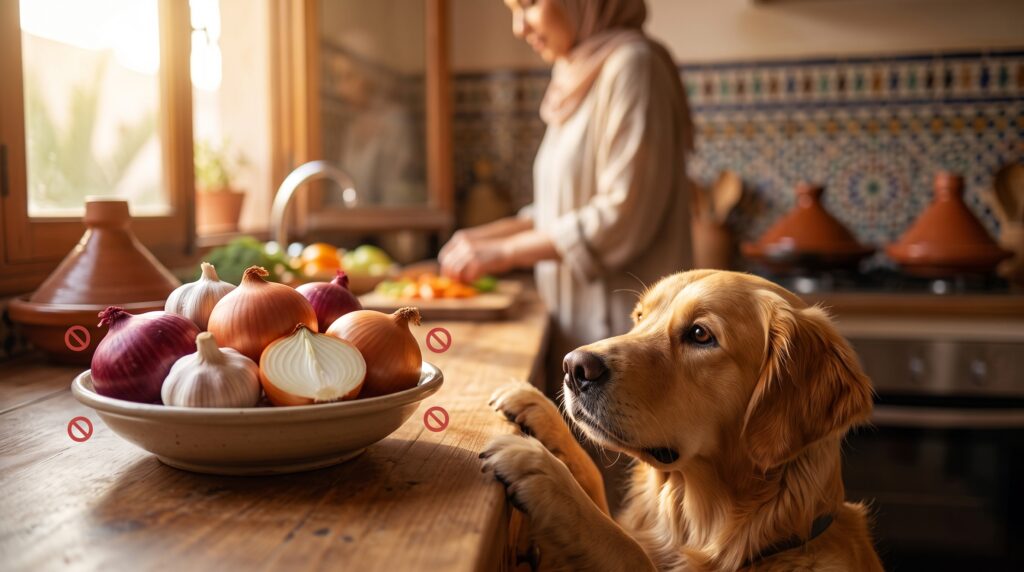
Some vegetables like onions, garlic, avocado, and raw potatoes are toxic to dogs, and owners should always double-check before feeding any new vegetable. A complete understanding of which vegetables are dangerous is just as important as knowing which ones are beneficial. Dog Treat Kitchen
Onions, garlic, leeks, chives, shallots, and scallions in every form including raw, cooked, dried, and powdered are toxic to dogs. These Allium family vegetables contain thiosulfate compounds that damage red blood cells and cause hemolytic anemia. Even small regular amounts build up over time to cause serious harm. This toxicity applies to garlic powder and onion powder in seasoning blends as well as fresh vegetables, so always read ingredient labels on any food near your dog.
Raw potatoes, especially green ones, contain solanine, which is toxic to dogs. Rhubarb is also dangerous for dogs as it contains oxalic acid at levels that can cause kidney damage. Avocado contains persin in its skin, pit, and flesh that is harmful to dogs. Wild mushrooms of unknown species should never be given to dogs as many are highly toxic, and even some cultivated mushroom varieties cause digestive upset in sensitive dogs. Wyse Guide
Unripe tomatoes and tomato plant leaves and stems contain solanine and tomatine compounds that are toxic to dogs. Ripe red tomato flesh in very small amounts is considered low risk but provides no meaningful benefit and is best avoided given the toxicity of other parts of the plant.
Corn on the cob must never be given to dogs even though plain corn kernels are safe in small amounts. The cob itself is completely indigestible and causes intestinal obstruction requiring emergency surgery when swallowed by a dog of any size. Dispose of all corn cobs immediately after meals and never leave them accessible to your dog.
How Much Vegetable Is Too Much
Most dogs can safely eat vegetables every day as long as you follow the ten percent rule: vegetables and treats combined should not make up more than ten percent of the total daily diet. This guideline exists because a dog’s primary nutritional needs are met by their main food, whether commercial or homemade, and vegetables are a supplementary addition rather than a dietary foundation. Dog Treat Kitchen
Exceeding the ten percent guideline consistently disrupts the nutritional balance of the overall diet, can displace the protein and fat intake dogs require for energy and tissue maintenance, and with certain high-fiber vegetables can cause chronic loose stools, gas, or bloating. The ten percent guideline applies to all additions to the base diet combined, including treats, toppers, and vegetable additions.
Practical daily vegetable amounts for a healthy adult dog as additions to their main diet:
A dog weighing under 15 pounds should receive no more than one to two tablespoons of mixed vegetables per day.
A dog weighing 15 to 35 pounds can receive two to four tablespoons of mixed vegetables per day.
A dog weighing 35 to 65 pounds can receive four to six tablespoons per day.
A dog weighing over 65 pounds can receive up to half a cup of mixed vegetables per day across all meals.
These amounts apply to the total daily vegetable addition across all meals combined, not per meal.
How to Prepare Vegetables for Maximum Digestibility
The way you prepare vegetables significantly affects how much nutritional value your dog actually absorbs. Dogs cannot efficiently digest the cellulose cell walls of raw vegetables the way herbivores can, which means a significant proportion of the nutrients in raw whole vegetables pass through the digestive system largely unabsorbed.
Cooking vegetables, whether by steaming, boiling, or baking until soft, breaks down the cellulose structure and makes the nutrients inside the plant cells accessible to your dog’s digestive system. This is why steamed and cooked vegetables are consistently more digestible and more nutritionally available than raw vegetables for dogs, with the exception of vegetables like carrots and cucumber that are soft enough and fibrous enough to provide benefit in raw form.
Finely chopping or pureeing cooked vegetables further improves digestibility by increasing the surface area available for digestive enzymes to work on. For homemade dog food recipes, cooked and finely chopped or mashed vegetables are always the most appropriate preparation method.
Never add salt, butter, oil, garlic, onion, or any seasoning to vegetables prepared for your dog. Human-style vegetable cooking with seasonings and fats is inappropriate for dogs and introduces ingredients that are either toxic, excessively caloric, or unnecessarily high in sodium. Plain cooking with water is always the correct approach.
Introducing Vegetables to a Dog That Has Never Eaten Them
Many dogs that have eaten commercial kibble their entire lives have never experienced fresh vegetables and may approach a new food addition with suspicion or outright rejection. This is normal behavior and requires patience rather than force.
Introduce one new vegetable at a time, starting with the mildest and sweetest options that dogs tend to accept most readily. Carrot, sweet potato, and zucchini are the three best starting points because their natural sweetness and mild flavor profile make them universally appealing even to initially reluctant dogs. Start with a very small amount, no more than half a teaspoon for small dogs and one teaspoon for larger dogs, mixed thoroughly into the regular food so the vegetable is not immediately detectable as something new.
Over three to five days, gradually increase the amount while monitoring your dog for any digestive reaction. Firm, consistent stools and normal energy indicate good tolerance. Loose stools, increased gas, or reduced appetite suggest the amount should be reduced or the specific vegetable replaced with a gentler option.
Once your dog is consistently accepting the first vegetable without any reaction, introduce the second vegetable following the same gradual protocol. Building a rotation of four to five well-tolerated vegetables over four to six weeks gives you a diverse vegetable palette that provides a broad spectrum of nutrients without the monotony of a single vegetable every day.
Creative Ways to Add Vegetables to Your Dog’s Daily Meals
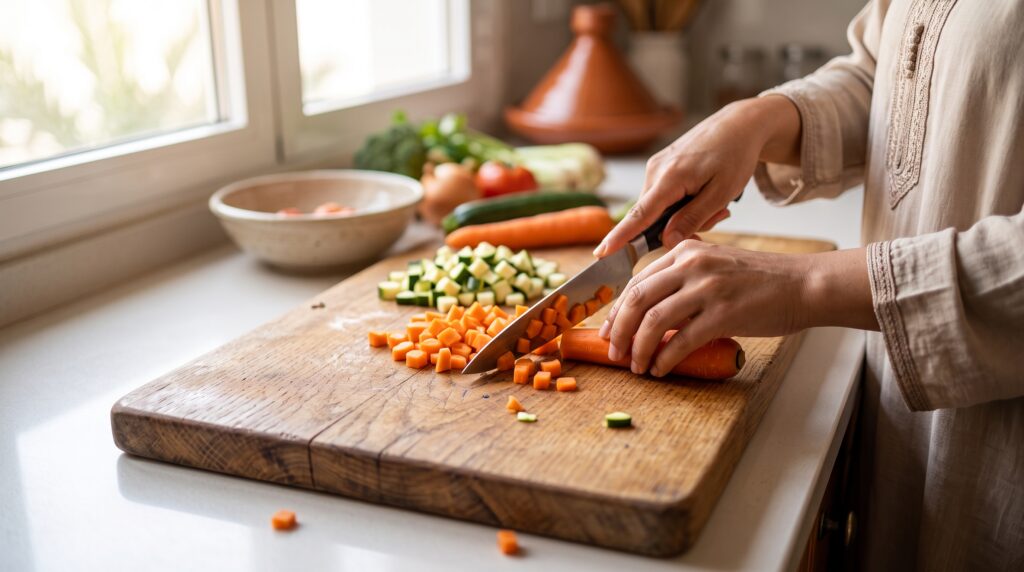
The simplest approach is also the most effective: steam a batch of two or three vegetables at the start of each week, chop them finely, and store them in a sealed container in the refrigerator. Add a spoonful of the mixed vegetable blend to your dog’s regular meal at each feeding. This takes under ten minutes of weekly preparation and ensures consistent daily vegetable nutrition without requiring effort at every individual mealtime.
For dogs that pick around vegetables mixed into their food, blending cooked vegetables into a smooth puree and stirring the puree through the food makes the vegetable addition essentially undetectable in terms of texture while distributing the flavor and nutrition evenly throughout the meal.
Raw carrot sticks, cucumber slices, and celery pieces make excellent low-calorie training rewards that provide dental benefits alongside their nutritional contribution. Replacing calorie-dense commercial training treats with raw vegetable pieces during training sessions reduces daily caloric load without reducing the positive reinforcement value of reward-based training.
Frozen vegetable treats work exceptionally well during warm months. Blend plain pumpkin puree with finely steamed carrot and a small amount of plain yogurt, pour into silicone molds, and freeze into small treats that provide cooling, enrichment, and nutrition simultaneously.
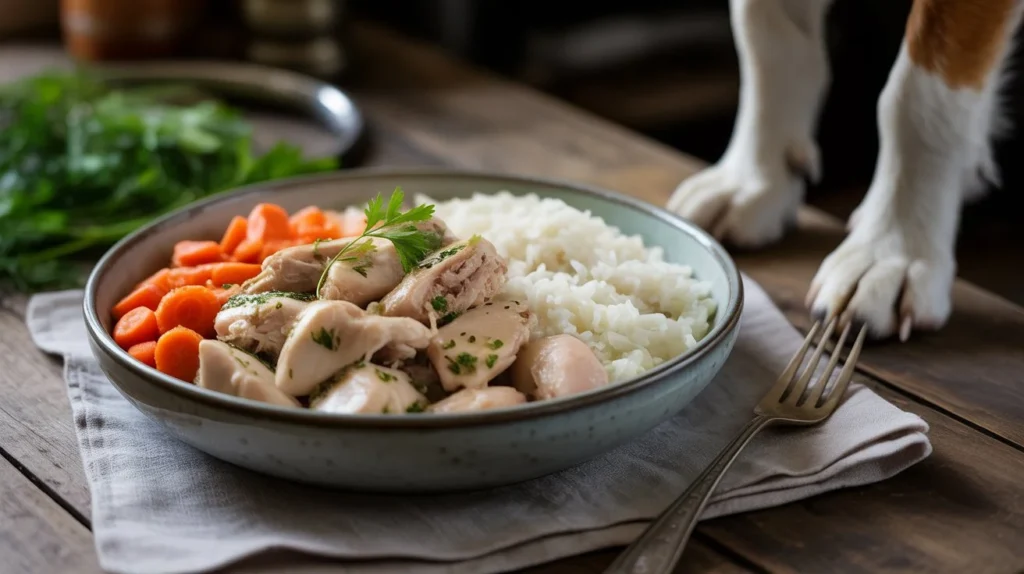
For homemade dog food preparation, the vegetable blend in this guide combines carrots, green beans, broccoli, zucchini, and pumpkin puree in a combination that provides beta-carotene, fiber, vitamin C, vitamin K, potassium, and antioxidants in a form that is compatible with every recipe category on this site, from the basic chicken and rice recipe in Article #1 to the specialized kidney and diabetes diets in Articles #12 and #13.
Seasonal Vegetable Rotation for Year-Round Variety
One of the most enjoyable aspects of adding the best vegetables for dogs to their diet is the ability to rotate seasonally, providing nutritional variety, freshness, and the mental enrichment that comes from new aromas and flavors at mealtime.
In spring and summer, the freshest and most nutritionally vibrant options include zucchini, cucumber, peas, and green beans. These vegetables are at their peak nutritional density and palatability during warmer months and their high water content provides natural cooling and hydration support during hot weather.
In autumn and winter, sweet potato, pumpkin, carrot, and broccoli come into their seasonal best. The denser, warmer flavors of these vegetables suit the heartier homemade recipes that many dog owners gravitate toward during cooler months, and their concentrated antioxidant and vitamin content supports immune function during the seasons when illness is most common.
Rotating through the best vegetables for dogs across seasons keeps mealtime interesting, prevents the flavor fatigue that can develop with any single repeated ingredient, and ensures your dog receives a broader spectrum of phytonutrients than any single-vegetable routine could provide.
Final Thoughts
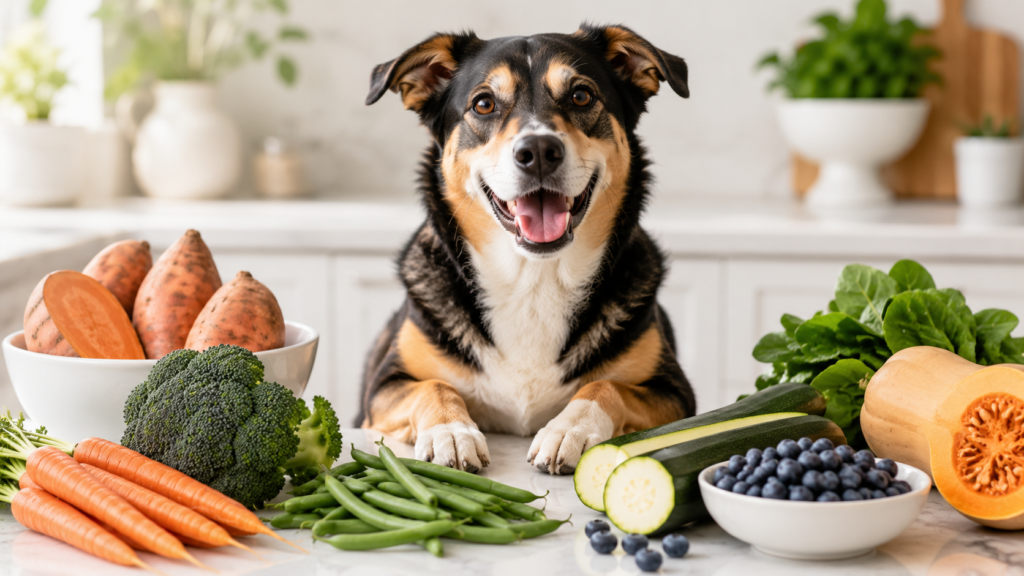
The best vegetables for dogs are not a replacement for a complete, balanced diet but they are a genuinely valuable addition to any feeding routine. Carrots for dental health and beta-carotene, green beans for weight management and fiber, sweet potato for sustained energy and vitamin A, broccoli for anti-inflammatory support, pumpkin for digestive regulation, zucchini for low-calorie hydration, spinach for iron and antioxidants, cucumber for breath and freshness, celery for dental cleaning and vitamins, and peas for plant-based protein and variety.
Start with one vegetable, introduce it gradually, watch how your dog responds, and build from there. The vegetable additions you make consistently over weeks and months accumulate into a meaningful nutritional upgrade that supports your dog’s health, vitality, and quality of life in ways that extend far beyond the bowl.

Leave a Comment

Your email address will not be published. Required fields are marked *