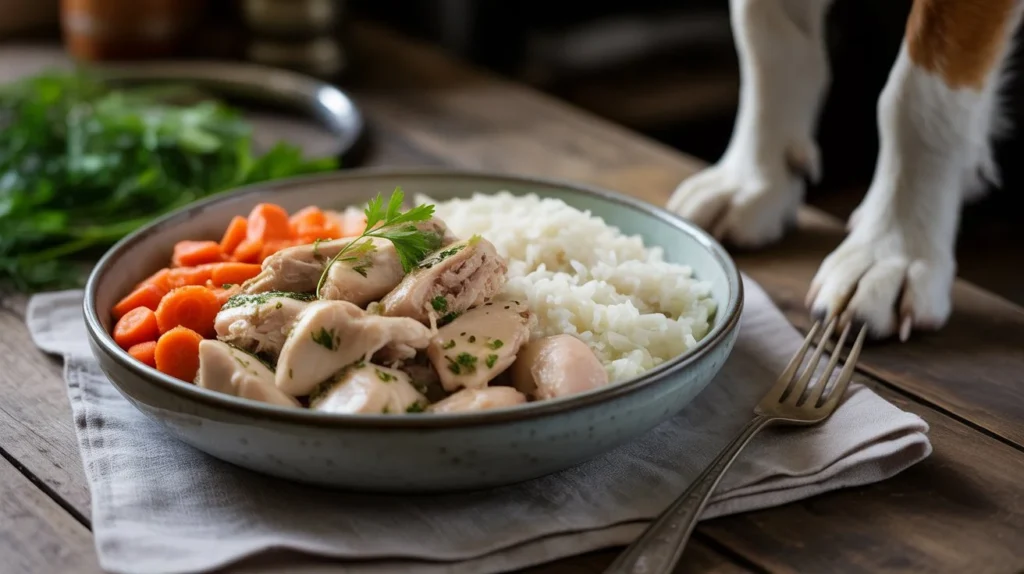
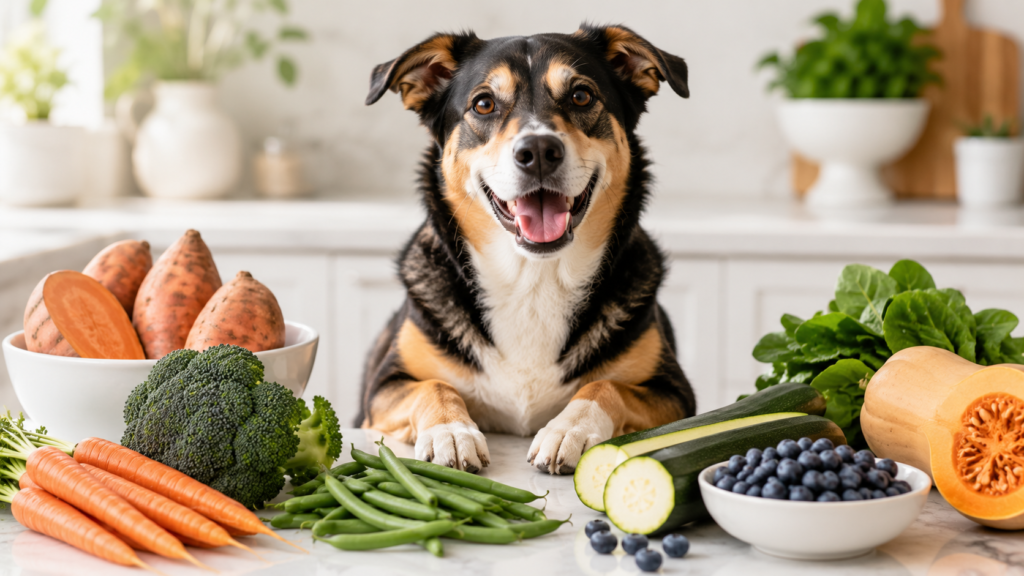
Vegetables can be a fantastic addition to your dog’s diet, offering fiber, vitamins, and antioxidants that support digestion, immunity, and overall health. But not every vegetable is safe — some are downright toxic. This guide covers the best vegetables for dogs, which ones to avoid, and exactly how to prepare them safely.
Why Add Vegetables to Your Dog’s Diet?
Dogs are primarily carnivores, but many vegetables offer real nutritional benefits as part of a balanced diet:
- Fiber supports healthy digestion and stool consistency
- Antioxidants help fight inflammation and support the immune system
- Low-calorie bulk makes vegetables a great option for weight management
- Vitamins and minerals like vitamin A, vitamin K, and potassium support overall wellness
According to the American Kennel Club, vegetables can offer valuable nutrients when added to a dog’s diet in moderation.
Among the best vegetables for dogs, most can be served as an occasional treat or a small addition to homemade meals — never as a replacement for a nutritionally complete diet.
The Best Vegetables for Dogs
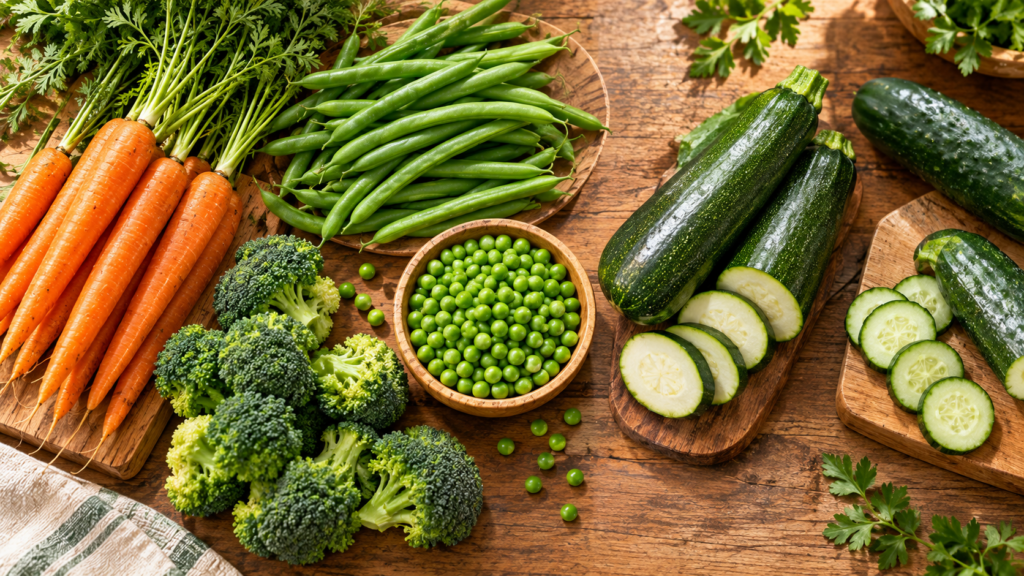
1. Carrots
Low in calories and high in beta-carotene, carrots are one of the best vegetables for dogs and double as a natural way to help clean teeth when served raw and crunchy.
2. Green Beans
A favorite among vets for weight management, green beans are low-calorie, high in fiber, and safe served steamed, raw, or frozen.
3. Pumpkin
Plain, unsweetened pumpkin (not pie filling) is excellent for digestive health and commonly recommended by vets to firm up loose stool.
4. Sweet Potato
Rich in fiber and vitamin A, sweet potato is easily digestible when cooked and a common base ingredient in homemade dog food recipes.
5. Broccoli
Safe in small amounts, broccoli offers vitamin C and fiber. Serve it steamed and in moderation, as large quantities can cause gas or mild stomach upset.
6. Spinach
Packed with iron and antioxidants, spinach is safe in small amounts, though dogs with kidney issues should avoid it due to its oxalate content.
7. Zucchini
Low-calorie and easy to digest, zucchini is a gentle, hydrating vegetable option, especially in warmer months.
8. Peas
A good source of protein and fiber, peas are safe fresh, frozen, or steamed — just avoid canned peas due to added sodium.
9. Cucumber
Extremely low-calorie and hydrating, cucumber is a great snack option for dogs that need to watch their weight.
10. Brussels Sprouts
Rich in vitamins K and C, Brussels sprouts are safe in small portions, though too much can cause gas due to their fiber content.
Vegetables That Are Toxic to Dogs
Not every vegetable is safe. Some are genuinely dangerous and should never be fed to dogs, even in small amounts:
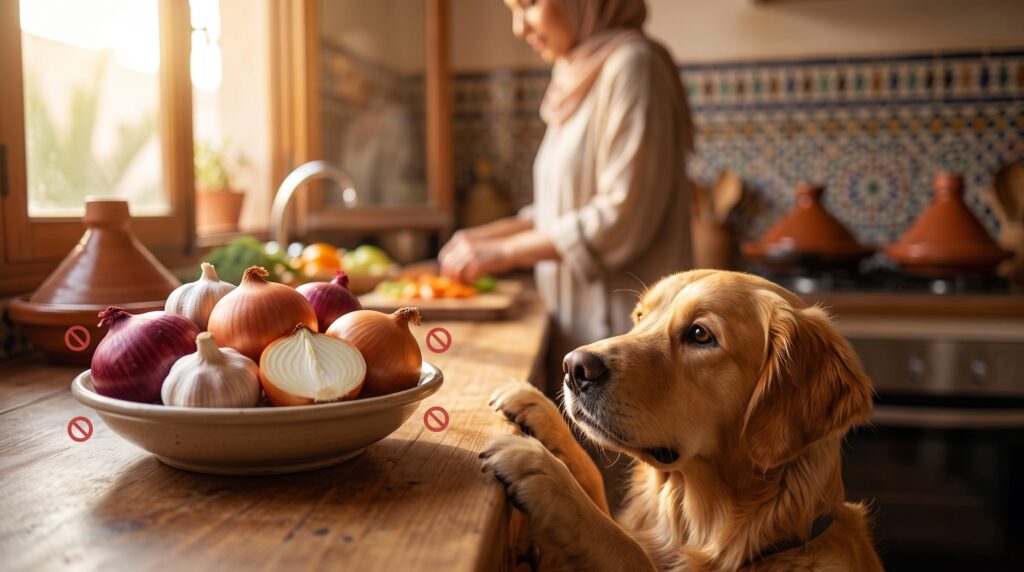
- Onions and Garlic — damage red blood cells and can cause a dangerous form of anemia
- Leeks and Chives — part of the same toxic family as onions
- Wild Mushrooms — many varieties are highly toxic to dogs
- Rhubarb Leaves — contain oxalates that can cause kidney damage
- Tomato Leaves and Stems — mildly toxic (ripe tomato flesh is generally safe in small amounts)
- Raw Potatoes and Green Potato Skin — contain solanine, which is toxic, especially in unripe or green potatoes
If your dog accidentally eats any of these, contact your veterinarian or an animal poison control hotline immediately.
How to Serve Vegetables Safely
Following a few simple guidelines ensures vegetables benefit your dog rather than cause problems:
- Cook or steam harder vegetables (like sweet potato and broccoli) to make them easier to digest.
- Avoid seasoning — no salt, garlic, onion powder, or butter.
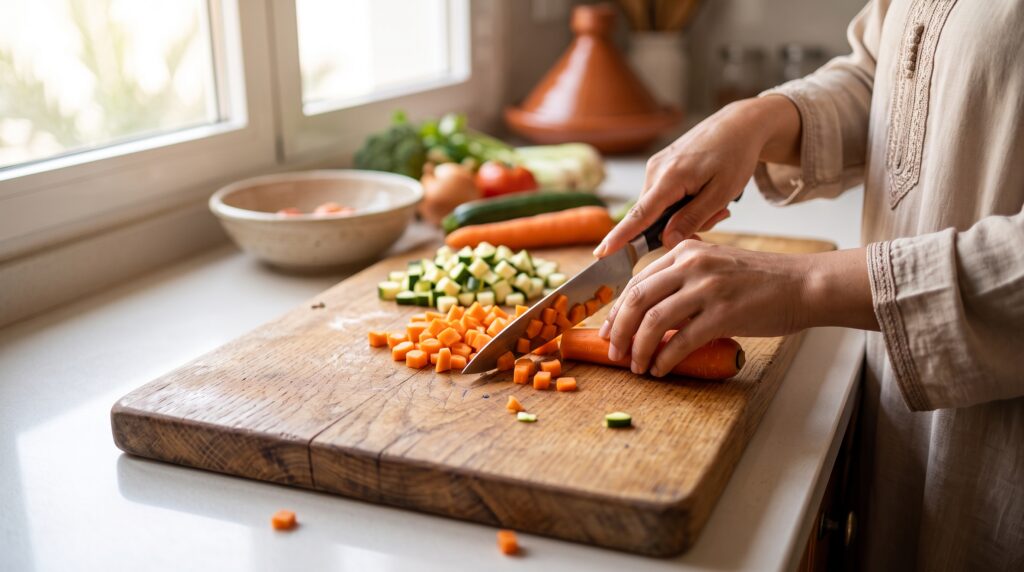
- Chop into small, manageable pieces to prevent choking, especially for small dogs.
- Introduce new vegetables gradually, one at a time, to watch for any digestive reaction.
- Keep portions small — vegetables should make up no more than 10% of your dog’s overall daily diet.
Can Dogs Eat Raw Vegetables?
Many of the best vegetables for dogs can be served raw, including carrots, cucumber, and green beans. However, raw broccoli, Brussels sprouts, and sweet potato are harder to digest raw and are better steamed or cooked. Always chop raw vegetables into appropriately sized pieces to prevent choking.
Vegetables for Dogs with Specific Health Needs
- Weight management: green beans, cucumber, zucchini (low-calorie, high-fiber options)
- Digestive issues: plain pumpkin, sweet potato (gentle on the stomach)
- Senior dogs: steamed carrots and pumpkin (easy to chew and digest)
- Diabetic dogs: leafy greens and green beans (lower glycemic impact) — always consult your vet for a diabetic-specific diet
Frequently Asked Questions
How many vegetables can I give my dog per day? Vegetables should make up no more than 10% of your dog’s total daily diet. For most dogs, a few tablespoons to a quarter cup, depending on size, is a safe daily amount.
Can dogs eat vegetables every day? Yes, in moderation. Rotating a few safe vegetables into your dog’s meals or as treats is generally fine and adds nutritional variety.
Are frozen vegetables safe for dogs? Yes, plain frozen vegetables without added salt or seasoning are safe and can even serve as a cooling treat in warm weather.
What vegetables should I avoid completely? Onions, garlic, leeks, chives, wild mushrooms, rhubarb leaves, and raw or green potatoes should always be avoided.
Final Thoughts
Adding the best vegetables for dogs to your pet’s diet is a simple way to boost their nutrition, support digestion, and offer a low-calorie treat alternative. Just remember to avoid toxic vegetables, introduce new ones gradually, and always prepare them plain and appropriately sized for your dog.
Looking for more ways to incorporate vegetables into your dog’s meals? Check out our homemade dog food recipes for complete, vet-informed meal ideas.